
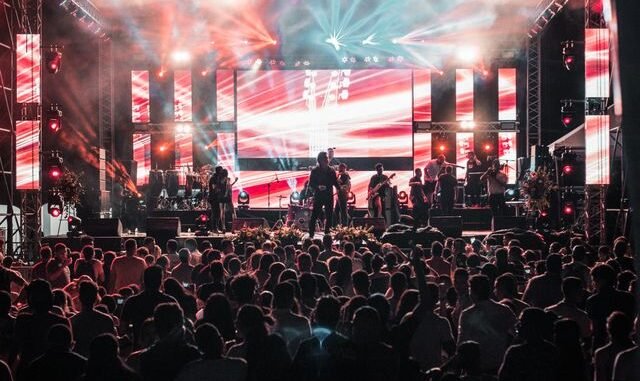
India’s live events business is entering a new growth phase as consumers spend more on concerts, festivals and exclusive entertainment experiences. Rising demand for VIP hospitality, luxury event packages and live entertainment is opening fresh revenue opportunities for event organisers, travel companies, hotels, brands and startups.
India’s live entertainment industry is rapidly moving beyond ticket sales. Concerts, music festivals, comedy shows and cultural events are becoming major commercial opportunities, attracting not only audiences but also investments from businesses across hospitality, tourism, technology and lifestyle sectors. As consumers increasingly value memorable experiences, event organisers are finding new ways to turn entertainment into a profitable business.
The organised live events and entertainment market in India is estimated at around ₹14,500 crore and is projected to reach ₹19,600 crore by 2028. This growth reflects a changing consumer mindset, rising spending on leisure and increasing demand for premium entertainment. From large stadium concerts to exclusive private enclosures, the live events business in India is developing into a wider ecosystem with multiple sources of revenue.
For businesses, the opportunity extends beyond organising performances. Premium ticketing, luxury hospitality, travel packages, brand sponsorships, digital ticketing and event-related services are creating new ways to earn revenue. The growing market is also encouraging companies to rethink how they engage customers through live experiences.
Changing Consumer Preferences Are Driving Market Growth
Indian consumers are increasingly willing to spend on experiences that offer entertainment, social interaction and lasting memories. Concerts, music festivals, sporting events and creator-led programmes are attracting audiences looking for something beyond conventional entertainment.
Research by EY-Parthenon and BookMyShow indicates that 78% of Indian consumers prefer spending money on live experiences rather than physical products. This shift is encouraging organisers to introduce new event formats and improve the overall experience for attendees.
The growing popularity of live events also provides businesses with an opportunity to connect with consumers directly. Unlike traditional advertising, events allow brands to interact with audiences, demonstrate products and build stronger customer relationships.
For organisers, understanding what audiences are willing to pay for is becoming essential. Better venue facilities, convenient entry, quality production and engaging activities can improve customer satisfaction and encourage repeat attendance.
Premium Experiences Are Creating New Revenue Streams
One of the most significant developments in the live events business is the growing demand for premium and VVIP experiences. While general admission remains important for reaching larger audiences, some customers are willing to pay more for privacy, comfort and personalised services.
At major concerts and festivals, premium packages may include dedicated entry gates, private viewing decks, exclusive lounges, premium food and beverages, reserved seating and personalised guest assistance.
This growing demand is creating opportunities for specialised hospitality providers and event management companies. Businesses can develop customised packages for corporate guests, high-net-worth individuals and customers seeking a more comfortable event experience.
The commercial opportunity lies in offering services that justify the higher ticket price. Premium customers expect convenience, quality facilities and professional service throughout the event. Organisers that deliver consistently can build customer loyalty and generate additional revenue beyond standard ticket sales.
Concert Tourism Is Benefiting Hotels and Travel Businesses
Large concerts are increasingly influencing travel decisions. Fans are willing to travel from one city to another, and sometimes across international borders, to attend performances by their favourite artists.
This trend is strengthening the connection between live entertainment and tourism. Major events can increase demand for flights, hotel rooms, restaurants, local transport and other visitor services.
Coldplay’s concerts in Ahmedabad demonstrated how international music events can attract visitors from different parts of India and generate economic activity beyond the venue itself.
Travel companies and hospitality providers can benefit by offering concert-focused packages that combine accommodation, transport, event access and local experiences. Hotels can introduce special event-season packages, while restaurants and local businesses can attract visitors through targeted promotions.
For destinations, hosting major events can support tourism visibility and encourage visitors to explore local attractions. However, transport arrangements, accommodation capacity and crowd management need careful planning to make these events successful.
Tier-2 and Tier-3 Cities Offer Fresh Business Opportunities
The expansion of live entertainment beyond metropolitan cities is creating another growth opportunity. Audiences in tier-2 and tier-3 cities are showing increasing interest in concerts, regional performances, cultural festivals and creator-led events.
Cities such as Visakhapatnam, Vadodara and Shillong are gaining attention as organisers explore new locations and regional audiences.
This expansion can help event companies reach customers who may not regularly travel to larger cities for entertainment. It also creates opportunities for local hotels, restaurants, transport operators, production agencies and small vendors.
Regional events can generate employment and support local businesses through demand for temporary staff, technical services, catering, logistics and venue operations.
For organisers, entering smaller markets requires a clear understanding of local preferences, ticket affordability, venue facilities and audience demand. Events designed around regional music, culture and entertainment can help businesses build stronger connections with local communities.
Brand Sponsorships Are Strengthening Event Revenue
Ticket sales are no longer the only major source of income for event organisers. Brand sponsorships and commercial partnerships are becoming an important part of the live events business model.
Companies across FMCG, fintech, automobiles, fashion, lifestyle and consumer technology are increasingly using live events to reach targeted audiences.
Concerts and festivals provide brands with opportunities to create interactive experiences through product demonstrations, sampling counters, branded zones, digital payment facilities and exclusive hospitality areas.
For example, a beverage brand can create a dedicated refreshment zone, while a financial services company can introduce event-related payment benefits. Lifestyle brands can use premium lounges to connect with customers who have specific purchasing interests.
These partnerships can provide organisers with additional funding for event production and marketing. At the same time, brands gain visibility and direct customer engagement.
However, sponsorships are most effective when the event audience matches the brand’s target market. Organisers and sponsors increasingly need to measure engagement, product trials, customer leads and other business outcomes rather than focusing only on visibility.
Technology Is Making Event Management More Efficient
Technology is becoming an important part of modern event planning and operations. Online ticketing, digital payments, mobile applications and customer data platforms are helping organisers manage events more efficiently.
Digital ticketing can simplify entry and reduce manual processes, while event applications can provide schedules, venue information and real-time updates. Customer data can also help organisers understand ticket-buying patterns, identify popular event categories and plan future programmes.
Technology can support crowd management, security coordination and communication with attendees. These improvements are particularly important for large concerts and festivals, where poor coordination can affect both customer experience and business performance.
For startups, this creates opportunities to develop ticketing platforms, event management software, digital marketing solutions and crowd-management systems.
Business Opportunities for Startups and Small Companies
The growth of the live events industry is creating opportunities for businesses that may not have the resources to organise large concerts themselves. Smaller companies can participate by providing specialised services to event organisers, venues and hospitality providers.
Some promising business opportunities include:
- Event management services: Planning and coordinating concerts, festivals, corporate events and cultural programmes.
- Premium event hospitality: Providing VIP lounges, private enclosures, catering and personalised guest services.
- Travel and accommodation packages: Offering concert travel arrangements, hotel bookings and local transportation.
- Event technology: Developing digital ticketing, entry management, event applications and crowd-monitoring solutions.
- Food and beverage services: Managing food stalls, catering operations and premium dining facilities.
- Creative and marketing services: Providing event photography, video production, social media campaigns, influencer marketing and promotional content.
Businesses can start by focusing on one service category and building relationships with established event organisers. Reliable delivery, competitive pricing and strong coordination can help smaller companies secure repeat contracts.
Costs and Challenges Can Affect Profitability
Despite the growth potential, the live events business involves considerable financial and operational risks. Venue rentals, artist fees, stage production, sound and lighting equipment, permissions, security, insurance and marketing can increase the cost of organising an event.
Ticket sales may also fall below expectations, particularly when events face strong competition or audiences are unwilling to pay the proposed prices. Weather disruptions, technical failures and last-minute cancellations can further affect revenue.
Premium events bring additional expectations. Customers paying higher prices demand better facilities, personalised attention and smooth arrangements. Any gap between the promised experience and actual delivery can damage a brand’s reputation.
Businesses entering this sector should carefully estimate costs, assess audience demand, work with experienced service providers and maintain contingency plans. A well-planned event with realistic pricing and multiple revenue sources has a better chance of achieving sustainable returns.
Live Events Are Becoming a Bigger Business Opportunity in India
The live events business in India is evolving into a wider commercial sector where entertainment, tourism, hospitality, technology and marketing increasingly work together. Rising consumer interest, premium experiences, regional expansion and brand partnerships are creating opportunities for established companies as well as emerging businesses.
The future growth of this industry will depend not simply on attracting larger crowds but on delivering experiences that customers consider worth paying for. Organisers that focus on quality, safety, convenience and professional execution can build stronger customer relationships and more sustainable revenue models.
For businesses, live entertainment is no longer just about hosting a concert or selling tickets. It is becoming a platform for premium services, tourism growth, brand engagement and new commercial opportunities across India.
