
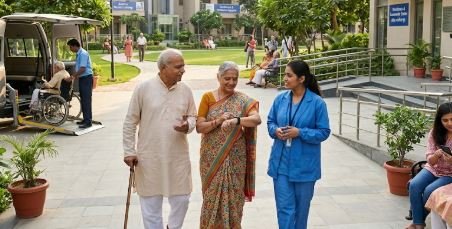
India’s ageing population is gradually changing the country’s healthcare, housing and consumer markets. As people live longer, the need for better healthcare, comfortable living arrangements and reliable support during retirement is becoming more important. What was once largely managed within families is now creating demand for organised services and specialised businesses.
India’s population aged 60 and above is projected to reach approximately 347 million by 2050. This demographic shift is bringing greater attention to the silver economy, a growing market built around the needs, preferences and spending requirements of older adults.
The opportunity extends well beyond hospitals and nursing facilities. Senior-friendly housing, home healthcare, professional caregiving, mobility products, financial planning and technology-based monitoring are emerging as important business segments. For entrepreneurs, investors and established companies, the changing needs of older Indians could create a significant market over the coming decades.
Senior Living Is Opening a New Real Estate Market
Finding suitable housing for elderly family members is becoming an important concern for many Indian households. Traditional family arrangements are changing as younger generations move to different cities or countries for employment. As a result, some older people are looking for residential communities that offer independence along with access to assistance when required.
This is creating opportunities for organised senior living developments.
Unlike conventional residential projects, senior-friendly housing requires thoughtful planning. Easy access to lifts, wheelchair-friendly spaces, emergency assistance, housekeeping, healthcare facilities and common areas can make everyday living more comfortable for residents.
Real estate developers can explore purpose-built retirement communities, assisted-living apartments and integrated residential projects that combine accommodation with support services.
The market also offers opportunities for smaller businesses providing property management, maintenance, home modifications and specialised residential services.
However, affordability will remain important. Developers that offer different housing options for middle-income and higher-income households could reach a wider customer base.
Home Healthcare and Caregiving Services Are Gaining Importance
Many older people prefer to remain in their own homes rather than move into residential care facilities. At the same time, family members may struggle to provide regular assistance because of work commitments, distance and other responsibilities.
This is increasing the need for professional home-based care.
Services such as nursing assistance, physiotherapy, medication management, routine health monitoring and trained attendants are becoming relevant to families looking for dependable support.
For healthcare companies and entrepreneurs, home healthcare offers opportunities to develop organised service networks that connect families with qualified professionals.
Businesses can also introduce flexible service packages, ranging from occasional visits to long-term caregiving arrangements. Reliable staff, transparent pricing and proper background verification will be important factors in building customer confidence.
The opportunity is particularly relevant in urban areas where families often need professional assistance to support ageing parents while managing their own careers and responsibilities.
Age-Tech Is Bringing Technology Closer to Elderly Care
Technology is creating another promising segment within India’s senior care market. Simple digital solutions can help older people remain connected with family members and receive assistance when needed.
Wearable devices, emergency alert systems, remote health monitoring and medication reminders are becoming useful tools for families managing elderly care.
There is also scope for technology companies to develop voice-based applications in Indian languages. Such solutions could make digital services easier to use for older people who are less comfortable with complicated smartphone interfaces.
For startups, opportunities include developing emergency response platforms, health-monitoring devices, senior-friendly applications and remote assistance services.
The commercial potential lies in making these products affordable and easy to operate. Technology designed specifically around the everyday requirements of older users could find demand among families, healthcare providers and senior living communities.
Companionship and Social Activities Are Becoming Essential Services
Senior care is not limited to medical assistance. Social interaction, emotional support and opportunities to remain active are equally important aspects of ageing.
Older people living alone may experience isolation, particularly when their children live elsewhere. Regular social interaction can help them remain connected to their communities and maintain a more active lifestyle.
This is creating opportunities for businesses and social enterprises offering companionship services, organised activities, hobby groups, assisted outings and community programmes.
Entrepreneurs can develop membership-based services that connect seniors with trained companions or organise activities based on their interests.
Senior clubs, recreational centres and community engagement programmes could also become part of the wider silver economy.
Businesses that understand the importance of dignity, independence and personal connection may find opportunities to build long-term relationships with older customers and their families.
Retirement Planning and Financial Services Could See Greater Demand
As India’s senior population grows, financial security during retirement will become an increasingly important concern.
Older people often need financial products that address healthcare expenses, regular income requirements, savings protection and long-term care costs. Their financial needs can also differ significantly from those of younger working professionals.
This creates opportunities for banks, insurance companies, financial advisers and specialised service providers.
Health insurance products designed around senior citizens, retirement income planning and financial advisory services could become more relevant as households prepare for longer retirement periods.
Reverse mortgage products may also offer an alternative for eligible homeowners who want to unlock some of the value of their residential property while continuing to live in it.
The expansion of healthcare coverage for senior citizens under Ayushman Bharat PM-JAY for people aged 70 and above has also increased attention on healthcare access and financing.
For financial institutions, the opportunity lies in developing transparent products that address the practical needs of older customers rather than relying on conventional financial offerings.
Mobility Products and Senior-Friendly Home Solutions Offer Further Growth
Everyday activities can become more difficult with age, creating demand for products and services that improve comfort, accessibility and independence.
Mobility aids, walking assistance devices, ergonomic furniture, specialised footwear, bathroom safety fittings and home accessibility modifications are becoming important areas of consumer demand.
Businesses in healthcare equipment, consumer products and home improvement can explore this segment by developing practical solutions suited to Indian households.
For example, installing grab bars, improving bathroom access, reducing floor-level obstacles and creating safer movement spaces can make homes more suitable for elderly residents.
There is also scope for specialised retail stores and online platforms that bring senior-friendly products together in one place.
Affordable pricing, product reliability and after-sales support will be important in attracting customers.
The Silver Economy Is Creating Opportunities for Small Businesses
One of the important features of India’s growing senior care market is that it does not require every business to build large hospitals or residential facilities.
Small and medium-sized enterprises can participate through specialised services such as home maintenance, meal delivery, transportation, medical equipment rentals, physiotherapy support and assisted shopping.
Startups can also develop technology platforms that connect families with verified caregivers, healthcare professionals and local service providers.
This creates opportunities for businesses to build focused services around specific customer requirements instead of competing across the entire senior care market.
Partnerships between hospitals, insurance providers, real estate developers and technology companies could further strengthen the ecosystem.
At the same time, the sector will need trained caregivers, qualified healthcare professionals and service standards that families can trust.
A Long-Term Growth Market for India’s Businesses
India’s ageing population is creating a shift in consumer demand that businesses can no longer afford to overlook. The need for senior-friendly housing, healthcare assistance, financial security and accessible technology is likely to become more important as the number of older citizens increases.
For entrepreneurs and investors, the silver economy offers opportunities across real estate, healthcare, financial services, consumer products and digital technology. It also creates scope for smaller businesses to develop affordable services for families seeking reliable elderly care.
The success of this market will depend on understanding that older consumers have different needs, preferences and financial circumstances. Services must be accessible, dependable and designed to preserve independence and dignity.
As India’s demographic profile changes, the silver economy could become an important source of business growth, employment and innovation. Companies that begin building solutions around the needs of older citizens today may be better positioned to serve one of the country’s most significant emerging consumer markets.
