
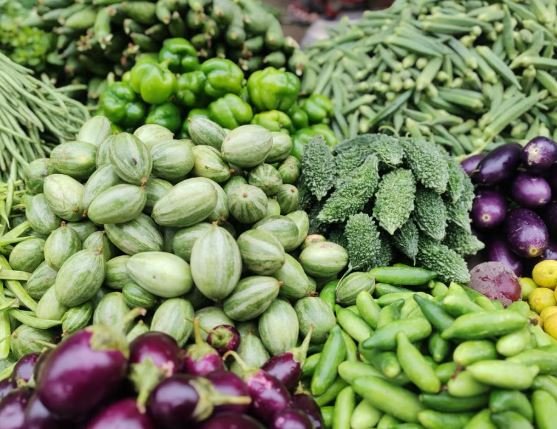
India has a rich tradition of growing and consuming a wide variety of indigenous vegetables. Many of these crops, once commonly found in village farms, home gardens and local markets, have gradually received less attention as farming practices and food preferences have changed. Today, these forgotten vegetables are attracting renewed interest because of their potential to support farmers, improve food diversity and make Indian agriculture more resilient.
Crops such as minor yams, sweet potatoes, pumpkins, spine gourds, traditional brinjals and local leafy greens offer valuable opportunities for agricultural diversification. They can help farmers explore different cultivation options, make better use of local resources and connect with growing demand for traditional and nutritious foods.
As India works towards a more sustainable agricultural future, bringing these vegetables back into cultivation could benefit both farming communities and consumers.
Traditional Vegetables Offer New Possibilities for Farmers
Agriculture in India is closely connected to local climate, soil conditions and traditional knowledge. Over generations, farmers have developed experience in growing crops suited to their regions. Many indigenous vegetables are part of this agricultural heritage.
These crops offer farmers an opportunity to diversify beyond widely cultivated commercial vegetables. Minor yams, sweet potatoes, pumpkins and local gourds can be grown in different farming systems, depending on regional conditions and available resources.
Crop diversification can help farmers avoid depending entirely on one crop for their income. When different vegetables are cultivated during suitable seasons, farmers can spread production across the year and explore additional sources of earnings.
Traditional vegetables can also be cultivated in kitchen gardens, small farms and mixed cropping systems. This makes them relevant not only for large agricultural producers but also for small and marginal farmers.
Climate-Resilient Crops Can Support Sustainable Farming
Changing weather patterns have made climate resilience an important part of agricultural planning. Irregular rainfall, rising temperatures and water shortages can affect crop production and increase uncertainty for farmers.
Some indigenous vegetables are well adapted to local growing conditions and can perform under circumstances where certain commercial crops may face difficulties. Depending on the variety, some require relatively limited water or fewer external inputs.
Sweet potatoes, minor yams, pumpkins and locally adapted gourds can offer additional cultivation choices in suitable regions. Their inclusion in diversified farming systems may help reduce the risks associated with depending on a limited number of crops.
Growing a wider range of vegetables can also help farmers make better use of available land and seasonal conditions. However, selecting the right crop for local soil, rainfall and market demand remains essential for successful cultivation.
Forgotten Vegetables Can Improve Farmers’ Income
The revival of traditional vegetables also presents opportunities to strengthen rural incomes. Many consumers continue to value locally grown vegetables because of their taste, traditional uses and nutritional qualities.
As awareness of regional food varieties increases, farmers may find new opportunities in local markets, urban retail outlets and direct-to-consumer sales.
Vegetables such as spine gourd, traditional brinjal varieties, cowpea, moringa and different leafy greens can add variety to agricultural production. Farmers can explore these crops according to local demand, cultivation costs and expected returns.
Small-scale growers can also benefit from home gardens and mixed vegetable cultivation. These activities can provide fresh produce for household consumption while creating opportunities to sell surplus vegetables.
Better market connections, local food festivals and awareness programmes can further help farmers reach consumers who are interested in traditional foods.
Crop Diversity Can Support Soil Health
Agricultural diversity is important for maintaining productive farming systems. Repeated cultivation of the same crop can increase pressure on soil resources and create favourable conditions for certain pests and diseases.
Crop rotation and mixed cultivation offer ways to manage these challenges. Indigenous vegetables can become part of diversified farming plans, helping farmers make use of different growing seasons and field conditions.
Legumes such as cowpea are particularly useful because they can contribute to soil fertility through biological nitrogen fixation. Other vegetables can be included in crop rotations depending on their growing requirements and local agricultural practices.
A diverse farm can also support different organisms and contribute to a healthier agricultural ecosystem. By combining traditional knowledge with improved farming methods, farmers can develop production systems that are better suited to local conditions.
Traditional Vegetables Can Improve Nutrition
The importance of indigenous vegetables extends beyond agricultural production. Many traditional vegetables and leafy greens are valuable sources of vitamins, minerals, dietary fibre and other nutrients.
Water amaranth, red sorrel, Malabar spinach and purslane are examples of leafy vegetables that can add nutritional variety to daily meals. Moringa, sweet potato, cowpea and different types of yam also offer important dietary benefits.
Including a wider range of vegetables in everyday diets can help improve dietary diversity. This is particularly important for rural households, where locally grown produce can contribute to household food security.
Encouraging farmers to grow traditional vegetables can therefore create a useful connection between agriculture, nutrition and public health. More diverse local production can also improve access to fresh vegetables in nearby markets.
Preserving Traditional Seeds and Farming Knowledge
India’s indigenous vegetables represent an important part of its agricultural heritage. Many traditional varieties have been preserved through generations of farming families, with seeds and cultivation practices passed from one generation to another.
Protecting these varieties is important for maintaining agricultural biodiversity. Traditional crops may carry useful characteristics, including adaptation to local environments and tolerance to certain growing conditions. Such qualities can also be valuable for future agricultural research and crop improvement.
Farmers can contribute to conservation by preserving local seeds, exchanging planting material and maintaining traditional varieties in their fields. Agricultural research and extension services can further support these efforts by documenting crop varieties and providing guidance on cultivation.
Keeping traditional farming knowledge alive can also encourage younger generations to take an interest in local agriculture.
Better Markets Can Encourage Cultivation
One of the important steps in reviving forgotten vegetables is creating stronger market opportunities. Farmers are more likely to cultivate a crop when they have access to reliable buyers and reasonable prices.
Traditional vegetables can be promoted through local markets, farmers’ markets, organised retail outlets and direct sales. Better storage, transportation and post-harvest facilities can also help reduce losses and improve the quality of produce reaching consumers.
Food processing offers another opportunity. Selected vegetables can be used in dried products, pickles, traditional foods and other value-added products. Such activities may create additional income opportunities for farmers and small rural enterprises.
Training in packaging, grading, storage and marketing can help growers improve the commercial value of their produce.
Technology and Research Can Support Traditional Crops
Modern agricultural research can play an important role in bringing indigenous vegetables into wider cultivation. Improved seed conservation, crop documentation, better cultivation practices and suitable pest-management methods can help farmers increase productivity.
Agricultural universities and research institutions can study the growing requirements of traditional varieties and identify suitable regions for their cultivation. Farmers can benefit from practical guidance on seed selection, irrigation, soil management and harvesting.
Digital platforms can also help connect growers with buyers, provide information about cultivation methods and increase awareness of traditional vegetables among consumers.
Combining scientific research with farmers’ traditional knowledge can create a stronger foundation for the revival of these crops.
A Promising Opportunity for Indian Agriculture
Forgotten Indian vegetables offer an opportunity to make agriculture more diverse, sustainable and connected to local food traditions. Their cultivation can support farmers through additional crop choices, create new market possibilities and contribute to better household nutrition.
As climate conditions change and the demand for sustainable food production grows, indigenous crops deserve a stronger place in India’s agricultural planning. Supporting their cultivation through improved seeds, research, market access and farmer awareness can help unlock their potential.
Reviving traditional vegetables is not simply about returning to old farming practices. It is about combining the strengths of India’s agricultural heritage with modern knowledge and new market opportunities.
With greater attention from farmers, consumers and the agricultural sector, these forgotten crops can become an important part of a stronger and more resilient future for Indian agriculture.
