
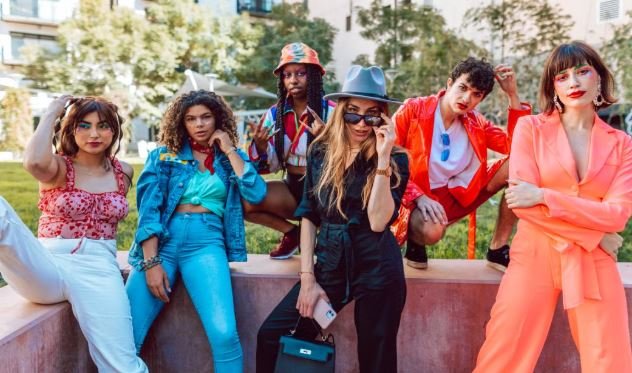
India’s fashion industry is witnessing a significant shift as Generation Z reshapes the way people dress, shop and express themselves. For today’s young consumers, fashion is no longer just about wearing attractive clothes or following popular trends. It has become a powerful form of self-expression, reflecting personal identity, confidence, creativity and lifestyle choices.
Born between the late 1990s and early 2010s, Gen Z has grown up in a digitally connected world. Smartphones, social media and online shopping have given this generation easy access to global fashion trends and emerging brands. From oversized T-shirts and baggy jeans to minimalist outfits, streetwear and contemporary ethnic wear, their preferences are influencing clothing collections, marketing strategies and retail experiences across India.
As young consumers gain greater influence in the marketplace, fashion brands are increasingly recognising the importance of understanding what this generation wants.
Gen Z Is Redefining Fashion Trends in India
India’s large young population makes Generation Z an important consumer group for the fashion industry. Its influence extends across everyday clothing, footwear, accessories, casual wear and premium fashion.
Unlike earlier generations, many young shoppers no longer view fashionable clothing as something reserved for festivals, celebrations or special occasions. They want outfits that suit different parts of their daily lives, including college, work, travel, social gatherings and casual outings.
This changing lifestyle has increased demand for clothing that combines comfort, quality and contemporary design. Relaxed fits, versatile outfits and easy-to-style garments are becoming important elements of everyday wardrobes.
Gen Z consumers are also more willing to experiment with their appearance. They combine traditional Indian clothing with modern silhouettes, international trends and creative accessories. This blend of influences is giving Indian fashion a more diverse and individual character.
Social Media Is Driving India’s Fashion Revolution
Social media has become one of the most influential forces shaping fashion choices among young Indians. Platforms such as Instagram, YouTube and Pinterest allow consumers to discover emerging styles, follow fashion creators and explore brands from different parts of the world.
Trends that once took months to reach Indian markets can now become popular within days. A viral styling video, celebrity appearance or fashion creator’s post can inspire thousands of young shoppers to experiment with similar outfits.
Digital influencers have also changed how fashion brands communicate with customers. Companies are increasingly using creator partnerships, styling videos, product demonstrations and customer-generated content instead of depending entirely on conventional advertising.
At the same time, Gen Z shoppers are becoming more informed about their purchases. They often compare prices, read customer reviews, watch product videos and explore different brands before placing an order.
For fashion companies, social media is therefore not just a promotional platform. It is an important space for understanding consumer preferences and building relationships with younger audiences.
Comfort and Everyday Wear Are Becoming Fashion Priorities
One of the most noticeable changes in Gen Z fashion preferences is the growing importance of comfort. Young consumers want clothes that look stylish without restricting movement or making everyday activities difficult.
Popular choices include:
- Baggy and wide-leg jeans
- Oversized T-shirts and shirts
- Cargo trousers
- Relaxed-fit clothing
- Casual co-ord sets
- Minimalist streetwear
- Comfortable sneakers
These styles reflect a shift towards practical fashion that can be worn across different settings. Relaxed clothing is no longer limited to casual occasions; it has become an important part of contemporary everyday style.
This trend is encouraging fashion brands to focus on comfortable fabrics, versatile designs and better-fitting garments. The challenge is to create collections that combine visual appeal with functionality.
Denim Fashion Is Moving Beyond Skinny Jeans
Denim continues to hold a strong position in young consumers’ wardrobes, but the way it is designed and styled is evolving.
Skinny jeans, which once dominated everyday fashion, now share popularity with baggy jeans, wide-leg denim, straight-fit trousers and vintage-inspired designs.
Young shoppers are exploring different cuts, washes and silhouettes to create outfits that reflect their individual preferences. Denim jackets, oversized shirts and relaxed jeans are also becoming popular choices for casual and streetwear-inspired looks.
This shift is encouraging fashion companies to introduce more variety in their denim collections. Instead of relying on a single popular fit, brands are experimenting with different styles to meet the needs of diverse consumers.
Individuality Is Becoming More Important Than Following Trends
For Gen Z, fashion is increasingly about personal identity rather than simply following what is popular. Many young consumers prefer developing their own style instead of copying every new trend.
Some favour minimalist outfits and neutral colours, while others experiment with bold shades, graphic prints, layered clothing and distinctive accessories. Traditional Indian garments are also being combined with modern footwear and contemporary styling.
This growing interest in individuality is creating opportunities for designers and brands to develop more varied and creative collections.
Clothing has become a way for young people to communicate their interests, personality and mood. As a result, fashion brands need to offer choices that allow consumers to express themselves rather than simply reproduce seasonal trends.
Quality and Sustainable Fashion Are Gaining Attention
While affordable clothing remains important, Gen Z consumers are also showing interest in fabric quality, durability and responsible fashion practices.
Many shoppers look for well-made garments that offer comfort and can be worn on multiple occasions. The idea of investing in fewer, more versatile pieces is also gaining attention among some younger consumers.
Sustainability is becoming another part of the fashion conversation. Second-hand clothing, thrift shopping, reusable fashion and greater transparency about production practices are attracting interest.
However, price remains an important factor in purchasing decisions. Fashion brands that combine reasonable pricing with good quality and responsible production may find opportunities to build stronger relationships with younger shoppers.
Online Shopping Is Reshaping Fashion Retail
Digital platforms have become an important part of India’s fashion retail landscape. Young consumers are increasingly comfortable discovering new labels, comparing products and buying clothes through websites and mobile applications.
However, they also expect a convenient and reliable shopping experience. Clear product photographs, accurate size charts, fabric information, customer reviews and transparent pricing can influence their decisions.
Delivery services, flexible payment options and straightforward return policies are equally important. When customers cannot physically examine a garment before purchasing it, detailed product information and reliable service help build confidence.
Fashion companies are also using digital platforms to understand changing preferences and introduce products that reflect customer demand. A strong online presence is therefore becoming essential for brands seeking to connect with younger consumers.
Traditional Indian Fashion Is Finding a Modern Identity
One of the most interesting developments in Gen Z fashion is the combination of traditional Indian clothing with contemporary styles.
Kurtas are being paired with jeans and sneakers, ethnic jackets are being worn with casual outfits, and traditional prints are appearing in modern silhouettes. These combinations allow young consumers to incorporate cultural elements into their everyday wardrobes.
This trend is creating opportunities for Indian designers and clothing brands to reinterpret traditional garments for modern lifestyles.
It also highlights an important aspect of Gen Z’s fashion preferences: global influences do not necessarily mean moving away from Indian heritage. Instead, young consumers are finding creative ways to combine cultural identity with contemporary fashion.
How Fashion Brands Can Adapt to Gen Z Consumers
The changing preferences of Generation Z are encouraging fashion companies to rethink their product development, marketing and retail strategies.
Young consumers expect more than attractive designs. They increasingly value comfort, quality, affordability, authenticity and convenient shopping experiences.
Brands need to pay attention to these expectations while developing collections that reflect changing lifestyles. Social media can help companies build visibility, but long-term customer trust depends on product quality, transparent communication and reliable service.
Understanding customer feedback, offering diverse styles and maintaining a consistent digital presence can help brands remain relevant in an increasingly competitive market.
Companies that treat young consumers as active participants in fashion trends, rather than simply as buyers, may be better positioned to develop lasting customer relationships.
The Future of India’s Fashion Industry
Generation Z is doing more than adopting new fashion trends; it is helping shape the future direction of India’s fashion industry. Its interest in relaxed clothing, streetwear, creative styling, digital shopping, quality and personal expression is influencing how brands design, market and sell their products.
As this generation gains greater purchasing power, its influence on fashion retail is expected to become even more significant.
For Indian fashion companies, the opportunity lies in responding to this changing consumer mindset with products that combine comfort, quality, affordability and individuality. Brands that understand young shoppers and continue to innovate will be better prepared for the next phase of the country’s fashion market.
Ultimately, Gen Z is making Indian fashion more diverse, accessible and closely connected to everyday lifestyles. Its influence is not just changing what young people wear; it is reshaping how fashion is created, experienced and understood across India.
