
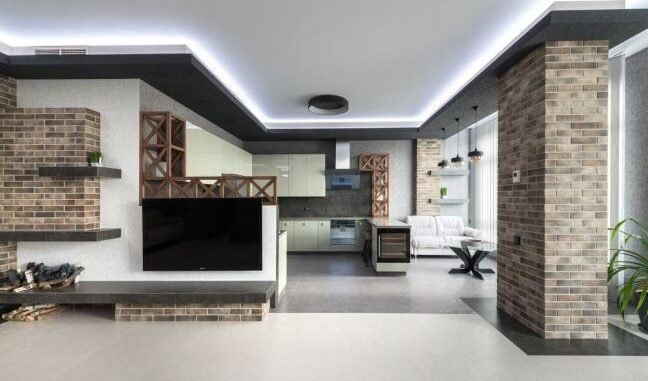
A home is no longer just a place to live. For today’s consumers, it is increasingly a space that needs to adapt to their lifestyle, support their well-being and make everyday routines more convenient. From controlling lights and security systems through smartphones to creating flexible workspaces and energy-efficient interiors, the idea of a modern home is changing. This shift in consumer expectations is gradually transforming the home improvement industry, pushing businesses beyond conventional renovation and interior decoration towards smart technology, sustainable materials and personalised living solutions.
For years, home improvement decisions were largely driven by appearance, comfort and available space. Homeowners invested in furniture, wall finishes, lighting and decorative elements to make their homes more attractive. While these priorities remain important, functionality and technology are now becoming equally significant.
The growing popularity of remote working, increased digital connectivity and changing family needs has encouraged consumers to rethink how their homes should function. People increasingly want spaces that can serve multiple purposes, reduce everyday effort and offer greater control over household activities. For the home improvement industry, this represents a fundamental change in what customers expect from products and services.
Smart Living Is Becoming Part of Everyday Home Design
Smart home technology is gradually moving beyond the category of luxury upgrades. Consumers are showing growing interest in practical solutions such as automated lighting, smart security cameras, video doorbells, connected appliances, motorised curtains and voice-controlled entertainment systems.
These technologies offer convenience by allowing homeowners to manage different household functions remotely or through automated routines. Lighting can be adjusted according to daily schedules, security systems can be monitored while residents are away, and connected appliances can make routine household activities easier.
An important change is that homeowners increasingly want technology to be incorporated into the original design rather than installed as an afterthought. Wiring, device placement, connectivity and automation requirements are being considered during the planning and renovation stages.
This is creating new opportunities for interior designers, electrical contractors, technology providers and home automation specialists to work together.
Modern Homes Must Balance Comfort, Functionality and Flexibility
Changing lifestyles are also influencing the way residential spaces are designed.
The rise of hybrid working has made multifunctional spaces increasingly important, particularly in urban homes where available space is often limited. A living room may need to accommodate family activities as well as a workspace, while a spare bedroom may double as a study or guest room.
As a result, consumers are showing greater interest in modular furniture, foldable desks, convertible sofas, built-in storage and adaptable layouts.
These solutions allow homeowners to make better use of existing space without necessarily undertaking expensive structural renovations.
For businesses, this shift is expanding demand for customised furniture, modular interiors, space-saving products and professional space-planning services. Manufacturers that understand the practical needs of modern households can find opportunities beyond traditional furniture sales.
Wellness and Sustainability Are Influencing Buying Decisions
Another noticeable change in home improvement preferences is the growing importance of health and well-being.
Homeowners are paying greater attention to natural lighting, ventilation, indoor plants, comfortable layouts and materials that contribute to healthier indoor environments. Features such as low-emission paints, natural finishes, air-quality solutions and adaptive lighting are becoming part of wellness-focused residential design.
Sustainability is also influencing purchasing decisions. Energy-efficient lighting, improved insulation, water-saving fixtures and environmentally conscious materials are attracting interest from consumers who want homes that are both comfortable and resource-efficient.
For many households, the attraction is not limited to environmental benefits. Lower electricity consumption, reduced maintenance requirements and long-term savings also make these improvements appealing.
This creates opportunities for manufacturers and suppliers to develop products that combine design, durability, energy efficiency and environmental responsibility.
Traditional Interiors Are Not Disappearing
The growing preference for smart living does not mean that traditional interior design is losing its relevance. In fact, many consumers are looking for ways to combine modern technology with the warmth and character of conventional homes.
Natural wood finishes, textured walls, curved furniture, decorative lighting and layered fabrics continue to influence interior choices. The difference is that these elements are increasingly being combined with discreet technology and functional design.
Smart speakers, integrated lighting, connected mirrors and concealed control systems allow technology to become part of the home without overwhelming its appearance.
For interior designers, the challenge is no longer simply creating attractive spaces. It is about ensuring that technology complements the overall design and improves the way people experience their homes.
Technology Is Changing the Home Renovation Experience
The transformation is also taking place before renovation work begins.
Digital design tools, augmented reality (AR) and virtual reality (VR) are helping customers visualise how proposed changes may look in their homes. They can explore furniture arrangements, colour combinations, lighting concepts and material choices before committing to a project.
This can make discussions between homeowners and designers more productive while helping customers make better-informed decisions.
For home improvement companies, digital visualisation offers an opportunity to improve customer engagement, reduce uncertainty and provide more personalised services.
As competition increases, businesses that combine design expertise with digital planning tools may be better positioned to attract customers seeking a more convenient renovation experience.
A New Business Opportunity for the Home Improvement Industry
The shift towards smart living is creating opportunities across several segments of the home improvement market.
Interior design companies are expanding their services to include technology integration and smart home planning. Furniture manufacturers are investing in modular and multifunctional products, while appliance brands are developing increasingly connected solutions.
Technology companies are finding opportunities in home automation, security, energy management and connected devices. At the same time, renovation contractors are increasingly able to offer smart wiring, automated lighting, insulation improvements and energy-efficient installations as part of wider projects.
The opportunity also extends beyond product sales. Smart home systems often require professional installation, configuration, maintenance and technical support. This creates additional business for specialised service providers.
For retailers, offering integrated solutions rather than selling individual products may become an important way to differentiate themselves. Consumers often prefer a system that works smoothly as a whole instead of purchasing several devices that operate independently.
Affordability and Trust Will Shape the Next Phase
Despite growing interest in smart homes, cost remains a major consideration for many consumers. Installing connected devices, automation systems and specialised equipment can increase the initial cost of renovation.
Compatibility is another challenge. Devices from different manufacturers may not always work together seamlessly, creating frustration for homeowners who expect a unified experience.
Data privacy and cybersecurity are equally important. Connected cameras, speakers, appliances and security systems can process sensitive household information. Consumers need confidence that their devices and personal data are protected.
For businesses, long-term success will depend not only on offering advanced technology but also on making it affordable, reliable and easy to use. Transparent pricing, professional installation and dependable after-sales support will play an important role in building customer confidence.
The Future of Home Improvement Lies in Better Living
The home improvement industry is entering a new phase in which the value of a home is increasingly being measured by how well it supports the people living in it.
Consumers are no longer looking only for attractive interiors or expensive upgrades. They want homes that save time, improve comfort, support changing family needs and make everyday life more convenient. Smart technology, flexible furniture, sustainable materials and wellness-focused design are all becoming part of this changing expectation.
For businesses, the message is clear: the future of home improvement will not be determined simply by how many products they sell or how sophisticated their technology appears. It will depend on how effectively they understand the everyday needs of homeowners and turn those needs into practical solutions.
A beautifully designed home may attract attention, but a home that is comfortable, efficient, adaptable and easy to manage creates lasting value. As consumer preferences continue to evolve, the companies that bring together thoughtful design, reliable technology and genuine customer convenience will be best positioned to shape the next generation of smart living.
