
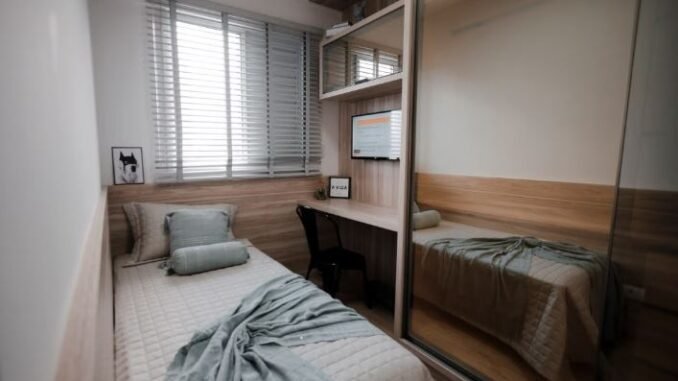
As urban homes become smaller and property prices continue to rise, making the most of available space is becoming a priority for homeowners and renters alike. A compact apartment now needs to do much more than provide a place to sleep and relax. It may also have to accommodate a home office, a dining area, storage, and spaces for everyday activities—all within a limited footprint.
This shift is changing the way people approach home interiors and furniture. Instead of buying separate pieces for every purpose, consumers are increasingly looking for products that combine functionality, flexibility and design. Sofa beds, foldable dining tables, storage-integrated beds and modular shelving are moving beyond niche solutions to become practical choices for modern homes.
For the furniture and home improvement industry, this change represents more than a design trend. It is creating new business opportunities across manufacturing, retail, interior design, hospitality and property development.
Why Compact Living Is Gaining Momentum
One of the biggest factors behind the rise of compact living is urbanisation. As more people move to cities for education and employment, demand for housing in well-connected locations continues to put pressure on available space. Higher property prices and rental costs also encourage many households to choose smaller apartments, studio homes and shared accommodation.
In these settings, every square foot matters. Buyers are not simply looking for furniture that fits into a room; they want products that help them use the room more efficiently. A dining table that folds against the wall, for example, can free up valuable floor space when it is not in use.
Changing work patterns are adding to this demand. With remote and hybrid working becoming part of everyday life for many professionals, homes increasingly need to serve multiple purposes. A corner of the living room may function as a workspace during the day and return to being a family area in the evening. Furniture that can be moved, folded or reconfigured makes these transitions easier.
The growth of rental housing, co-living spaces and serviced apartments is another important driver. Tenants often prefer lightweight, modular and easy-to-assemble furniture that can be transported when they move. Property operators, meanwhile, need durable furnishings that make smaller units comfortable, attractive and practical.
Multifunctional Furniture Is Becoming a Practical Necessity
The growing preference for compact homes is changing what consumers expect from furniture. Traditional products designed for a single purpose may not always be suitable for smaller rooms. Instead, multifunctional furniture is gaining attention because it allows one product to serve several needs.
Convertible furniture is among the most visible examples. Sofa beds can turn living areas into sleeping spaces, while wall-mounted or Murphy beds can be folded away to create additional room during the day. Fold-down dining tables, nesting tables and extendable desks offer similar flexibility.
Storage-integrated furniture is also finding a wider market. Beds with hydraulic lifts or built-in drawers provide space for bedding, clothing and other household items. Storage ottomans, benches with compartments and coffee tables with concealed storage help reduce clutter without adding separate cabinets.
These products appeal to consumers who want organised interiors but do not want to compromise on appearance. The emphasis is increasingly on making storage part of the design rather than treating it as an afterthought.
Smart Storage and Modular Designs Are Changing Interior Spaces
In compact homes, unused vertical space can be just as valuable as floor space. This is encouraging demand for tall shelving units, wall-mounted desks, stackable storage systems and cabinets designed to fit into narrow corners.
Modular furniture offers another advantage: it can adapt as household needs change. Consumers can add, remove or rearrange individual units rather than replacing an entire furniture set. This makes modular systems useful for renters, young professionals, students and growing families.
Sliding partitions and flexible room dividers are also becoming relevant in smaller layouts. They can create a degree of privacy between living, working and sleeping areas without requiring permanent walls.
For furniture manufacturers and interior designers, these requirements create opportunities to develop products that combine space efficiency with attractive finishes and easy installation. The strongest designs are likely to be those that solve everyday problems while still complementing the overall look of a home.
New Business Opportunities Across the Furniture Industry
The shift towards compact living is opening opportunities for businesses at several levels of the value chain.
Direct-to-consumer furniture brands can build specialised product ranges for urban renters, students and compact-home owners. Rather than offering conventional furniture in smaller sizes, these businesses can focus on designs created specifically for limited spaces. Curated collections, clear product dimensions and simple assembly instructions can help customers make more confident buying decisions.
B2B furnishing and fit-out services represent another promising area. Co-living operators, serviced apartment providers, micro-hotels and property developers need furniture that makes compact units functional and comfortable. Suppliers that offer standardised or semi-custom furnishing packages could build long-term relationships with these clients.
Customisation and digital design services can also help businesses stand out. Customers often struggle to judge whether a particular product will fit into an awkward room layout. Online room planners, digital measurement tools and modular configuration options can make the buying process easier. Businesses that combine these services with reliable delivery and installation may gain an advantage.
There is also room for growth in the supply of furniture components and hardware. Hydraulic lifting systems, folding mechanisms, sliding fittings, hinges and modular connectors are essential to the performance of space-saving products. As demand for multifunctional furniture expands, manufacturers and distributors of these components may find new opportunities.
Refurbishment and repair services could become another part of the market. Durable furniture with replaceable parts can remain useful for longer, while businesses offering repairs, upgrades and reconfiguration can appeal to cost-conscious and sustainability-minded customers.
Sustainability and Durability Will Influence Buying Decisions
Compact living often goes hand in hand with a preference for simpler, more organised interiors. Consumers may be more selective about what they bring into their homes, favouring furniture that performs several functions rather than buying multiple products.
This creates an opportunity for brands to focus on durability, repairability and responsible material choices. A multifunctional product that lasts for years can offer better long-term value than a cheaper alternative that needs frequent replacement.
However, space-saving furniture must also be practical and safe. Folding mechanisms need to operate smoothly, storage systems must support their intended loads, and movable components should be designed for regular use. Poor-quality construction can quickly undermine customer confidence.
For businesses, the challenge is to balance compact design with comfort, strength and ease of use. A product should not feel like a compromise simply because it is designed for a smaller home.
The Challenges Businesses Need to Address
Although the market offers opportunities, success will depend on understanding what customers actually need. Not every compact home has the same layout, and a product that works well in one apartment may not suit another.
Accurate dimensions, transparent product information and clear installation guidance are therefore essential. Businesses also need to consider delivery constraints, particularly in apartment buildings with narrow staircases, small lifts and limited access.
Pricing is another important factor. Many customers turn to compact furniture because they are working with limited space and housing budgets. If multifunctional products are priced too far above conventional alternatives, wider adoption may be difficult. Manufacturers will need to offer a range of designs and price points without compromising essential quality.
Customer education will matter as well. Demonstrations, room-layout examples and practical product videos can help buyers understand how a piece of furniture works and how much usable space it can save.
Compact Living Could Shape the Next Phase of Furniture Design
The rise of compact living reflects a broader change in how people think about their homes. Space is increasingly expected to support several aspects of daily life, from work and relaxation to storage and socialising. As a result, furniture is evolving from a collection of individual household items into a more integrated part of how living spaces function.
For furniture manufacturers, retailers, interior designers and component suppliers, this shift offers opportunities to develop products and services around flexibility, smart storage and efficient use of space. The demand is not simply for smaller furniture, but for better-designed solutions that make limited space feel more comfortable and useful.
As urban lifestyles continue to evolve, businesses that combine thoughtful design, dependable quality and practical functionality will be well positioned to serve this changing market. Ultimately, the future of compact living will be shaped by a simple idea: making homes work better, without needing more space.
