

Pic Credit: Pexel
Travel is increasingly about more than visiting landmarks and taking photographs. Food has become an important part of the journey, allowing travellers to understand a destination through its flavours, traditions, local ingredients and everyday eating culture.
From street-food markets in Asia and Mediterranean cafés to Latin American food stalls and European bakeries, every destination offers travellers an opportunity to explore its identity through food. But enjoying local cuisine does not have to mean abandoning healthy habits. With a little planning, travellers can experience new flavours while keeping their energy levels, hydration and daily routine on track.
Eat local, but eat mindfully
Trying local food is one of the simplest ways to connect with a destination. Travellers can look beyond international restaurant chains and explore regional dishes, traditional markets, local cafés and family-run eateries.
The key is balance. Instead of eating heavy meals throughout the day, travellers can combine local specialities with lighter options such as vegetables, fruit, soups, grilled foods, whole grains and protein-rich dishes.
Portion size also matters. Sampling several local dishes can be part of the experience without turning every meal into a large feast.
Make breakfast work for the day
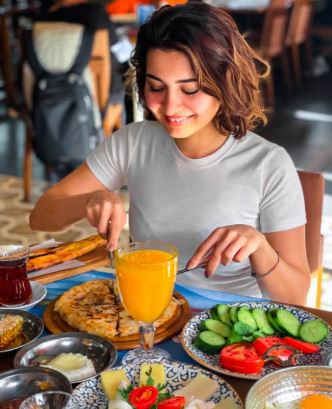
A balanced breakfast can provide a useful start to a long day of sightseeing. Travellers can look for combinations that include protein, fibre and carbohydrates, such as eggs with whole-grain bread, yoghurt with fruit and nuts, or regional breakfast dishes that include vegetables and protein.
For early departures, carrying simple snacks such as fruit, nuts or roasted legumes can help avoid relying entirely on highly processed convenience foods.
Stay hydrated while exploring
Long walks, warm weather, flights and changes in routine can make hydration particularly important during travel.
Water should remain the main drink, while travellers can also explore local unsweetened beverages where appropriate. Sugary drinks and excessive alcohol can add to dehydration and unnecessary calorie intake, particularly in hot destinations.
Carrying a reusable water bottle can make it easier to maintain regular hydration throughout the day, subject to local drinking-water safety.
Enjoy street food with some awareness
Street food is often one of the most memorable parts of international travel. From Indian chaats and Southeast Asian noodles to Mexican tacos and Middle Eastern grills, local food stalls can offer an authentic taste of a destination.
Travellers should pay attention to food hygiene, cooking temperature, cleanliness and food turnover. Foods that are freshly cooked and served hot are generally preferable to items that have been sitting out for long periods.
Travellers with allergies or dietary restrictions should also learn a few useful local phrases explaining what they cannot eat.
Walking can become part of the holiday
Staying fit during travel does not necessarily require a gym. Exploring a city on foot, taking stairs, walking through local markets or joining a cycling tour can naturally add movement to the day.
Travellers can also maintain a short routine of stretching, mobility exercises or bodyweight movements in their hotel room. The objective is not to follow a strict workout schedule but to keep the body active despite changes in routine.
Sleep matters as much as food
Jet lag, late-night dinners and packed itineraries can quickly affect energy levels. Adequate sleep helps travellers stay active and enjoy their destination rather than spending the next day feeling exhausted.
Building some flexibility into an itinerary can help. Instead of scheduling activities from morning to midnight, travellers can leave space for rest between sightseeing, meals and evening activities.
Travel is also about food discovery
A food-focused journey can become a way of understanding a destination’s history, agriculture, culture and communities. Local ingredients often tell stories about geography and tradition, while markets and restaurants reveal how people eat in their everyday lives.
For travellers, the ideal approach is not to treat local cuisine as something to avoid in the name of fitness. Instead, taste widely, choose thoughtfully, stay hydrated, remain active and allow enough time to rest.
As global travel continues to evolve, food is becoming an experience in its own right. The modern traveller can explore the world one meal at a time while still making wellness part of the journey.