
India’s logistics industry is undergoing a major transformation as artificial intelligence (AI) and automation become increasingly important in the movement, storage and delivery of goods. With e-commerce expanding, customer expectations rising and businesses looking to control operating costs, technology is changing how supply chains function across the country.
From AI-powered delivery planning to automated warehouses and real-time shipment tracking, logistics companies are adopting smarter solutions to improve efficiency. These technologies are helping businesses reduce delays, manage inventory more effectively and make better use of transport and storage facilities.
Government initiatives such as the National Logistics Policy (NLP), PM Gati Shakti and the Unified Logistics Interface Platform (ULIP) are also supporting India’s move towards a more connected logistics ecosystem.
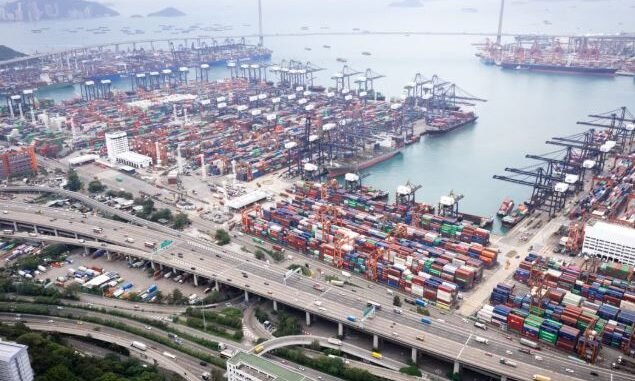
How AI Is Changing India’s Logistics Industry
Artificial intelligence is helping logistics companies make faster and more informed decisions. Traditional supply chain operations often depend on manual planning and separate information systems. AI can analyse large amounts of data, identify patterns and support better decisions across different stages of logistics.
Businesses are using these capabilities to forecast demand, plan deliveries, monitor shipments and manage warehouse operations. The result is a shift towards more connected and data-driven supply chains.
1. AI-Powered Demand Forecasting and Inventory Management
Managing stock is one of the biggest challenges for logistics companies and retailers. Too much inventory increases storage expenses, while insufficient stock can lead to missed sales and delayed deliveries.
AI-based demand forecasting tools analyse historical sales, seasonal trends and regional buying patterns to estimate future demand. This helps businesses decide how much stock they need and where products should be stored.
Better inventory planning can reduce unnecessary storage costs, prevent stock shortages and improve product availability. It is particularly useful for e-commerce companies and businesses managing multiple warehouses.
2. Smart Route Optimisation Reduces Delivery Delays
Transportation costs have a direct impact on the performance of logistics businesses. Traffic congestion, weather conditions, road disruptions and inefficient route planning can increase fuel consumption and delay deliveries.
AI-powered route optimisation systems use available traffic, weather and route information to identify more efficient delivery paths. Companies can adjust routes when conditions change instead of depending entirely on fixed schedules.
This can improve vehicle utilisation, reduce unnecessary travel and make delivery timelines more reliable. Research on logistics models aligned with India’s National Logistics Policy has indicated the potential for average transit times to fall by up to 30.5%.
3. Warehouse Automation Improves Productivity
Warehouses are becoming smarter as logistics companies introduce robotics and automated systems into daily operations.
Automated Storage and Retrieval Systems (AS/RS), Autonomous Mobile Robots (AMRs) and other warehouse technologies can help move goods, organise stock and support picking and packing activities.
Some facilities are also exploring drone-based inventory monitoring to improve stock visibility.
These solutions can reduce manual errors, improve the use of warehouse space and help companies handle larger order volumes. They also allow employees to focus on tasks that require supervision, planning and decision-making.
4. Real-Time Tracking Improves Supply Chain Visibility
Businesses need accurate information about where their goods are and when they will reach their destination. Without proper tracking, delays and disruptions can be difficult to identify.
Internet of Things (IoT) sensors, digital tracking platforms and AI-powered control systems are helping companies monitor shipments in real time. These tools can provide updates on goods in transit and alert businesses to potential disruptions.
Predictive maintenance is another important application. By monitoring vehicle and equipment performance, companies can identify possible faults before they lead to breakdowns.
Improved visibility helps businesses respond faster to problems and maintain more reliable delivery operations.
5. AI Makes Reverse Logistics More Efficient
Product returns are an important part of modern supply chains, particularly in e-commerce. Managing returned products can involve additional transportation, sorting, inspection and storage costs.
AI can help companies organise returned goods and identify whether products should be restocked, repaired, recycled or sent for further inspection.
Better route planning and vehicle-load management can also reduce unnecessary transportation. This helps businesses control reverse logistics expenses while supporting more sustainable operations.
Government Initiatives Supporting Digital Logistics in India
India’s logistics transformation is not being driven by private companies alone. Government policies and digital infrastructure are helping improve coordination across transport networks.
The National Logistics Policy aims to improve logistics efficiency, reduce costs and strengthen coordination across the sector.
PM Gati Shakti focuses on integrated infrastructure planning and multimodal connectivity, bringing different transport and infrastructure projects into a coordinated framework.
The Unified Logistics Interface Platform (ULIP) supports digital integration and information sharing across the logistics ecosystem. It can help businesses access relevant logistics information and improve coordination between different stakeholders.
Together, these initiatives are supporting the development of a more connected and technology-enabled logistics network.
Challenges in Adopting AI and Automation
Despite the benefits, introducing AI and automation requires careful planning and investment.
High initial costs: Automated warehouse systems, robotics and digital platforms require significant upfront investment. Smaller logistics companies may find it difficult to adopt these technologies immediately.
Data integration: Logistics information is often spread across different platforms and older systems. Inconsistent or incomplete data can affect the accuracy of AI-based decisions.
Cybersecurity risks: As supply chains become more connected, protecting shipment information, customer details and business systems becomes increasingly important.
Workforce training: Employees need the right skills to operate automated equipment, manage digital platforms and interpret data. Training and reskilling will be essential as technology changes traditional logistics jobs.
Addressing these challenges will help businesses adopt technology more effectively and ensure that automation delivers practical benefits.
Conclusion
AI and automation are changing the way India’s logistics industry operates. From smarter warehouses and faster route planning to real-time tracking and improved inventory management, technology is helping businesses build more efficient supply chains.
However, successful digital transformation requires more than purchasing advanced equipment or adopting new software. Companies also need reliable data, skilled employees, strong cybersecurity and technology solutions that match their operational needs.
As India’s economy and digital markets continue to expand, demand for efficient logistics services will grow. Businesses that combine technology with better planning and operational management will be better prepared to control costs, improve delivery performance and meet changing customer expectations.
The future of India’s logistics industry will depend on how effectively businesses use AI and automation to make the movement of goods faster, smarter and more reliable.
