
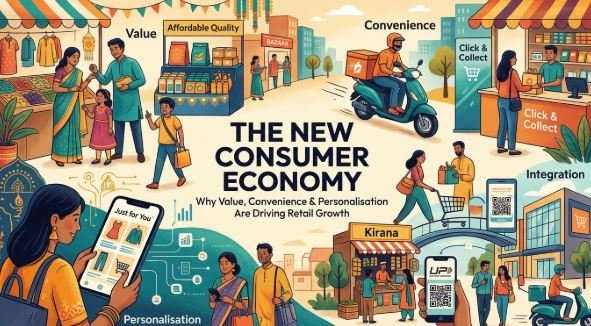
India’s retail landscape is changing as consumers become more thoughtful about their spending and more demanding about the experiences they receive. While price continues to influence purchasing decisions, shoppers are increasingly looking for products that offer quality, convenience and genuine value for money. From neighbourhood stores and shopping malls to e-commerce platforms and quick-commerce services, retailers are having to rethink how they reach customers and keep them coming back. This shift is creating fresh opportunities across the industry, but it is also raising the bar for businesses. In today’s competitive market, success depends not simply on offering attractive prices, but on understanding what customers want and making every shopping experience worthwhile.
Value Is Becoming More Important Than Discounts
For today’s consumers, getting value for money means more than finding the lowest price. Shoppers are paying closer attention to product quality, durability, usefulness and the overall experience associated with a purchase. A product that lasts longer or offers better functionality may be a more attractive choice than a cheaper alternative.
This change is prompting retailers to reconsider how they position their products and communicate with customers. Instead of depending heavily on discounts, businesses are looking at affordable product ranges, attractive bundles, loyalty benefits and clear pricing strategies to demonstrate value.
At the same time, premium products continue to find buyers among consumers who are willing to spend more for better features, convenience or distinctive experiences. Categories such as electronics, fashion, beauty, wellness and home appliances are benefiting from this willingness to make selective upgrades.
For retailers, the challenge is to serve both value-conscious and premium-seeking customers without losing sight of profitability. Understanding different spending preferences and offering the right product mix can help businesses compete more effectively. Strong supplier relationships, careful inventory planning and cost control will also be important in protecting margins.
Convenience Is Changing the Way People Shop
Consumers increasingly want shopping to fit easily into their daily lives. Whether they are buying groceries, household essentials or personal care products, they expect the process to be straightforward, reliable and time-efficient.
The growing popularity of quick commerce reflects this change. Faster delivery services have raised expectations, particularly for everyday purchases in urban markets. Customers are becoming accustomed to ordering essential products digitally rather than making a separate trip to a store.
This development is creating opportunities for retailers to explore local fulfilment centres, neighbourhood delivery partnerships, click-and-collect services and more integrated distribution models.
However, convenience is not simply about delivering an order quickly. Customers also expect accurate product information, transparent pricing, easy payments, dependable stock availability and responsive support when something goes wrong.
For businesses, even small improvements in the shopping journey can make a difference. A simpler checkout process, timely delivery updates or an easier return experience can encourage customers to shop again. Retailers that understand convenience as a complete service experience, rather than just a delivery promise, can build a stronger competitive position.
The Line Between Online and Offline Retail Is Disappearing
Shopping no longer follows a single, predictable route. A consumer might discover a product on social media, compare prices online, visit a store to examine it and then complete the purchase through a mobile application. This movement between channels is changing the way retailers approach sales and customer engagement.
Omnichannel retail is becoming increasingly important because consumers expect a consistent experience wherever they interact with a business. They do not necessarily think in terms of separate online and offline operations; they simply expect to find the products and services they need.
For established retailers, connecting physical stores with digital platforms can improve customer reach and create additional sales opportunities. Stores continue to offer personal assistance, product demonstrations and immediate purchases, while digital channels provide convenience and wider access to product choices.
Smaller retailers can benefit too. Online marketplaces and social commerce platforms allow local businesses to reach customers beyond their immediate areas without the expense of establishing multiple physical outlets.
The real challenge lies in connecting these channels effectively. Inconsistent prices, inaccurate stock information or poor coordination between online orders and physical stores can quickly damage customer confidence. Businesses that invest in integrated inventory, fulfilment and customer service systems will be better equipped to deliver a reliable shopping experience.
Personalisation Is Becoming a Powerful Retail Strategy
With so many brands competing for attention, customers are increasingly drawn to shopping experiences that feel relevant to their needs. Generic promotions and repeated advertisements may create visibility, but they do not always translate into meaningful engagement.
Retailers are turning to artificial intelligence and data analytics to understand what customers browse, purchase and prefer. These insights can help businesses recommend relevant products, create targeted offers and communicate with shoppers more effectively.
For example, a fashion retailer may suggest products based on a customer’s previous purchases or preferred styles. A grocery platform may highlight frequently purchased essentials or remind shoppers when it is time to replenish regular household items.
When used thoughtfully, personalisation can make product discovery easier and encourage repeat purchases. It can also help businesses direct marketing expenditure towards customers who are more likely to respond to particular offers.
But there is a balance to maintain. Customers may appreciate relevant recommendations, but excessive notifications or unclear data practices can make the experience uncomfortable. Retailers operating in India must also pay attention to applicable data protection requirements, including the Digital Personal Data Protection Act, 2023, and associated rules.
Ultimately, effective personalisation should make customers feel understood, not monitored. Businesses that combine useful recommendations with transparency and responsible data practices can build stronger relationships.
Technology Is Reshaping Retail Operations
Much of the transformation taking place in retail is happening behind the scenes. Businesses are increasingly using technology to improve inventory management, understand demand and make everyday operations more efficient.
Artificial intelligence and data analytics can help retailers identify purchasing patterns, forecast demand and plan stock levels. This is particularly valuable for businesses managing large product ranges, where poor forecasting can result in excess inventory, shortages and unnecessary costs.
Digital payments are also changing the retail experience. UPI, mobile wallets, cards and other electronic payment options have made transactions easier across physical stores and online platforms. For smaller retailers, digital payment systems can simplify transaction management and provide greater visibility into sales activity.
However, technology alone does not guarantee better business performance. Software, infrastructure, cybersecurity and employee training all require investment. Retailers need to identify the operational problems they want to solve and choose technology that delivers practical improvements.
The businesses that benefit most will not necessarily be those adopting the largest number of tools, but those using technology effectively to improve service, control costs and make better decisions.
Small Businesses Have New Opportunities to Compete
The changing consumer economy is not creating opportunities only for large retail chains and major digital platforms. Independent retailers, local manufacturers and emerging consumer brands can also find room to grow.
Digital marketplaces and social media have made it easier for smaller businesses to showcase products, connect with customers and build recognition beyond their immediate neighbourhoods. Local retailers can also use their understanding of community preferences to offer personalised service, convenient ordering and neighbourhood delivery.
For emerging brands, the opportunity lies in identifying specific consumer needs and offering products that combine quality, affordability and a clear point of difference.
However, reaching more customers does not automatically translate into stronger profits. Delivery costs, marketplace commissions, promotional expenses and customer acquisition costs can quickly affect margins. Small businesses must therefore pay close attention to the economics of growth.
A sustainable strategy involves building a loyal customer base, managing operating expenses and focusing on products and services that customers are willing to purchase repeatedly.
Customer Loyalty Will Shape the Next Phase of Retail Growth
In a market where consumers can compare prices and switch between retailers with relative ease, retaining customers is becoming just as important as attracting new ones.
Discounts may bring shoppers through the door, but they rarely guarantee long-term loyalty on their own. Customers are more likely to return when products meet expectations, deliveries are dependable, prices are transparent and problems are handled fairly.
This makes customer service a central part of retail strategy. Businesses that listen to feedback, resolve complaints effectively and maintain consistent service standards have a better opportunity to develop lasting customer relationships.
Retailers also need to recognise that customer expectations will continue to change. New shopping platforms, payment options and delivery models will keep influencing how people make purchasing decisions. Businesses that remain responsive to these changes can strengthen customer retention and reduce their dependence on constant promotional campaigns.
The Road Ahead for India’s Retail Industry
India’s retail industry is moving towards a more consumer-driven business environment where affordability, convenience and personalisation are becoming central to competitive growth. As digital adoption expands and shopping habits evolve, retailers will need to rethink traditional approaches to pricing, marketing, distribution and customer engagement. The businesses most likely to succeed will be those that understand that attracting a customer is only the beginning of the relationship. Competitive pricing may encourage an initial purchase, but reliable products, convenient services and relevant experiences give customers a reason to return. For retailers, the next phase of growth will depend on combining technology with a genuine understanding of consumer needs, while keeping operations efficient and customer data secure. Ultimately, the new consumer economy is not simply about selling more products; it is about delivering greater value at every stage of the shopping journey. Businesses that get this balance right will be better positioned to earn customer trust and build sustainable growth in India’s evolving retail market.
