

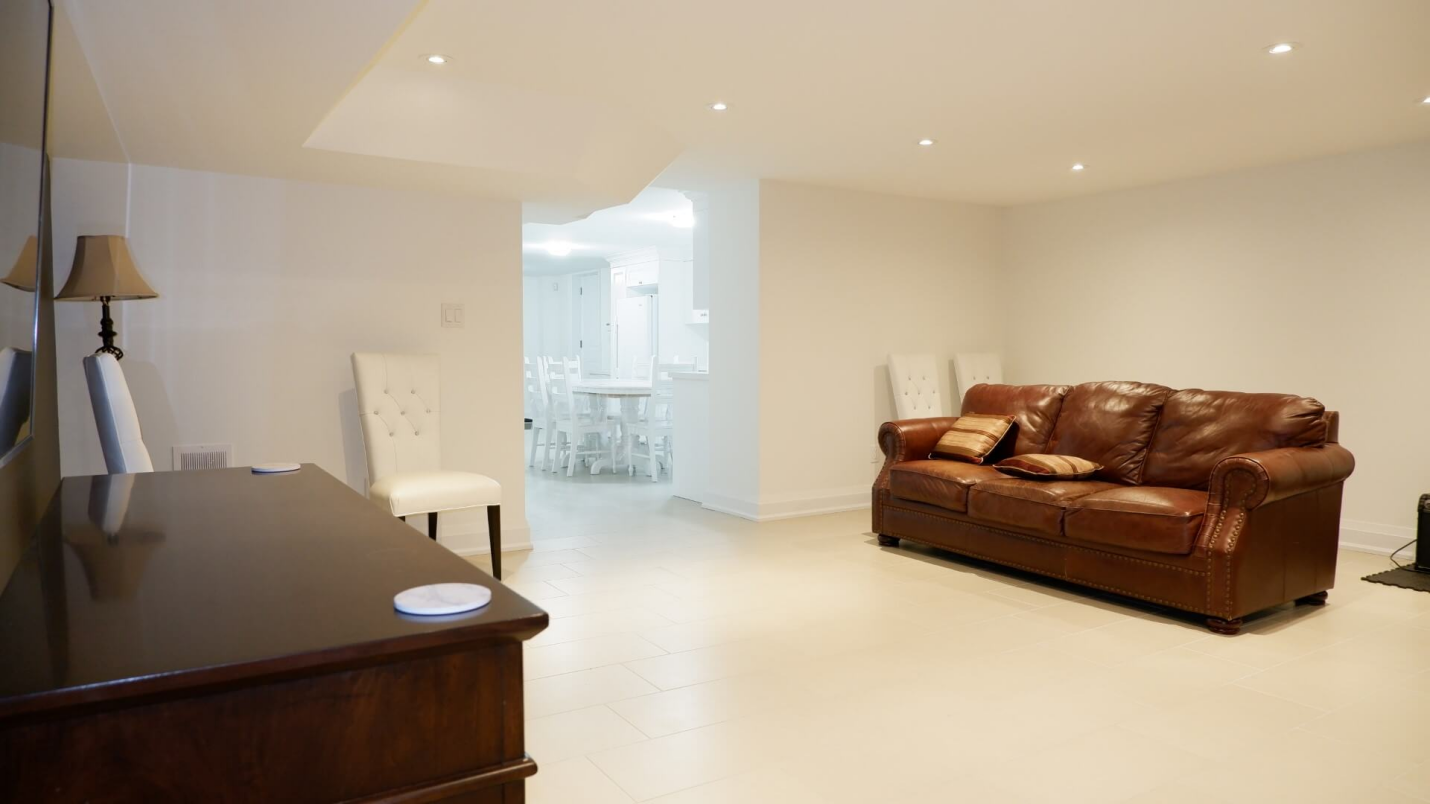
A beautiful interior needs to work around real routines, not just look tidy on social media. Many people buy trendy furniture that takes up valuable floor space and makes the room feel cramped. That gets annoying fast. Real style is about simple comfort. You want spaces that feel good to relax in after a long workday. Testing out a few practical home design ideas gives you breathing room and makes any floor plan feel twice as big.
Small adjustments create immediate results. You do not need a full renovation to notice the difference.
1. Choose Furniture That Works Harder
Heavy tables and rigid chairs take up too much room. Clutter builds up quickly when items only serve one purpose.
- Storage ottomans
They provide comfortable extra seating for visitors. You can also hide spare blankets inside them to keep the floor clean.
- Extendable dining tables
These stay small for basic breakfast prep. Pull the sides out whenever you host a larger group on the weekend.
- Wall-mounted furniture
Floating shelving keeps the base clear. That visible floor line makes the entire room feel much wider.
2. Make the Most of Vertical Space
People forget about their walls. They crowd every cabinet onto the rug and leave vertical areas bare.
- Tall bookcases
These pull the eye straight toward the ceiling. They make tight rooms seem noticeably taller while holding stacks of books.
- Open shelving
Fix these over desks or sinks. Keep your daily mugs or ceramic bowls right where your hands reach naturally.
- Full-height kitchen cabinets
Place your cabinets right up to the ceiling line. This avoids that awkward, greasy gap where dust gathers over time.
3. Use Lighting to Shape the Atmosphere
Relying on one harsh ceiling bulb ruins the mood of a room. It flattens textures and feels cold.
- Layered illumination
Set up task lamps right beside your favourite armchair. Cooking areas need bright under-cabinet strips.
- Gentle accent fixtures
Low-wattage wall lights highlight framed prints. They create soft warmth that feels calm once the sun sets.
- Natural sunlight
Hang light linen drapes so daylight scatters across the floor. A mirror placed across from a window will bounce back brightness.
4. Create Flexible and Multi-Purpose Areas
You don’t need extra rooms for every activity. You have to adapt zones as the day unfolds.
- Dual-purpose dining corners
A small table works well as a laptop desk from nine to five. Clear the paperwork away at dinner time to reset the area.
- Unused corners
An empty spot under a staircase can easily become a quiet reading nook. Add a single chair and a compact shelf.
- Modular pieces
Look for side tables with castor wheels. You can roll them out of the pathway whenever you need floor space to stretch.
Applying these (and similar) versatile home design ideas helps family members share common zones without feeling crowded.
5. Keep the Design Simple and Personal
Rooms do not need endless decorations to look complete. Over-styling only creates more surfaces to dust each week.
- Grounded palettes
Stick to two main neutral shades. Bring in texture with wool throws or woven jute rugs instead of loud colours.
- Meaningful accents
Put up framed travel photos you actually care about. A home should reflect your own life.
Balancing Function with Personal Style
A good setup simply comes down to how well it handles your daily mess. Keeping storage straightforward, mixing your lighting, and using flexible furniture stops any room from turning into total chaos. Tackle the little things that bug you every day. Great spaces work because they make real life feel completely painless.