

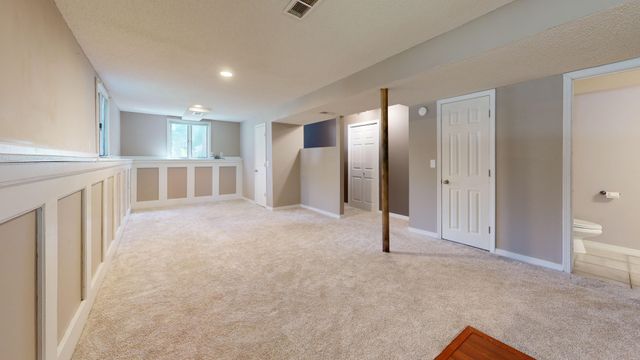
For many Australian entrepreneurs, the journey to success starts in a spare bedroom, a converted garage, or a living room corner. As of recent years, there are over 2.72 million actively trading businesses across the country, with small enterprises driving massive economic momentum. However, when a home-based startup experiences rapid growth, the residential space quickly becomes a bottleneck. Local council regulations, increased staff headcounts, and even land tax audits often serve as catalysts for securing a dedicated commercial lease. Once the business moves out, homeowners are left with a fantastic opportunity to reclaim their domestic sanctuary. Reclaiming this space is not just about moving furniture out, but rather a chance to rethink how your property functions and how it can better serve your family’s evolving lifestyle needs.
Executing a Seamless Departure
The transition from a home office to an official headquarters is an exciting milestone, but the physical move requires careful planning to protect your residential property. Extracting heavy office equipment, bulk inventory, and commercial-grade furniture can easily damage narrow residential hallways or scratch timber floorboards if not handled correctly. This is the exact moment when hiring a professional commercial removalist becomes essential. A specialised team ensures that bulky commercial assets are safely transported without causing structural damage to your home, giving you a clean slate to begin your renovation project. Their expertise in navigating tight residential corridors with large office items provides peace of mind during a highly stressful transitional period.
Once the room is entirely cleared, it is time to assess the structural and aesthetic potential of the space. Years of housing servers, filing cabinets, and makeshift desks often leave a room looking tired and worn. Stripping the space back to its bare bones allows you to plan upgrades that align with current Australian interior design trends, such as warm minimalism. This style focuses on natural textures, clean lines, and an open, uncluttered feel. Starting from scratch also makes it easier to inspect the subfloor, check for any scuff marks on the skirting boards, and patch up walls that may have been damaged by heavy shelving units.
Reimagining the Reclaimed Space
Deciding how to use your newly emptied room is the most exciting part of the renovation process. While some homeowners choose to create a dedicated wellness area or a domestic cinema, converting the space back into a functional bedroom is widely considered the smartest financial move. Driven by extended wait times for new builds and rising material costs, the trend to renovate instead of moving to a new house has strengthened significantly. Adding a bedroom is a major value driver in the current property market, appealing heavily to growing families and future buyers alike.
The financial return on this specific structural upgrade can be substantial. In fact, property data reveals that the price difference between a three-bedroom and a four-bedroom home can range from a modest increase to hundreds of thousands of dollars depending on your suburb. By investing in proper built-in wardrobes, premium carpeting, and quality window furnishings, you can seamlessly transform a utilitarian workspace into a highly profitable residential asset. This careful attention to detail ensures the new bedroom feels like a natural extension of the original floor plan rather than a hastily converted office space.
Energy Efficiency and Smart Upgrades
Structural renovations also present the perfect opportunity to address the overall thermal performance of your home. A large portion of existing Australian housing stock was built before modern minimum energy standards were introduced, leaving many older rooms poorly insulated and prone to drafts. Upgrading the room’s thermal shell not only improves daily comfort but also helps offset recent surges in domestic electricity costs. For those actively following the latest trends in home improvement, integrating smart climate controls during this phase is a highly recommended strategy to future-proof the property.
When the walls and floors are exposed during the renovation, consider implementing a comprehensive energy budget approach. Here are a few smart strategies to elevate the efficiency and comfort of your reclaimed room:
- Install premium insulation: Upgrading wall and ceiling insulation while the plasterboard is removed is a cost-effective way to improve the room’s star rating and reduce reliance on artificial heating and cooling.
- Upgrade to electric underfloor heating: This ultra-thin heating profile provides efficient radiant warmth without taking up the bulky footprint required by traditional wall radiators or ducted systems.
- Optimise natural light and glazing: Replacing old office windows with double-glazed panels improves acoustic comfort and thermal performance. This is especially important for wellness-focused domestic sanctuaries that require peace and quiet.
- Future-proof your wiring: Custom builders highly recommend running conduits for battery-compatible wiring and making the home ready for smart lighting networks while you already have tradespeople on site.
Embracing the Next Chapter
Investing time and capital into these final touches will guarantee the space feels inviting. Reclaiming your residential footprint serves as a tangible reward for your commercial success. Outgrowing a home office is a massive achievement that deserves to be celebrated. By approaching the subsequent home renovation with a strategic mindset, you can significantly boost your property value while enjoying a more comfortable, energy-efficient living environment. Whether you choose to create a luxurious guest suite or a tranquil reading room, reclaiming your space allows you to fully separate your work life from your personal downtime. With the right planning, expert help, and a focus on sustainable upgrades, your home will be perfectly positioned for its next beautiful chapter.