
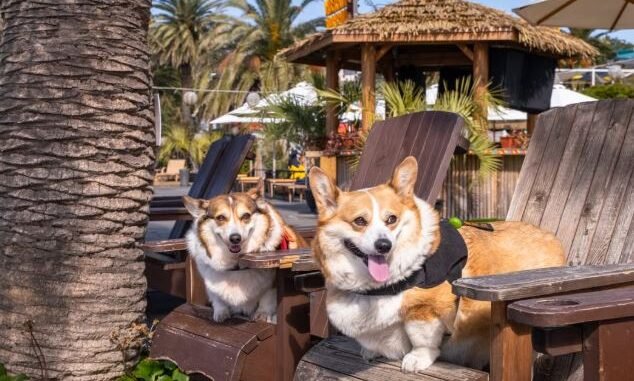
For a growing number of households, dogs and cats are no longer simply animals kept at home. They are companions and family members whose needs are considered when planning holidays, weekend breaks and even long-distance journeys. As a result, more travellers want destinations where they can enjoy their holidays without leaving their pets behind.
This changing preference is creating a promising commercial opportunity for India’s hospitality and tourism industry. Hotels are introducing pet-friendly rooms, luxury villas are adapting their facilities, travel companies are developing specialised holiday packages, and service providers are exploring new ways to make journeys more convenient for pet owners.
What was once a relatively small accommodation category is gradually developing into a wider tourism business segment. For hospitality companies, the opportunity extends beyond attracting additional bookings. It includes higher-value services, longer guest relationships, repeat business and partnerships with the expanding pet-care industry.
The Changing Pet-Parent Economy Is Reshaping Travel Demand
The growing emotional connection between people and their pets is influencing how households spend their leisure budgets.
Many pet owners find it difficult to leave their companions behind during holidays. Arranging pet boarding or care can involve additional expense, while separation may make the travel experience less enjoyable. Travelling together has therefore become an attractive alternative for households that want to include their pets in family activities.
This shift is creating demand for accommodation that offers more than permission to bring an animal. Travellers increasingly look for comfortable rooms, outdoor spaces, suitable dining arrangements and access to pet-care services.
The commercial potential is already attracting attention in India. Industry reporting based on travel-platform and hospitality data has highlighted rising pet-related bookings and growing interest in pet-inclusive accommodation. Business Standard reported that pet-friendly accommodation bookings rose by 40–45% in 2025 compared with 2024, according to EaseMyTrip data. It also reported that some travellers spend more when travelling with pets, reflecting demand for additional services and suitable accommodation.
For businesses, the message is becoming difficult to ignore: pet-friendly travel is developing into a customer segment with its own expectations and spending opportunities.
Hotels Can Turn Pet-Friendly Stays into New Revenue Streams
Hotels are among the businesses best positioned to benefit from this trend.
A property that welcomes pets can appeal to travellers who might otherwise choose private holiday homes or avoid taking a trip altogether. This gives accommodation providers an opportunity to attract customers beyond their traditional target market.
However, simply allowing pets into selected rooms may not be enough to create a competitive advantage. The real opportunity lies in developing a complete hospitality experience.
Hotels can introduce dedicated pet-friendly rooms, comfortable bedding, food and water bowls, walking areas, waste-disposal facilities and pet welcome kits. Premium properties can explore additional services such as grooming arrangements, pet menus, supervised play areas and partnerships with nearby veterinary clinics.
These services can create additional revenue while improving guest satisfaction.
The concept of “pawspitality” captures this change. It describes a hospitality approach in which the needs of pets are considered alongside those of their owners. For hotel operators, this can become a point of differentiation in an increasingly competitive accommodation market.
Luxury Villas and Boutique Resorts Have a Competitive Advantage
Private villas, cottages and boutique resorts may be particularly well placed to capture demand from pet-owning travellers.
Unlike large hotels with shared corridors and common facilities, many private properties offer gardens, outdoor seating, open spaces and greater privacy. These features can make holidays more comfortable for both pets and their owners.
The opportunity is already attracting attention among alternative accommodation businesses. Business Standard reported that StayVista had seen a 30% year-on-year increase in bookings from guests travelling with pets, while SaffronStays reported an 80% increase in pet-inclusive bookings in 2025.
These examples illustrate how pet-friendly accommodation can become a meaningful part of a hospitality company’s growth strategy.
For villa operators and property owners, the business case may include higher occupancy, differentiated positioning and opportunities to charge for additional services. However, the pricing strategy must reflect the quality of facilities and the actual costs of maintaining pet-friendly properties.
Travel Companies Can Build a New Market Around Pet-Friendly Holidays
The commercial opportunity does not end at the hotel reception.
Travel agencies and tour operators can develop specialised packages for people who want to travel with their pets. These packages can combine suitable accommodation, pet-friendly restaurants, outdoor activities, transport arrangements and information about veterinary services.
Road trips are particularly promising because they can offer greater flexibility than some forms of public transport. Operators can create weekend itineraries from major cities, selecting destinations with suitable accommodation, open spaces, walking trails and pet-friendly cafés.
Curated travel packages can also reduce the planning burden on customers. Instead of contacting multiple hotels and service providers, travellers can book a coordinated experience through a single operator.
For travel companies, this creates an opportunity to develop a specialised product category, attract repeat customers and build partnerships with accommodation providers and pet-care businesses.
Restaurants, Cafés and Attractions Can Benefit from Pet Tourism
Pet-friendly tourism can increase business opportunities for restaurants, cafés, shopping destinations and local attractions.
Travellers who bring their pets often look for places where they can spend time together rather than leaving their companions alone in accommodation. Restaurants with suitable outdoor seating, cafés with designated pet-friendly areas and attractions with clear animal-access policies can become part of the destination experience.
This can encourage longer visits and create additional spending opportunities.
For small businesses, introducing pet-friendly facilities does not necessarily require major investment. Clear seating arrangements, water bowls, waste-management facilities and staff awareness can help create a more welcoming environment.
Tourism destinations can also work with local businesses to develop pet-friendly visitor information, helping travellers identify suitable places before arriving.
The Pet-Care Industry Can Become a Tourism Partner
As pet-inclusive travel expands, the demand for supporting services is also likely to grow.
Veterinary clinics, grooming businesses, pet-sitting providers, pet food suppliers and travel-accessory companies can all benefit from closer connections with tourism operators.
A hotel could partner with a nearby veterinary clinic for emergency assistance. A resort could work with a grooming provider, while a travel agency could collaborate with pet-care companies to offer travel essentials and preparation services.
Businesses can also explore pet transportation, carriers, harnesses, travel beds and other products designed for journeys.
These partnerships can strengthen the overall customer experience while creating new sources of income for businesses that may not traditionally have been part of the tourism industry.
India Offers Significant Scope for Pet-Friendly Tourism
India’s diverse tourism landscape provides opportunities to develop pet-friendly travel across several accommodation and destination categories.
Hill retreats, coastal properties, countryside villas, nature-based resorts and private holiday homes can appeal to travellers seeking space and flexibility. Destinations within driving distance of major cities may be particularly suitable for weekend breaks and short road trips.
For hospitality businesses in these markets, pet-friendly facilities can provide a way to differentiate their properties and attract customers with specific travel preferences.
Eastern India also has potential to explore this segment. Resorts, homestays and private properties in suitable destinations across Odisha, West Bengal and the Northeast could consider pet-inclusive stays, subject to local conditions, transport access and appropriate facilities.
The opportunity is not limited to luxury properties. Mid-market hotels, homestays and independent accommodation providers can also participate by introducing practical services that meet the needs of pet owners.
The key is to develop offerings that are suitable for the property, commercially viable and clearly communicated to customers.
Why Pet-Friendly Tourism Can Improve Customer Loyalty
For hospitality businesses, acquiring new customers is only one part of growth. Encouraging repeat bookings and building long-term relationships are equally important.
Pet owners who find a property that genuinely understands their requirements may be more inclined to return rather than risk an uncertain experience elsewhere.
A consistent pet-friendly service can also generate positive recommendations and social media engagement. Guests may share photographs and experiences of their holidays, providing businesses with additional visibility among similar audiences.
This creates an opportunity for hotels to build a recognisable position in a specialised market.
Businesses can strengthen customer loyalty through repeat-visit offers, pet welcome packages, seasonal activities and partnerships that reward returning guests.
However, these benefits depend on delivering what has been promised. A property that advertises itself as pet-friendly but imposes unexpected restrictions can quickly damage customer trust.
Managing Costs, Hygiene and Operational Risks
Despite its commercial appeal, pet-friendly hospitality requires careful planning.
Hotels must consider additional cleaning, sanitisation, maintenance and staff-training requirements. Furniture, carpets and common areas may experience greater wear, while allergens can create difficulties for guests who do not travel with pets.
Clear policies are therefore essential. Properties should communicate permitted animal categories, room restrictions, size or breed conditions where applicable, additional charges and rules for shared spaces.
Staff should be trained to handle pet-related requests and understand procedures for hygiene, waste management and safety. Businesses should also establish arrangements for emergencies and provide information about nearby veterinary services.
A recent study published in the Journal of Destination Marketing & Management highlights the importance of balancing the interests of pet owners, guests without pets and hospitality providers when developing pet-friendly policies.
The commercial lesson is that pet-friendly tourism must be managed as an operating model, not treated as a marketing label.
Technology Can Make Pet-Friendly Travel Easier
Digital platforms can play an important role in the development of this market.
Accommodation websites and travel applications can introduce clearer pet-friendly search filters, allowing customers to identify suitable properties before booking. Businesses can also publish detailed information about room categories, pet charges, facilities and restrictions.
Travel-planning platforms may provide information about veterinary clinics, pet-friendly restaurants, transport requirements and nearby outdoor spaces.
For hotels, customer data and booking feedback can help identify demand patterns, popular services and opportunities to improve the guest experience.
Travel companies that make the booking process transparent and convenient may gain an advantage in a market where customers often face uncertainty about whether pets will actually be accepted.
The Business Opportunity Is Bigger Than Accommodation
Pet-friendly tourism is creating a wider commercial ecosystem that connects hospitality, transport, food services, retail, technology and animal care.
Hotels can earn through accommodation and additional amenities. Travel agencies can develop specialised packages. Restaurants can attract more visitors, while local service providers can offer grooming, veterinary assistance and pet-care support.
For investors and entrepreneurs, the opportunity lies in identifying gaps in the customer journey. In some destinations, suitable accommodation may already exist, but reliable transport or pet-care services may be limited. In others, the challenge may be a lack of clear booking information or trained hospitality staff.
Businesses that address these gaps can create services that complement traditional tourism rather than compete with it.
Conclusion:
The rise of pet-inclusive travel reflects a fundamental change in household preferences. As more people want to include their pets in holidays and leisure activities, the tourism industry is being presented with a new customer segment and fresh opportunities for growth.
For India’s hospitality sector, the potential extends from luxury villas and boutique resorts to hotels, cafés, travel agencies, transport providers and local pet-care businesses.
The companies most likely to benefit will be those that look beyond simply permitting pets and focus on creating reliable, comfortable and well-managed experiences. Clear policies, suitable facilities, trained staff and strong local partnerships will be essential.
Pet-friendly tourism is no longer just about giving travellers permission to bring their companions. It is about building a business around a changing idea of family travel—and turning that change into long-term customer loyalty, new revenue and wider economic opportunity.
