
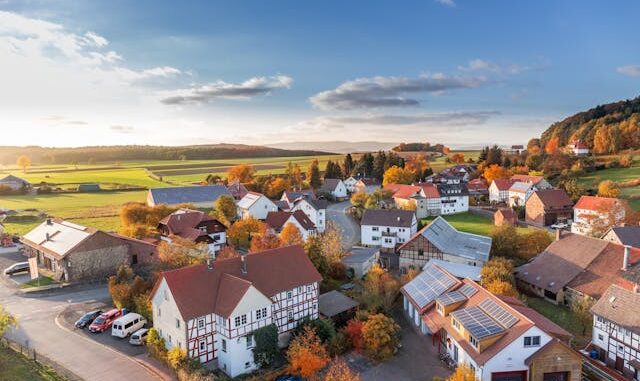

As the world shifts toward smarter and more sustainable lifestyles, housing is undergoing a quiet but powerful transformation. Manufactured homes—once viewed as basic alternatives—are now emerging as energy-efficient, modern living spaces that combine affordability with long-term sustainability.
In 2026, these homes are no longer just about cost savings. They represent a new way of living—where efficiency, comfort, and environmental responsibility come together.
A Smarter Approach to Homebuilding
Manufactured homes are built in controlled factory settings and then installed at their final location. This process reduces construction waste, improves quality consistency, and shortens build time.
What sets today’s manufactured homes apart is the integration of advanced design and technology. They are now built with energy performance in mind, making them comparable to traditional homes in both durability and comfort.
Why Energy Efficiency Is Driving Demand
Energy efficiency has become a central concern for homeowners. Rising electricity costs and growing awareness around environmental impact are pushing people to rethink how their homes consume energy.
An energy-efficient home reduces power usage without compromising comfort. This means lower utility bills, improved indoor climate, and a reduced carbon footprint—benefits that are becoming increasingly important for modern households.
Designed for Efficiency and Comfort
Today’s manufactured homes are equipped with features that significantly improve energy performance. High-quality insulation helps maintain stable indoor temperatures, reducing the need for constant heating or cooling.
Energy-efficient windows minimise heat loss while allowing natural light to brighten interiors. Smart thermostats automatically adjust temperatures based on daily routines, ensuring optimal energy use.
Appliances designed to consume less power further enhance efficiency, making everyday living both economical and convenient.
Solar Power and Self-Sufficient Living
A growing number of manufactured homes are now incorporating solar panels as part of their design. Rooftop solar systems allow homeowners to generate their own electricity, reducing dependence on the grid.
This not only cuts energy costs over time but also supports a more sustainable lifestyle. As solar technology becomes more accessible, it is rapidly becoming a standard feature in energy-conscious homes.
Versatility Across Locations
Manufactured homes are being used across a wide range of settings—from suburban developments to rural and semi-urban areas. Their flexibility and cost-effectiveness make them an attractive option for first-time buyers, small families, and those looking to downsize.
They are also playing a key role in addressing affordable housing needs without compromising on quality or efficiency.
Durability That Matches Modern Standards
Modern manufactured homes are built to meet strict construction guidelines, ensuring strength and long-term reliability. Improved materials and engineering techniques have enhanced their ability to withstand different weather conditions.
With regular maintenance, these homes can deliver performance and durability comparable to traditional housing.
Simple Ways to Improve Efficiency Further
Even with built-in efficiency features, homeowners can take additional steps to reduce energy use. Sealing air leaks, switching to LED lighting, and using smart devices to monitor consumption can make a noticeable difference.
These small changes contribute to long-term savings and a more comfortable living environment.
Looking Ahead: The Future of Housing
The future of manufactured homes is closely tied to innovation in clean energy and smart technology. As demand for sustainable living continues to grow, these homes are expected to become even more efficient, accessible, and widely adopted.
They are not just meeting today’s housing needs—they are shaping the future of how we live.
Conclusion
Energy-efficient manufactured homes are redefining modern housing by offering a practical balance of affordability, sustainability, and comfort.
In a time when energy use and environmental impact matter more than ever, these homes provide a forward-looking solution—one that aligns with both economic and ecological priorities.
As the housing landscape evolves, manufactured homes are proving that smart, efficient living is not just possible—it’s already here.