
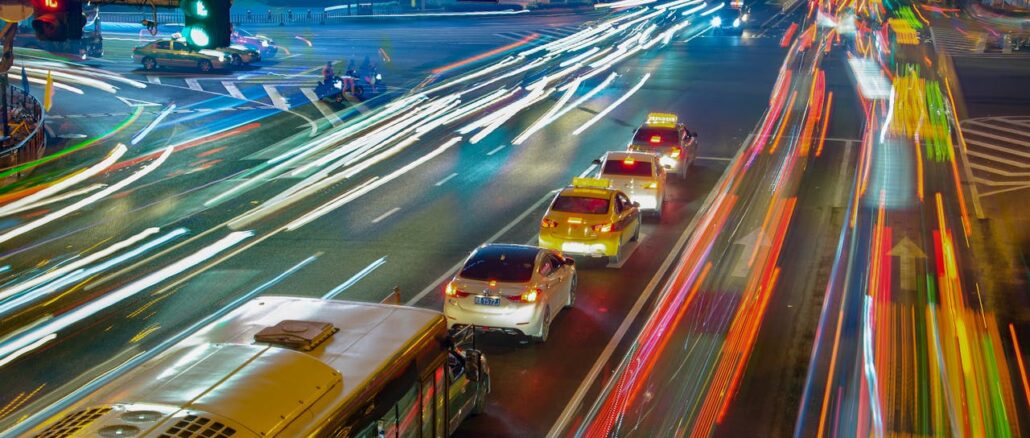

Smart mobility is no longer a futuristic concept—it’s an operational reality transforming how businesses move goods, manage assets, and optimize performance.
At the center of this transformation is tracking technology, powered by GPS, IoT (Internet of Things), telematics, and AI-driven analytics.
From logistics and transportation to field services and supply chains, tracking systems are evolving from simple location tools into intelligent decision-making engines.
The Evolution from Tracking to Intelligence
Traditional fleet tracking focused on answering a simple question: Where is the vehicle?
Modern smart mobility answers far more complex questions:
- What is the most efficient route right now?
- When will this asset require maintenance?
- How is driver behavior impacting costs?
- Where are operational inefficiencies occurring?
This shift is driven by connected ecosystems, where vehicles, assets, and infrastructure continuously communicate through sensors and cloud platforms. IoT-enabled tracking systems now collect real-time data on:
- Location and movement
- Engine health and diagnostics
- Fuel consumption
- Driver behavior
- Environmental conditions
This data is then transformed into actionable insights, enabling businesses to move from reactive operations to predictive and prescriptive models.
Key Technologies Powering Smart Mobility
1. IoT and Telematics
IoT devices and telematics systems turn vehicles into data-generating assets, providing continuous visibility into operations.
These systems integrate:
- GPS tracking
- On-board diagnostics (OBD)
- Sensors for temperature, fuel, and cargo
- Driver monitoring tools
The result is a fully connected operational network.
2. AI and Predictive Analytics
Artificial intelligence enhances tracking by identifying patterns and forecasting issues before they occur.
- Predictive maintenance reduces breakdowns
- AI-driven routing optimizes delivery times
- Behavior analytics improves driver safety
Businesses using predictive systems report significant reductions in downtime and repair costs.
3. Edge Computing and Real-Time Decision Making
Instead of relying solely on cloud processing, edge computing allows data to be processed directly within vehicles or devices, enabling:
- Instant alerts
- Faster response times
- Reduced latency in critical operations
4. Integration with Business Systems
Modern tracking platforms integrate with:
- ERP systems
- CRM platforms
- Supply chain software
This ensures that mobility data is not siloed but directly impacts financial planning, customer service, and operational strategy.
How Tracking Technology is Reshaping Business Operations
1. Operational Efficiency at Scale
Real-time tracking allows businesses to:
- Optimize routes dynamically
- Reduce idle time
- Improve fleet utilization
Companies adopting IoT-based fleet systems report over 70% improvement in operational efficiency.
2. Cost Reduction and Profitability
Tracking technology directly impacts the bottom line by:
- Reducing fuel consumption (8–15%)
- Cutting maintenance costs (~20%)
- Lowering downtime (~25%)
These efficiencies compound across large operations, significantly increasing ROI.
3. Predictive Maintenance and Asset Longevity
Instead of reacting to breakdowns, businesses can:
- Monitor wear and tear in real time
- Schedule maintenance proactively
- Avoid costly emergency repairs
This shift from reactive to predictive maintenance is one of the most valuable outcomes of smart mobility.
4. Enhanced Safety and Compliance
Tracking systems improve safety through:
- Driver behavior monitoring
- Real-time alerts (speeding, harsh braking)
- Compliance automation (ELD logs, audits)
They also reduce risks like theft through geofencing and live tracking.
5. Data-Driven Decision Making
Tracking technology transforms raw data into:
- Performance dashboards
- Cost-per-vehicle insights
- Route optimization models
This enables leadership teams to make strategic, evidence-based decisions rather than relying on assumptions.
Industry-Wide Impact
Smart mobility is not limited to logistics. It is reshaping:
- E-commerce: Faster, more predictable deliveries
- Healthcare logistics: Real-time tracking of critical supplies
- Construction: Monitoring heavy equipment usage
- Public transport: Improved scheduling and passenger safety
- Supply chains: End-to-end visibility and traceability
IoT-based tracking also strengthens trust and transparency across supply chain networks by improving traceability and security.
Emerging Trends Defining the Future
Autonomous and Connected Fleets
Tracking technology will serve as the backbone for:
- Self-driving vehicles
- Delivery drones
- Automated logistics systems
Sustainability and Green Mobility
Smart tracking enables:
- Emissions monitoring
- Fuel optimization
- Route efficiency
Helping businesses meet environmental targets while reducing costs.
From Predictive to Prescriptive Systems
The next phase of smart mobility will not just predict problems—it will:
- Recommend solutions
- Automate decisions
- Execute corrective actions in real time
Hyper-Customized Industry Solutions
Different sectors will adopt tailored tracking systems, such as:
- Cold chain monitoring for pharmaceuticals
- Real-time parcel tracking in e-commerce
- Asset tracking in manufacturing
Challenges Businesses Must Address
Despite its advantages, smart mobility adoption comes with challenges:
- High initial implementation costs
- Data security and privacy concerns
- Integration with legacy systems
- Workforce adaptation to monitoring technologies
However, the long-term ROI consistently outweighs these barriers.
Conclusion: A Strategic Imperative, Not an Option
Smart mobility powered by tracking technology is no longer optional—it’s a competitive necessity.
Businesses that embrace this transformation gain:
- Greater operational visibility
- Lower costs
- Improved safety
- Faster, data-driven decision-making
As tracking evolves into intelligent, autonomous systems, companies that invest early will not just optimize operations—they will redefine how business itself moves.