
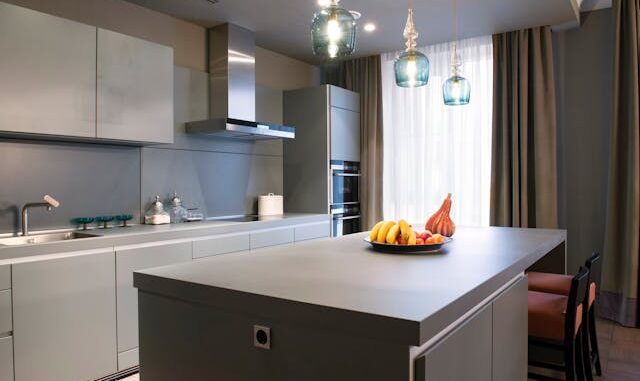

Modern kitchen design has moved far beyond cabinets, tiles, and appliances. Today, interiors are shaped by micro-details—small, intentional elements that influence both appearance and lifestyle. Among these, the fruit pot has quietly emerged as a simple but powerful design feature.
What was once just a bowl for storing fruit is now considered a styling object that connects aesthetics, wellness, and everyday functionality.
Redefining the Fruit Pot in Contemporary Homes
In modern interiors, a fruit pot is no longer treated as basic kitchenware. It is now viewed as a functional décor accent placed strategically in kitchens or dining spaces.
It serves three roles at once:
- Storage for fresh produce
- Visual enhancement of the space
- Subtle promoter of healthy habits
This combination makes it a natural fit for today’s lifestyle-focused homes.
Why Fruit Pots Are Gaining Importance in Interior Design
1. They Bring “Living Colour” Into Neutral Kitchens
Most modern kitchens are built around neutral palettes—white, grey, beige, or matte finishes. While visually clean, they can feel emotionally flat.
A fruit pot introduces organic colour variation through natural produce. Unlike artificial décor, this colour is dynamic—it changes with seasons, mood, and selection.
2. They Create a Soft Visual Anchor
In interior styling, every space needs a focal point. A fruit pot often becomes that subtle anchor on countertops or dining tables, drawing attention without overpowering the room.
It adds structure to open kitchen layouts where visual balance is essential.
3. They Influence Everyday Behaviour Without Effort
One of the most interesting aspects of fruit pots is their psychological impact. When fruits are placed in plain sight:
- Healthy choices become more accessible
- Snacking habits shift naturally
- Food waste is often reduced
This makes the fruit pot a quiet behavioural design tool, not just décor.
4. They Align With Minimalist Interior Philosophy
Minimalism is not about emptiness—it is about meaningful objects. A fruit pot fits this philosophy because it is:
- Functional
- Aesthetic
- Non-intrusive
It replaces the need for multiple decorative items with a single, purposeful element.
5. They Strengthen the Connection With Nature
Modern design increasingly follows biophilic principles—bringing natural elements into indoor environments.
Fruit pots support this by introducing:
- Organic textures
- Natural shapes
- Seasonal variety
This creates a sense of warmth and reduces the mechanical feel often associated with modular kitchens.
6. They Offer High Design Value at Low Cost
Unlike expensive renovations or décor upgrades, fruit pots are highly accessible. Yet their impact is immediate.
A well-styled fruit arrangement can visually elevate:
- Compact kitchens
- Luxury interiors
- Dining areas
without structural changes.
Evolving Styling Approaches in 2026 Interiors
Interior designers are now treating fruit pots as curated design pieces rather than random bowls.
Popular styling directions include:
- Colour-based arrangements (monochrome or contrasting fruit tones)
- Layered displays using stands or tiered bowls
- Seasonal rotation for freshness and visual change
- Mixing textures—smooth fruits with rough-skinned varieties
Material pairing is also important:
- Stone or ceramic for calm interiors
- Wood for earthy, natural themes
- Metal and glass for modern luxury kitchens
Strategic Placement for Maximum Visual Effect
Placement defines the effectiveness of a fruit pot in interior design. Common high-impact locations include:
- Kitchen countertops (central visual point)
- Dining tables (hospitality and warmth factor)
- Kitchen islands (modern open-plan homes)
- Near natural light sources (enhanced colour visibility)
When placed correctly, the fruit pot becomes part of the kitchen’s identity rather than an accessory.
Conclusion: A Small Object With a Big Design Philosophy
The rise of the fruit pot in modern kitchens reflects a larger shift in interior design thinking. Homes today are no longer styled only for appearance—they are designed for experience, behaviour, and wellbeing.
In this context, the fruit pot represents more than decoration. It symbolises a new design mindset where simplicity, nature, and daily life coexist seamlessly.
A single bowl of fruit, thoughtfully placed, can quietly transform the mood, function, and aesthetic of an entire kitchen.