
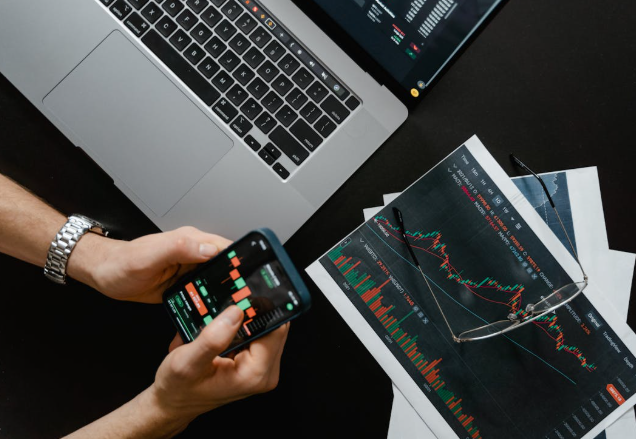

The share market in 2026 continues to offer strong opportunities for investors, but it also comes with a fair share of risks. Whether the market feels safe or risky largely depends on an investor’s preparation, investment horizon, and ability to manage volatility. Understanding both the risks and potential rewards is essential before making investment decisions.
Market Outlook
The outlook for 2026 suggests moderate growth across major global and Indian indices, supported by advancements in artificial intelligence, improving economic trends, and expectations of interest rate cuts in major economies. Global markets, including the S&P 500, are expected to deliver stable returns, while Indian benchmarks like the Sensex and Nifty could continue their upward momentum after strong gains in 2025.
India’s long-term growth story remains supported by rising domestic consumption, infrastructure spending, digital adoption, and increasing retail investor participation.
Key Rewards
Investing in the share market allows investors to benefit from long-term wealth creation through compounding and capital appreciation. Sectors such as financial services, healthcare, manufacturing, infrastructure, and energy continue to attract investor interest due to strong business fundamentals
Indian equities also continue to draw attention because of the country’s economic growth potential and improving corporate earnings outlook. Long-term investors who remain disciplined during market cycles may benefit significantly from staying invested over extended periods.
Major Risks
Despite the optimism, markets remain vulnerable to several risks. Elevated valuations in certain sectors, global geopolitical tensions, inflation concerns, and fluctuating interest rates can lead to sudden corrections.
In India, factors such as tight liquidity conditions, foreign investor selling, currency fluctuations, and delays in global trade developments may create short-term uncertainty. In addition, excessive speculation around AI-related businesses and high-growth stocks could increase market volatility.
Volatility Factors
Market volatility in 2026 may continue to be influenced by:
- Changes in central bank policies
- Inflation and interest rate movements
- Global geopolitical developments
- Crude oil price fluctuations
- Corporate earnings growth
- Foreign institutional investor (FII) flows
Short-term market swings are expected to remain a part of investing, especially when global events trigger sudden shifts in investor sentiment.
Risk Management
Managing risk remains one of the most important aspects of investing in the share market. Diversifying investments across sectors and asset classes can help reduce portfolio risk.
Investors may consider balancing exposure between equities, debt instruments, gold, and other assets based on their financial goals and risk tolerance. Focusing on fundamentally strong companies with healthy balance sheets, strong cash flows, and experienced management teams can also improve long-term portfolio stability.
Systematic investing through SIPs can further help investors manage volatility by averaging investment costs over time.
Long-Term Perspective
Historically, equity markets have rewarded disciplined long-term investors despite periods of market corrections and economic uncertainty. India’s structural growth story, backed by reforms, digital expansion, and rising consumption, continues to support long-term investment opportunities.
Rather than reacting emotionally to short-term market movements, investors may benefit more from patience, consistency, and a goal-based investment approach.
Practical Strategies
Here are a few practical strategies investors can follow in 2026:
- Understand your risk appetite before investing
- Diversify across sectors and asset classes
- Focus on earnings growth and business fundamentals
- Avoid excessive leverage during volatile periods
- Continue investing regularly through SIPs
- Stay updated on global and domestic economic developments without reacting impulsively
Wrapping Up
The share market in 2026 is neither completely safe nor excessively risky. It remains a place where informed and disciplined investors can build long-term wealth while managing market volatility through proper diversification and financial planning. Investors who focus on quality businesses, maintain patience, and follow a structured investment strategy are likely to navigate market uncertainty more effectively.