

Mumbai/Kolkata, May 28 : Marking World Emergency Day with a strong message on the importance of timely medical intervention, Manipal Hospitals East unveiled its emergency response initiative, “One Scan Can Save a Life,” a technology-driven step aimed at ensuring faster ambulance access during critical emergencies. The event brought together some of the hospital’s leading doctors, including Dr. Indranil Das, Senior Consultant and HOD Accident and Emergency Care, Manipal Hospital EM Bypass; Dr. Sujoy Das Thakur, Consultant and In-Charge – Emergency Medicine, Manipal Hospital Mukundapur and Dr. Kishen Goel, Consultant and HOD Emergency, Manipal Hospital Broadway along with the presence of cast members from the much-anticipated upcoming Bengali film “Phoolpishi and Edward,” directed by celebrated filmmaker duo Nandita Roy and Shiboprosad Mukhopadhyay. Their presence added a cultural and emotional touch to the initiative, amplifying the message of awareness, preparedness, and the life-saving impact of swift emergency response.
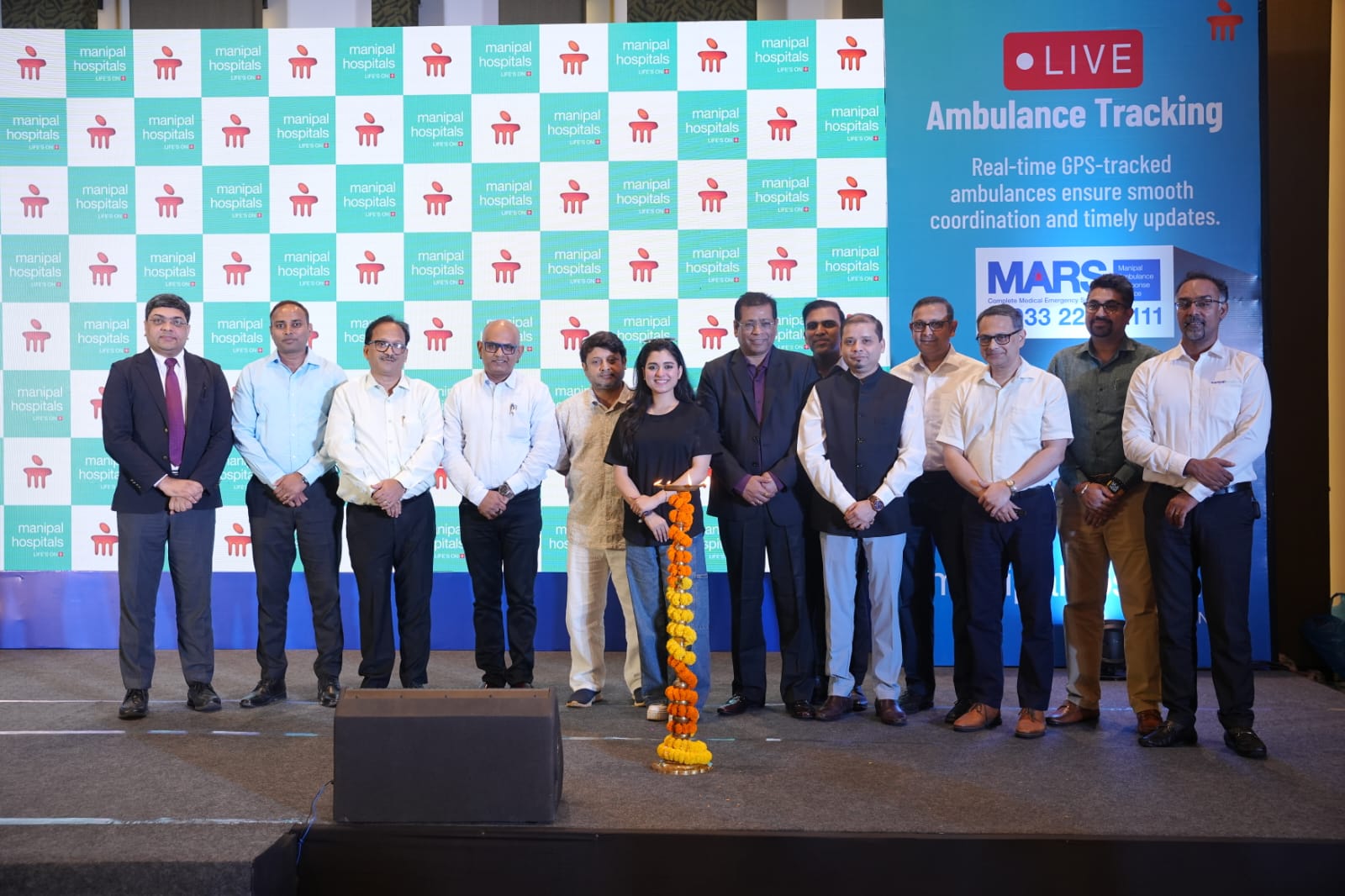
The initiative introduces a QR-enabled emergency access system that allows individuals to instantly connect with ambulance services, share their live location, and activate rapid medical response during the “golden hour” the crucial first hour after a medical emergency when immediate intervention can significantly improve survival outcomes. The technology is integrated with MARS (Manipal Ambulance Response Service), ensuring faster coordination and timely medical assistance.
According to global health estimates, nearly 1 in 4 deaths in India are caused by cardiovascular diseases, with heart attacks and strokes contributing significantly to emergency hospital admissions. Studies indicate that early treatment within the first “golden hour” can reduce mortality risk in cardiac emergencies by almost 50%. Additionally, road accidents account for over 1.5 lakh deaths annually in India, while trauma and orthopedic injuries remain among the leading causes of disability and emergency care admissions.
Speaking about neurological emergencies, Dr. Jayanta Roy, Director & Advisor and Regional Head (East) – Neurology, Manipal Hospitals said,
“When it comes to stroke management, time is the most critical factor. It is often said that ‘time is brain’ because nearly 1.9 million brain cells can be lost with every passing minute after a stroke begins. Delayed medical attention can lead to irreversible brain damage, long-term disability, or even loss of life. Early recognition of symptoms, immediate access to emergency services, and rapid transportation to a specialized medical facility can dramatically improve recovery outcomes and reduce complications. Greater public awareness, faster emergency response systems, and accessible healthcare infrastructure are essential to ensuring that patients receive life-saving treatment within the golden hour.”
Addressing cardiac emergencies Dr. Dilip Kumar, Director Cath Lab, Senior Interventional Cardiologist, Device and Structural Heart Expert at Manipal Hospital EM Bypass, said,
“In cardiac emergencies, the biggest challenge is often the delay between the onset of symptoms and access to medical care. Many patients lose valuable time due to panic, lack of awareness, or difficulty in arranging immediate transportation to a hospital. Initiatives like ‘One Scan Can Save a Life’ are extremely significant because they simplify and accelerate the process of reaching emergency medical support during critical moments. By enabling faster ambulance connectivity and quicker response coordination, such technology-driven interventions can help patients receive timely cardiac evaluation and treatment when every second counts. Strengthening emergency accessibility and encouraging people to act immediately at the first sign of distress can go a long way in reducing fatalities and improving outcomes in heart-related emergencies.”
Highlighting trauma and orthopedic emergencies, Dr. Debasis Chakravarty, Director – Orthopaedics, Manipal Hospital Broadway, said,
“Road traffic accidents and trauma-related injuries continue to be a major public health concern, with fractures, spinal injuries, head trauma, and multiple orthopedic complications requiring immediate medical intervention. According to recent traffic data, Kolkata recorded nearly 191 road accident-related deaths in 2024, while several hundred more suffered serious injuries requiring emergency and long-term orthopedic care. In trauma cases, the first few minutes after an accident are extremely critical, as delays in stabilization, transportation, and treatment can lead to permanent disability, mobility loss, or life-threatening complications. Rapid emergency response, timely ambulance support, and coordinated trauma care play a crucial role in improving survival and rehabilitation outcomes. Initiatives like ‘One Scan Can Save a Life’ are highly impactful as they help patients access emergency medical assistance faster, enabling quicker intervention during accidents and other orthopedic emergencies when timely care can make all the difference.”
The initiative also aims to encourage greater public participation in emergency preparedness and awareness, empowering communities to respond faster during medical crises. Through this technology-led approach, Manipal Hospitals East hopes to make emergency healthcare more accessible, responsive, and efficient for citizens across the region.