
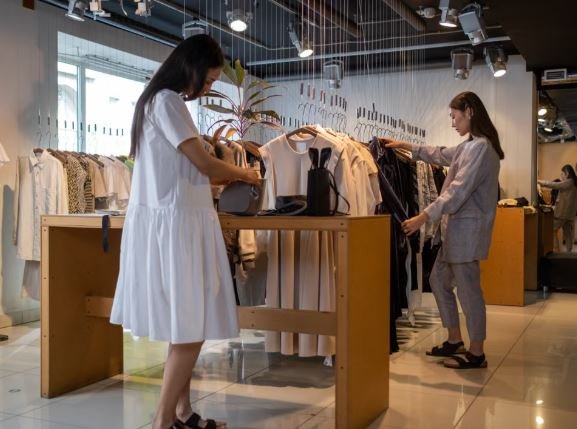
For years, online shopping has changed how people buy products. Customers can now compare prices, read reviews, and place orders without visiting a physical store. This shift has pushed traditional retailers to rethink the purpose of their stores and find new ways to attract customers.
As a result, experiential retail is gaining importance. Instead of focusing only on selling products, retailers are creating spaces where customers can explore, interact, learn, and enjoy the shopping process. The aim is to make store visits more useful and engaging.
This approach reflects a wider change in consumer behaviour. Customers still value convenience, but many also want personal interaction, product demonstrations, expert advice, and the opportunity to experience products before making a purchase.
Why In-Store Shopping Is Changing
The growth of e-commerce has made shopping faster and more convenient. However, online platforms cannot fully replace the experience of visiting a physical store.
Customers may want to test a product, understand how it works, compare different options, or speak directly with a sales professional. These needs create opportunities for physical retailers.
Stores are increasingly being designed as spaces for discovery rather than simply places where products are displayed. Retailers are using product demonstrations, interactive displays, workshops, events, and personalised services to encourage customers to spend more time in stores.
The objective is not to compete with online shopping on convenience alone. It is to offer something that digital channels cannot easily provide.
From Product Display to Customer Experience
Traditional retail stores were largely organised around product shelves, price displays, and sales counters. Experiential retail takes a different approach by placing the customer experience at the centre of store planning.
For example, a technology store may allow visitors to try devices before purchasing them. A furniture retailer may create room settings to help customers understand how products will look in their homes. A beauty store may offer product consultations and demonstrations.
These activities help customers make informed decisions. They can also build trust and increase the likelihood of a purchase.
For businesses, the benefit goes beyond immediate sales. A positive store experience can encourage repeat visits, strengthen customer relationships, and generate recommendations through word of mouth.
The Role of Technology in Modern Retail
Technology is becoming an important part of the in-store experience. Digital screens, interactive product displays, self-service tools, and mobile-based services can make shopping more convenient and informative.
Retailers can also use customer data to understand buying preferences and improve product recommendations. When used responsibly, this information can help businesses provide more relevant services.
However, technology should support the shopping experience rather than make it complicated. Customers still value helpful staff, clear information, and a smooth purchasing process.
The most effective retail strategies combine digital tools with human interaction. Technology can provide information and convenience, while store employees can offer guidance and personal assistance.
Why Retailers Are Investing in Physical Stores
Physical stores continue to serve an important business purpose, even as online sales grow. They provide a direct connection between businesses and customers.
A well-designed store can help customers understand a product, experience its quality, and build confidence before buying. Stores can also support online sales through services such as product collection, returns, exchanges, and customer assistance.
For retailers, this creates an opportunity to connect different sales channels. Customers may discover a product online, visit a store to try it, and complete the purchase through either channel.
This combination of online and offline services is becoming an important part of retail strategy.
Measuring the Business Value of Experiential Retail
Creating an attractive store is not enough. Retailers also need to understand whether their investment is delivering business results.
Businesses can measure the performance of experiential retail through several indicators, including:
- Store footfall: The number of people visiting a store.
- Customer engagement: How customers interact with products, displays, and staff.
- Conversion rate: The percentage of visitors who make a purchase.
- Average transaction value: The average amount customers spend per transaction.
- Repeat visits: How often customers return to the store.
- Customer satisfaction: Feedback on the overall shopping experience.
These measures help retailers identify which activities are effective and where improvements are needed.
Businesses should also consider the cost of store design, technology, staffing, and events. The goal is to create experiences that improve customer relationships while supporting long-term profitability.
Challenges Retailers Need to Consider
Experiential retail requires investment and careful planning. Store redesigns, interactive technology, employee training, and customer events can increase operating costs.
There is also no guarantee that a visually attractive store will generate higher sales. Retailers need to understand their target customers and develop experiences that match their interests and purchasing needs.
Employee training is equally important. Staff members must be able to explain products, answer questions, and provide useful assistance. Without good service, even an expensive store design may fail to create a positive impression.
Retailers should therefore begin with clear business objectives, test new ideas on a manageable scale, and measure customer response before making larger investments.
The Future of Experiential Retail
The future of physical retail is likely to depend on how effectively businesses combine convenience, technology, and personal service.
Stores will continue to support product discovery, customer interaction, demonstrations, and after-sales assistance. At the same time, online channels will remain important for product research, price comparisons, and convenient purchasing.
Retailers that connect these channels effectively can create a more consistent customer journey.
Experiential retail is not simply about making stores look attractive or adding technology. It is about giving customers a clear reason to visit, helping them make better buying decisions, and building relationships that extend beyond a single transaction.
Conclusion
The return of in-store engagement reflects a change in how retailers view physical stores. Rather than treating them only as sales locations, businesses are increasingly using them as spaces for customer interaction, product discovery, and service.
For retailers, the opportunity lies in creating experiences that deliver real value to customers while supporting measurable business outcomes.
As competition between online and offline channels continues, physical stores that offer useful experiences, knowledgeable service, and convenient shopping options are likely to remain an important part of the retail industry.
