
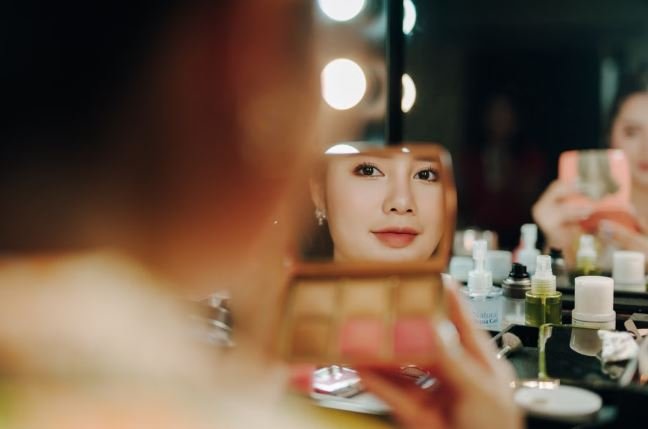
Fashion and skincare have traditionally been treated as two different parts of personal care. One focuses on clothing and appearance, while the other is associated with maintaining healthy skin. However, the way people approach beauty is changing, and the two industries are increasingly becoming connected.
Today, looking good is no longer just about wearing fashionable clothes or applying makeup. Consumers are paying more attention to their skin, choosing comfortable clothing and exploring beauty products that fit naturally into their everyday lifestyles.
This changing approach is influencing everything from makeup and skincare packaging to luxury fashion and clothing materials. Beauty products are becoming more stylish, makeup is taking inspiration from skincare, and textile innovation is exploring new ways to improve comfort against the skin.
The growing connection reflects a wider shift in modern lifestyles, where personal grooming, fashion and self-expression are becoming closely linked.
Skincare Is Becoming Part of Everyday Fashion
Skincare products were once viewed mainly as daily essentials kept at home or carried discreetly in handbags. Today, their presentation is becoming an important part of the overall beauty experience.
Products such as lip balms, hand creams, moisturisers and other skincare essentials are increasingly available in attractive packaging and compact designs. Some are even being presented as decorative accessories that can be carried alongside handbags and other personal items.
This change reflects how consumers now look at beauty products. They are interested not only in how a product works but also in its design, appearance and convenience.
Fashion-inspired beauty collections and creative collaborations are further bringing the two industries together. Skincare is gradually moving beyond the bathroom shelf and becoming part of everyday personal style.
Fashion Trends Are Influencing Skincare Choices
Fashion has always played a role in shaping beauty trends. The colours, hairstyles and makeup looks seen on runways and in fashion campaigns often influence what consumers choose for their everyday appearance.
Now, this influence is extending to skincare. Healthy-looking, hydrated and naturally radiant skin has become an important part of modern beauty preferences.
While glossy skin finishes have received considerable attention, softer satin and natural-looking complexions are also gaining popularity. Many consumers are moving away from heavy makeup and choosing lighter products that allow their natural skin texture to show.
This has increased interest in skincare routines focused on hydration, moisturisation and everyday skin comfort.
Rather than using makeup only to cover imperfections, people are increasingly looking at skincare as the foundation of their overall appearance.
Luxury Fashion Is Expanding Into the Beauty Industry
The growing relationship between fashion and skincare is also changing the way luxury businesses approach their products.
Several established fashion houses are expanding beyond clothing, footwear and accessories into beauty and skincare. This allows them to offer customers a wider lifestyle experience while creating new opportunities in the beauty market.
Skincare products also have a different purchasing pattern from many luxury fashion items. Clothing and accessories may be bought occasionally, while moisturisers, serums and other personal care products are often used regularly.
This makes beauty an attractive area for fashion businesses looking to build lasting relationships with customers.
The emphasis is increasingly on combining attractive packaging, carefully developed formulations and a distinctive product experience. Consumers are also becoming more interested in the quality and usefulness of products rather than relying only on their appearance.
Makeup Is Taking Inspiration From Skincare
One of the clearest examples of the connection between fashion and skincare can be seen in the changing makeup market.
Traditional foundations that mainly focused on providing coverage are now sharing space with lighter products such as skin tints, serum foundations and tinted moisturisers.
Many modern cosmetic formulations include ingredients commonly used in skincare, including niacinamide, ceramides and peptides. Moisturising lip oils and makeup products with sun protection are also attracting consumer interest.
This development is commonly described as the ‘skinification’ of makeup. It refers to the growing use of skincare-inspired ingredients and features in cosmetic products.
The trend reflects what many consumers want: makeup that enhances their appearance while feeling comfortable on the skin.
However, the benefits of individual products depend on their actual formulations. Makeup containing SPF should not automatically replace a properly applied sunscreen, and cosmetic products should not be treated as substitutes for dedicated skincare treatments.
Clothing Innovation Is Bringing Greater Attention to Skin Comfort
The connection between fashion and skincare is moving beyond cosmetics and beauty products. Clothing manufacturers and textile innovators are also exploring materials that consider skin comfort and everyday wear.
Some emerging textile technologies involve fabrics containing encapsulated ingredients, probiotics and other bioactive materials. These developments aim to introduce additional functions into clothing, particularly activewear and garments worn close to the skin.
Researchers and textile developers are exploring whether such materials can offer benefits beyond conventional fabric performance. However, their effectiveness depends on the technology, formulation and scientific testing involved. Claims about improving skin health or supporting the skin microbiome need reliable evidence.
For everyday clothing, basic qualities such as breathability, softness, moisture management and comfort remain important.
This growing interest suggests that fashion design is gradually paying more attention to how clothes feel against the body, alongside their appearance and style.
Social Media Is Bringing Fashion and Beauty Together
Social media has made it easier for consumers to explore fashion and skincare at the same time. Beauty creators, fashion influencers and lifestyle personalities regularly share outfit ideas, skincare routines, makeup tutorials and product recommendations.
As a result, consumers are increasingly exposed to beauty advice as part of wider lifestyle content.
A particular clothing style may inspire a makeup look, while a popular beauty trend may influence the overall aesthetic of an outfit. This constant exchange is making fashion and skincare feel like connected parts of personal expression.
Social media has also increased interest in product design and presentation. Attractive packaging, creative campaigns and visually appealing products can help brands attract attention.
However, consumers are also becoming more aware of product quality, ingredients and performance. Attractive presentation may encourage interest, but trust is built through products that deliver what they promise.
Consumers Are Looking for Beauty Products That Fit Their Lifestyle
Modern consumers increasingly prefer products that are practical, comfortable and suitable for their daily routines.
They want skincare that is easy to use, makeup that does not feel heavy and clothing that looks good while allowing them to move comfortably. This demand is encouraging businesses to think beyond traditional product categories.
The growing popularity of multifunctional beauty products is one example. Consumers are showing interest in products that combine different features, while clothing designers are exploring materials that offer greater comfort and functionality.
There is also a growing preference for products that reflect individual tastes. Some consumers prefer simple and natural beauty routines, while others enjoy experimenting with makeup, fashion and accessories.
This variety is encouraging the fashion and beauty industries to offer more choices and move towards a more personalised approach.
What the Changing Trend Means for the Fashion and Beauty Industries
The merging of skincare and fashion is creating new opportunities for businesses across both sectors.
Fashion companies are exploring beauty products, cosmetics manufacturers are incorporating skincare-inspired ingredients, and textile developers are experimenting with new materials. These developments are expanding the possibilities for product design and innovation.
For consumers, the change means having access to products that connect personal care with everyday style.
However, the growing number of beauty and fashion products also makes it important to look beyond marketing claims. Ingredients, quality, suitability, comfort and actual performance should remain central to purchasing decisions.
Businesses that combine creative ideas with reliable products and transparent information are likely to build stronger relationships with customers.
The Future of Skincare and Fashion
The growing connection between skincare and fashion reflects a wider change in how people understand modern beauty. Personal appearance is no longer defined by clothing or makeup alone. Healthy-looking skin, comfortable fabrics, everyday grooming and individual style are all becoming part of the same conversation.
As both industries continue to evolve, further developments in beauty formulations, packaging and textile technology are likely to bring them even closer.
For consumers, the focus will remain on finding products that suit their needs, lifestyles and personal preferences. For businesses, the challenge will be to balance creativity and innovation with quality, comfort and genuine product value.
Ultimately, the relationship between skincare and fashion is changing the meaning of modern beauty. It is becoming less about following a single trend and more about feeling comfortable, confident and expressing one’s individuality.
