
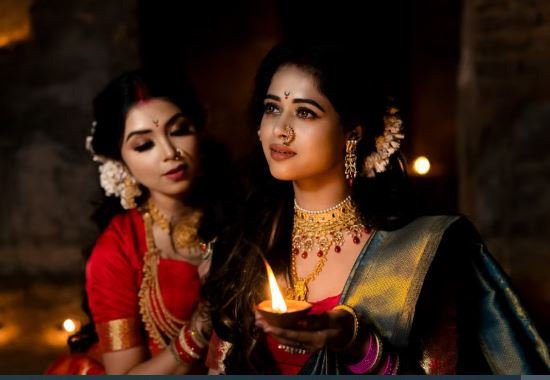
Diwali is one of the most important shopping occasions in India, bringing a seasonal boost to the fashion and jewellery market. As households prepare for celebrations, family gatherings and festive gifting, spending on ethnic clothing, traditional ornaments and premium accessories often gains momentum. This demand creates business opportunities across the retail value chain, from established fashion brands and jewellery stores to local boutiques, textile manufacturers and independent artisans.
For businesses, the festive season is not simply about selling more products. It is an opportunity to understand changing consumer preferences, strengthen customer relationships and generate revenue during a period of heightened shopping activity. The growing appeal of designs that combine traditional craftsmanship with contemporary styling is also reshaping how brands plan their festive collections.
Ethnic Fashion Combines Heritage with Changing Consumer Preferences
Traditional clothing remains central to Diwali celebrations, with sarees, lehengas, embroidered suits and festive kurtas continuing to attract shoppers. However, consumers are also exploring contemporary designs that offer greater comfort and versatility. Pre-draped sarees, coordinated sets, jacket-style anarkalis and modern silhouettes allow shoppers to retain a festive appearance while adapting to changing lifestyles.
Rich colours such as emerald green, ruby red, royal blue and deep plum remain popular choices for evening celebrations, while softer shades offer understated options for daytime gatherings. Fabrics such as silk, brocade and Chanderi continue to appeal to consumers who value texture, craftsmanship and cultural significance.
This blend of tradition and modern design gives fashion businesses room to serve different customer groups. Premium labels can focus on intricate detailing and exclusive collections, while smaller retailers can compete through affordable festive wear, regional designs and personalised service.
The commercial opportunity lies in offering products that reflect the occasion without losing sight of comfort, quality and price. Consumers increasingly want clothing that can be worn beyond a single festival, making versatility an important consideration for designers and retailers.
Jewellery Demand Spans Traditional Craftsmanship and Contemporary Designs
Jewellery remains an important part of festive purchases, whether bought to complement an outfit, mark a special occasion or serve as a gift. The market covers a wide range of spending preferences, from fine gold and gemstone jewellery to silver ornaments and affordable fashion accessories.
Traditional designs such as jhumkas, chandbalis, kundan and polki pieces continue to appeal to shoppers who value heritage-inspired craftsmanship. Emerald accents and colourful gemstones add variety to festive collections, while contemporary earrings, lightweight necklaces and oxidised silver designs attract consumers seeking distinctive styles at different price points.
For jewellery retailers, this diversity creates opportunities to reach both premium buyers and customers with more modest budgets. Clear product information, dependable quality and a well-planned range can help businesses respond to these varied needs.
The category also supports a wider network of economic activity, including jewellery manufacturing, stone setting, metalwork, design and retail employment. Demand for handcrafted products can provide additional opportunities for skilled artisans, although the benefits depend on order volumes, pricing and the share of value reaching producers.
Premium Festive Collections Create Opportunities for Fashion Brands
The Diwali season gives designers and premium labels an opportunity to introduce limited-edition collections built around distinctive fabrics, detailed embroidery and refined craftsmanship. For consumers, these products offer a way to mark special occasions with something different from everyday clothing.
However, premium positioning alone does not guarantee sales. Customers are increasingly conscious of how much value a purchase offers, including the quality of materials, durability, design and opportunities to reuse an outfit on other occasions.
Brands that develop versatile festive collections can appeal to shoppers who want their purchases to remain useful after the celebrations. For businesses, this approach can also help differentiate products in a competitive market where numerous retailers are targeting the same seasonal demand.
Small Businesses and Artisans Benefit from Festive Spending
The economic impact of festive shopping extends well beyond large retail chains. Local boutiques, independent designers, textile traders, tailoring units, jewellery makers and handicraft businesses can all participate in the seasonal market.
Higher order volumes can create work for weavers, embroiderers, garment workers, craftspeople and retail staff. Regional textiles and handcrafted jewellery can also gain visibility when shoppers seek products with a distinct cultural identity.
Digital commerce has widened these opportunities. Social media, online catalogues and e-commerce platforms allow smaller businesses to reach customers outside their immediate markets. At the same time, digital promotion requires careful spending, reliable fulfilment and consistent product quality to turn customer interest into profitable sales.
For many small enterprises, the key challenge is managing cash flow and inventory. Businesses need to purchase materials, prepare collections and arrange staffing before sales are fully realised. Overstocking can leave retailers with unsold seasonal merchandise, while inadequate stock may lead to missed sales. Accurate demand estimates and disciplined inventory planning are therefore essential to protecting margins.
Consumer Spending and Retail Competition Shape the Season
Festive demand can strengthen retail activity, but the outcome varies across product categories, income groups and locations. Some households may prioritise premium clothing or fine jewellery, while others focus on affordable accessories, smaller purchases or essential expenses.
As a result, retailers must balance attractive collections with realistic pricing. Promotional offers may encourage purchases, but excessive discounting can reduce profitability. Businesses that provide a clear range of prices, trustworthy product details and convenient shopping experiences are better positioned to serve customers with different budgets.
For the wider economy, festive purchases support activity across retail, manufacturing, logistics, packaging and related services. Yet higher sales do not automatically translate into higher profits. Input costs, rent, wages, marketing expenses and unsold inventory all influence the final financial outcome.
Diwali Fashion Reflects a Wider Opportunity for India’s Retail Economy
The demand for ethnic wear, traditional jewellery and premium festive collections highlights the commercial importance of India’s festival-driven shopping economy. It connects consumer spending with a broad network of retailers, manufacturers, designers and skilled artisans, creating opportunities for both established brands and smaller enterprises.
The businesses best placed to benefit are those that understand their customers, manage inventory carefully and offer a balance of quality, design and affordability. Investing in distinctive products and reliable service can be more valuable than pursuing sales volumes alone.
Ultimately, Diwali fashion is about more than seasonal trends. It demonstrates how cultural traditions can sustain commercial activity, support livelihoods and create opportunities across India’s retail economy. When festive demand is matched by sound business planning, the season can deliver value to consumers while strengthening the businesses and skilled workers behind the products they choose.
