
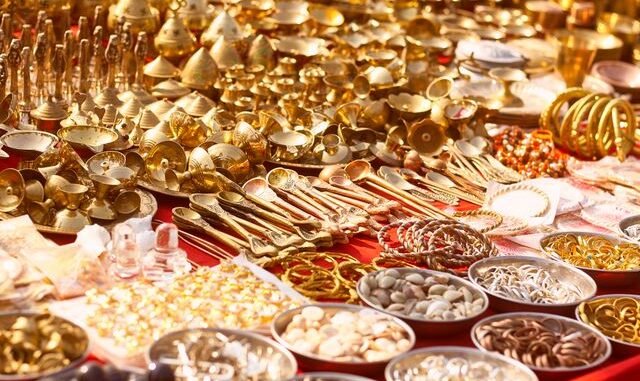
Dhanteras is traditionally associated with prosperity, new purchases and the beginning of Diwali celebrations. Gold, silver and household utensils remain popular choices, but the way people approach festive shopping is gradually changing. Eco-Friendly Dhanteras is becoming an opportunity to combine traditional celebrations with responsible consumption, encouraging households to choose products that are useful, durable and kinder to the environment.
Rather than focusing only on expensive purchases and decorative items, more consumers are exploring handmade products, reusable household essentials and locally produced gifts. This shift reflects a wider interest in sustainable living and gives small businesses and traditional artisans an opportunity to reach new customers.
Sustainable Shopping Takes Centre Stage
Festive shopping often leads to unnecessary purchases, excessive packaging and products that are quickly discarded. A more sustainable approach encourages people to think about the usefulness and durability of what they buy.
On Dhanteras, households can choose practical kitchenware, reusable metal containers, handcrafted décor and products made from responsibly sourced materials. Gold and silver purchases can remain part of family traditions, while other meaningful alternatives can help people celebrate without putting pressure on their budgets.
The idea is simple: buy something that adds value to everyday life instead of purchasing items only for the occasion.
Handmade Diyas and Traditional Crafts Gain Attention
Clay diyas, terracotta decorations, handwoven products and traditional metalware offer an opportunity to bring local craftsmanship into festive celebrations. These products also create demand for artisans and small manufacturers who depend on seasonal sales.
Choosing locally made clay lamps instead of disposable decorative products can help support traditional pottery businesses. Reusable brass lamps and metal decorations can also remain part of household celebrations for years.
Such purchases connect festive traditions with livelihoods, helping small producers benefit from the growing interest in sustainable products.
Eco-Friendly Gifts Offer New Business Opportunities
Gift-giving is an important part of the festive season, and consumers have several alternatives to conventional packaged hampers. Indoor plants, handmade pottery, handloom products, reusable kitchen essentials and natural-fibre baskets can make thoughtful gifts.
This trend creates opportunities for small businesses, self-help groups, craft producers and sustainable product brands. Businesses that offer attractive designs, reliable quality and responsible packaging can appeal to consumers looking for gifts with practical value.
For retailers, sustainable festive collections can also help differentiate their products in a competitive market.
Reducing Waste Through Responsible Celebrations
A greener Dhanteras does not require major changes to traditional customs. Small decisions can make celebrations more responsible.
Households can use cloth or jute bags for shopping, avoid unnecessary plastic packaging, reuse festive decorations and choose natural materials where practical. Traditional oil lamps, seasonal flowers and reusable decorative items can also reduce dependence on disposable products.
Consumers should also avoid buying more than they need. Responsible shopping helps reduce waste while keeping festive spending under control.
The Economic Impact of Green Festive Shopping
The growing interest in sustainable products can benefit several sections of the economy. Local potters, weavers, metalworkers, small retailers and home-based entrepreneurs can gain additional income when consumers choose locally produced goods.
It can also encourage businesses to improve product quality, reduce packaging waste and explore more responsible manufacturing practices. As demand grows, sustainable festive products may create opportunities for new entrepreneurs and small brands.
However, businesses must ensure that their environmental claims are genuine. A product should not be marketed as sustainable simply because it is handmade or made from natural-looking materials. Durability, responsible sourcing, useful design and minimal waste are equally important.
Making Prosperity More Meaningful
Dhanteras is a celebration of wealth and well-being, but prosperity can also mean making thoughtful decisions for the home, community and environment. Choosing durable products, supporting local artisans and reducing unnecessary waste can give the festival a broader meaning.
An eco-friendly celebration does not mean giving up traditions or spending more money. It means making purchases with greater care and understanding their long-term value. As consumers become more conscious of their choices, a greener approach to Dhanteras can support both traditional livelihoods and a more responsible festive economy.
