
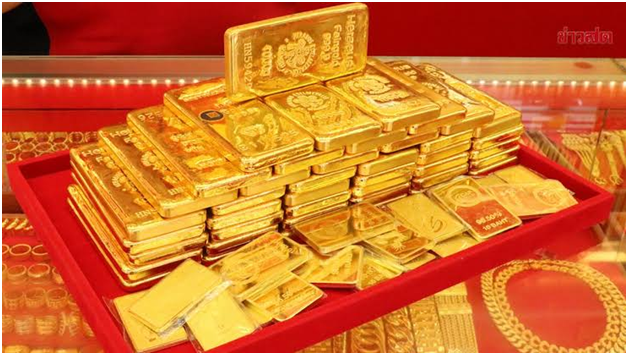
Precious metals entered November 23 with something they had been missing for most of the previous week: room to breathe.
Gold had just gone through one of its sharpest weekly selloffs in months. Silver had followed it lower, while platinum and palladium were also caught in the wider pressure coming from a strong US dollar and rising expectations for tighter Federal Reserve policy.
Then the mood changed slightly.
Markets did not suddenly turn dovish on the Fed. Traders still expected another rate increase in December. What changed was the size of the move they were preparing for. Expectations for a larger 50-basis-point hike eased, while a 25-basis-point increase remained the main scenario.
That small shift was enough to take some pressure off metals.
Gold climbed 2.4% to around $3,618 an ounce on November 23 after touching its lowest level since September 2025 at the end of the previous week. Silver gained 2.7%, while platinum and palladium also moved higher.
Why Metals Had Fallen So Hard
The recovery makes more sense when looking at what happened before it.
Gold lost about 9% during the previous week as gold investors adjusted to a much more hawkish US rate outlook. At the same time, a sharp selloff in technology and AI-related stocks created another problem. Some investors sold gold simply to raise cash and cover losses elsewhere.
That combination was difficult for the whole precious-metals group.
Higher interest-rate expectations pushed Treasury yields up. The dollar strengthened. Non-yielding assets such as gold became less attractive compared with bonds.
Silver had the same problem, but with more volatility.
Unlike gold, silver is both a monetary metal and an industrial commodity. When financial conditions tighten and growth expectations weaken at the same time, silver can get hit from both sides.
A Smaller Fed Hike Can Still Matter Before It Happens
One of the most important parts of this move is that the Fed had not actually changed rates on November 23.
The market changed its expectations.
That distinction matters.
When traders started reducing bets on a 50-basis-point December hike, the expected path for US rates became slightly less aggressive.
A 25-basis-point hike was still being priced in, so the market was not expecting easier policy. But the fear of a much larger move had faded.
For gold, sometimes that is enough.
Precious metals do not need rate cuts to rise. They can also recover when expectations simply become less restrictive than they were a few days earlier.
Why Interest Rates Matter So Much for Gold
Gold does not pay interest.
That becomes a disadvantage when yields on government bonds rise.
If investors can earn more from holding Treasury securities, gold has to compete with an asset that now offers a better return.
This is why gold often struggles when real yields rise.
The relationship can be seen in a simple way:
| Market Change | Usual Effect on Gold |
| Fed hike expectations rise | Pressure on gold |
| Treasury yields rise | Often negative |
| Dollar strengthens | Often negative |
| Rate expectations soften | Often supportive |
| Real yields fall | Usually supportive |
None of these works perfectly on its own.
But when the dollar, bond yields, and Fed expectations all move against gold at the same time, the pressure can become much stronger.
That was close to what happened during the previous week.
The Dollar Gave Metals Some Space
The dollar was another important part of Monday’s recovery.
It remained close to a 19-month high, but the rally paused as traders reduced bets on an aggressive December Fed move.
That pause matters because gold and most internationally traded metals are priced in US dollars.
When the dollar gets stronger, gold becomes more expensive for buyers using euros, yen, pounds, or other currencies.
When the dollar weakens or simply stops rising, that pressure eases.
This does not mean gold automatically rises whenever the dollar falls.
But after a large selloff, even a pause in dollar strength can give buyers a reason to return.
Why the November 23 Move Looked Like a Recovery, Not a Full Reversal
The rebound was strong, but the wider picture had not changed completely.
The market was still expecting a Fed hike in December.
Inflation was still high enough to keep tighter policy on the table.
The dollar remained historically strong.
So the November 23 move looked more like stabilization after heavy selling rather than the beginning of a clearly established bull move.
That difference is important.
Gold had fallen far enough for bargain buyers to start looking again. Short sellers also had an incentive to close positions and lock in gains.
Those flows can produce a sharp rebound even before the main macro trend turns.
Silver Had More Room to Bounce
Silver gained more than gold on the day, rising about 2.7% to $42.31 an ounce.
That is not unusual.
Silver tends to move more aggressively than gold in both directions.
When metals are selling off, silver usually falls faster.
When the market begins to recover, it can also rebound more quickly.
Part of this comes from the smaller size of the silver market.
Another part comes from its industrial role.
Silver is used in electronics, solar panels, electrical systems, and manufacturing. That gives it a different demand profile from gold.
If the dollar and interest-rate backdrop improves while growth expectations remain stable, silver can benefit from both investment demand and industrial demand.
Higher Volatility Cuts Both Ways
This also makes silver harder to read during unstable periods.
If markets become worried about recession, silver can struggle even while gold receives safe-haven demand.
If rate expectations soften without a major growth scare, silver may outperform.
That is why silver’s reaction to Fed expectations is usually less clean than gold’s.
Platinum and Palladium Joined the Move
Platinum rose around 1.2% on November 23, while palladium gained about 0.4%.
Their moves were smaller, but the same macro relief helped.
Both metals respond to the dollar and interest rates, yet industrial demand plays a much larger role than it does for gold.
Platinum and palladium are heavily used in the auto industry, especially in catalytic converters.
That means their outlook depends not only on monetary policy but also on vehicle demand, emissions rules, mine supply, and substitution between the two metals.
| Metal | Main Market Drivers |
| Gold | Rates, dollar, real yields, safe-haven demand |
| Silver | Rates, dollar, industrial demand, investment flows |
| Platinum | Auto demand, supply, dollar, industrial demand |
| Palladium | Auto demand, supply, substitution, industrial cycle |
This is why the whole metals complex can recover on the same day without moving by the same amount.
The Upcoming PCE Report Matters More Than the Rebound Itself
The next major test is US inflation data.
The October Personal Consumption Expenditures price index is due on November 25. It is closely watched because the Fed uses PCE inflation as one of its main measures of price pressure.
If the report shows inflation is still running hot, markets could bring back some of the larger hike expectations that faded on Monday.
That would probably put renewed pressure on gold and silver through higher yields and a firmer dollar.
A softer report could have the opposite effect.
If traders become more confident that a 25-basis-point move is enough, or begin to question the need for further tightening after December, metals could find more support.
Why Fed Expectations Can Move Metals Before the Fed Does
This week is a good example of how markets actually trade monetary policy.
The Fed did not need to make an announcement for gold to recover.
Traders simply changed the odds.
That adjustment moved the dollar.
It changed bond-market expectations.
It changed how attractive non-yielding metals looked.
By the time the Fed reaches its December meeting, some of the market reaction may already be behind us.
This is why precious metals traders spend so much time watching inflation data, Treasury yields, Fed speeches, and futures pricing between meetings.
Is the Recovery Sustainable?
The November 23 rebound removed some of the extreme pressure seen during the previous week, but it did not settle the bigger question.
Gold is still trading in an environment of high US rates and a strong dollar.
Silver remains vulnerable to both rate expectations and changes in the growth outlook.
Platinum and palladium still have their own industrial and supply-side problems to deal with.
For the rebound to become more convincing, metals would probably need a combination of softer inflation, lower Treasury yields, and a weaker dollar.
If those conditions begin to appear together, the recovery could extend.
If inflation stays firm and traders start pricing a more aggressive Fed again, Monday’s rebound may turn out to have been little more than a pause after heavy selling.
Final Thoughts
The November 23 recovery in precious metals did not come from a sudden change in Fed policy.
It came from a smaller change in expectations.
Markets became less worried about a large December rate hike, the dollar stopped pushing higher, and buyers returned after a steep weekly selloff.
That was enough to lift gold, silver, platinum, and palladium.
But the recovery is still tied closely to what happens next with US inflation and rate expectations.
The difference between a 25-basis-point hike and a 50-basis-point hike may sound small.
For metals, it can change the whole short-term picture.
