

Amritsar, May 13: High blood pressure, also known as hypertension, is a ‘silent killer’ because it usually does not have any symptoms or warning signs. However, it is one of the strongest preventable factors of heart disease, cardiac arrest, and stroke. This World Hypertension Day, we must discuss the direct damage that high blood pressure does to the heart. It leads to arterial stiffening, reduces cardiac efficiency, and can trigger life-threatening emergencies.
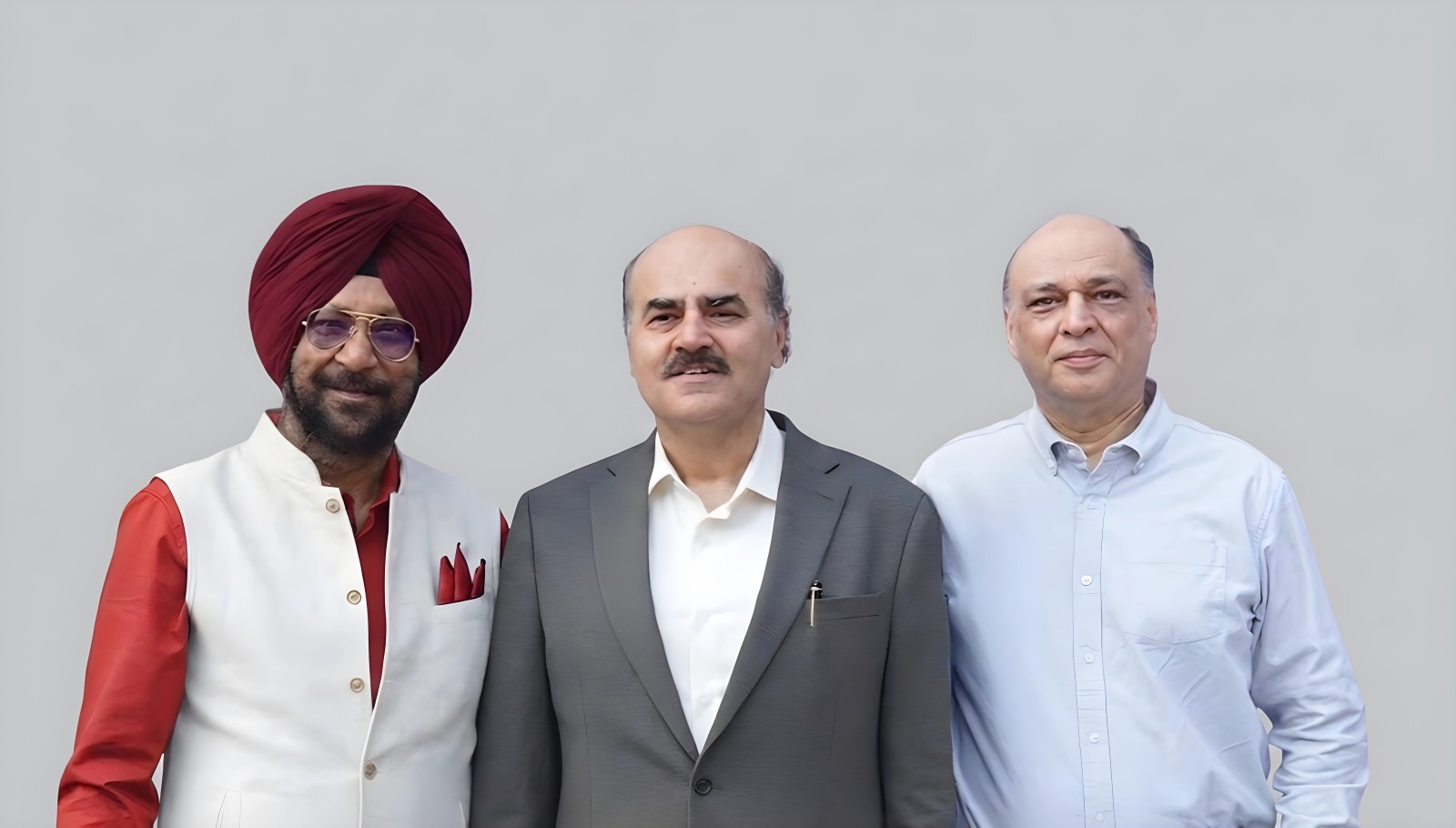
Dr. H.P. Singh, Director, Non-Invasive Cardiology, Dr. Arun Chopra, Director, Cardiology, and Dr. Deepak Kapila, Director, Cardiology, Fortis Escorts Hospital Amritsar shared expert insight on hypertension, focusing on arterial stiffness, cardiac arrest risk, symptoms, diagnosis, treatment, and prevention.
Understanding hypertension
Hypertension is a major cardiovascular risk in India, affecting nearly one in every three adults. Alarmingly, many remain unaware of their condition. This year’s theme for World Hypertension Day is to think outside the box and to understand how hypertension quietly changes the heart and blood vessels, making them more susceptible to sudden cardiac arrest and other emergencies.
Blood pressure is the force exerted by blood against the walls of your arteries as the heart pumps. Normal blood pressure can be defined as less than 120/80 mm Hg. Hypertension is diagnosed when blood pressure is persistently at or above 130/80 mm Hg.
Symptoms: The importance of regular checks
The majority of people with hypertension do not experiences any symptoms. You can only find out what your blood pressure is by getting it checked. Very high blood pressure (usually 180/120 mm Hg or higher) may cause:
- Severe headaches.
- Chest pain or dizziness.
- Difficulty breathing.
- Blurred vision or vomiting.
- Buzzing in the ears or nosebleeds.
- Confusion or an abnormal heart rhythm.
If you have high readings and experience any of these symptoms, get emergency help immediately.
Prevention
The good news is that hypertension can be prevented, detected, and managed effectively. Adopting a healthy lifestyle can help achieve healthy blood pressure levels for most people.
Do’s:
- Increase intake of vegetables, fruits, whole grains, and low-fat dairy (DASH diet).
- Get 150 minutes of moderate exercise (brisk walking, swimming) each week.
- Maintain a healthy weight.
- Follow your doctor’s instructions about medicine.
- Monitor your blood pressure at home.
- Learn to manage stress (yoga, deep breathing, meditation).
Don’ts:
- Increase intake of sodium. Limit to less than 2 grams (one teaspoon) daily.
- Consume foods that are rich in saturated or trans-fat.
- Smoke or use tobacco products.
- Drink too much alcohol (women 1 drink/day, men 2 drink/day).
- Miss or skip blood pressure medicine.
This World Hypertension Day, let us remember three things. Know your numbers, manage your blood pressure, and protect your heart today for a stronger tomorrow.