

London/New Delhi, Apr 28: In a significant moment for India’s growing influence in global healthcare, Burnett Homoeopathy Pvt. Ltd. hosted the 4th World Homoeopathy Summit 2026 at the historic Palace of Westminster in London, marking a new chapter in the international journey of homoeopathy.
Hosting a global medical summit at the British Parliament particularly within the House of Lords reflects a notable shift in how homoeopathy is being viewed at the global level. For an Indian organization to lead discussions in such a setting highlights not only the expanding reach of traditional medicine but also India’s role in shaping conversations around integrative healthcare.
Dr. Nitish Chandra Dubey, Founder and Chairman of Burnett Homoeopathy, stated that the summit represents a moment where homoeopathy is increasingly being engaged with through research, structured dialogue, and global collaboration. He noted that the focus is now on building stronger scientific frameworks and expanding international partnerships.
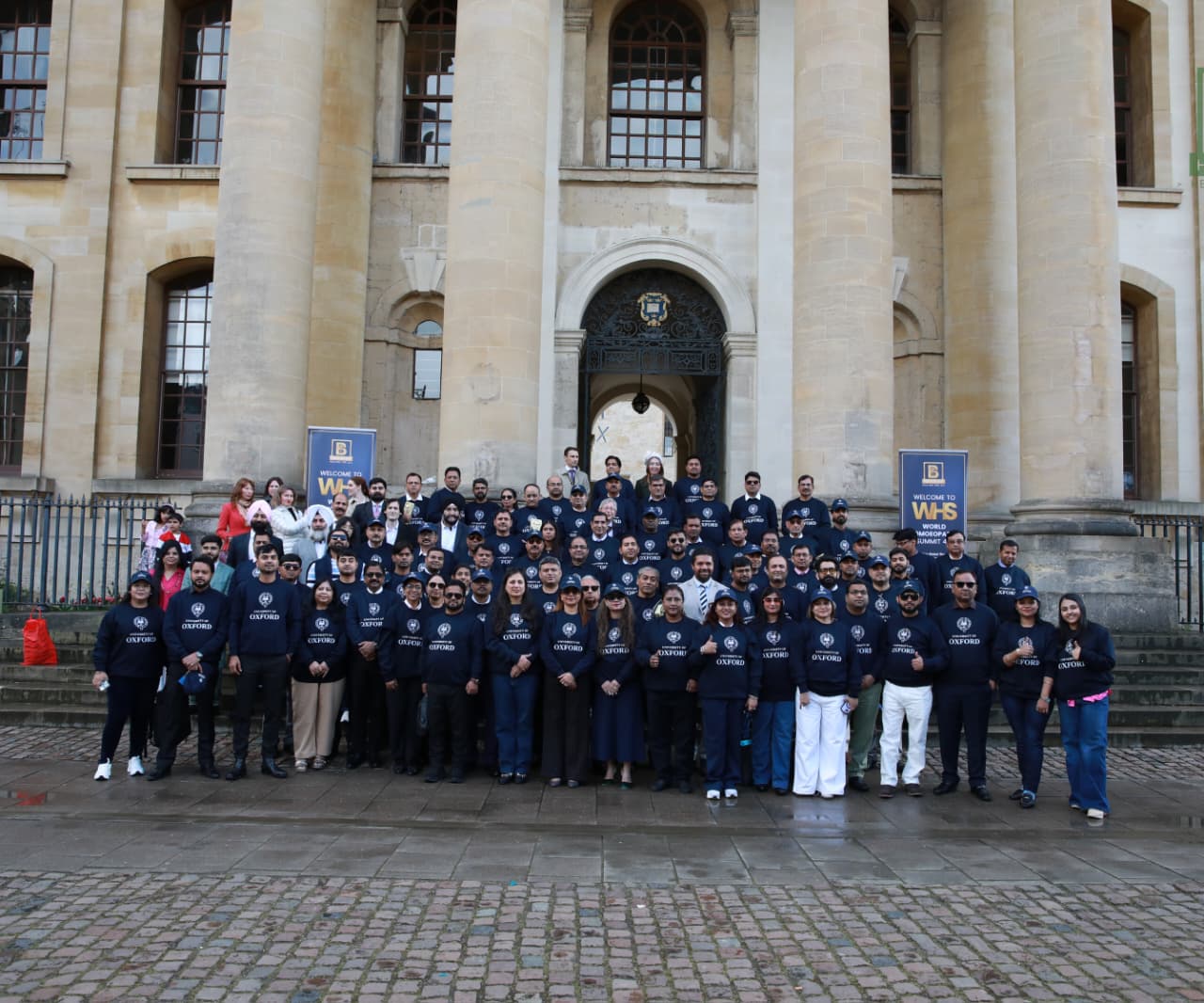
The summit brought together more than 150 doctors, researchers, and practitioners from across different countries, creating a platform for exchanging ideas, presenting research, and discussing the future direction of homoeopathy. Key areas of focus included sustainable healthcare models, clinical research, and the integration of traditional systems into modern medical practices.
The presence of senior policymakers and global representatives added significant weight to the event. British Member of Parliament Shivani Rajaand Lord Raval were in attendance, alongside senior representation connected to 10 Downing Street, including Myles Stacey. Their participation reflected increasing engagement from institutional stakeholders in exploring complementary healthcare approaches.
The summit also saw participation from internationally recognized cricketers, bringing a broader dimension to the event by linking homoeopathy with performance, recovery, and overall wellness. Notable names included Eoin Morgan, Alastair Cook, Stuart Broad, Jonathan Trott, and David Gower, highlighting the increasing acceptance of holistic approaches in high-performance environments.
In addition to the sessions held at the Parliament, the summit extended into globally renowned academic and scientific institutions such as University of Oxford and the Natural History Museum. These engagements emphasized the importance of academic collaboration, research integration, and interdisciplinary approaches in advancing homoeopathy on a global scale.
The event coincided with World Homeopathy Day, commemorating the birth anniversary of Samuel Hahnemann. Established in the late 18th century, homoeopathy has grown from its European roots into a widely practiced system, with India emerging as one of its strongest centres of practice and development.
Burnett Homoeopathy has contributed to this growth through its focus on research-oriented practice and global outreach initiatives. The London summit reflects the organization’s continued efforts to take homoeopathy beyond national boundaries and into international institutional frameworks.
While homoeopathy has historically been subject to debate in certain regions, discussions at the summit highlighted the need for continued research, documentation, and scientific validation. Experts emphasized that a structured approach to evidence and clinical outcomes will play a key role in shaping its future acceptance.
This milestone builds upon the success of Burnett Homoeopathy’s earlier Evidence-Based Research Summit in Goa, which established a strong foundation within India. The move from Goa to London represents a clear progression toward global engagement and wider recognition.
As healthcare systems worldwide evolve to address complex challenges such as chronic diseases and antimicrobial resistance, there is growing interest in integrative approaches that combine traditional knowledge with modern science. The summit reflects this shift, opening new avenues for collaboration and innovation.
Burnett Homoeopathy has indicated plans to continue expanding its global initiatives, strengthening research partnerships, and contributing to the ongoing development of homoeopathy as part of the broader global healthcare ecosystem.
