
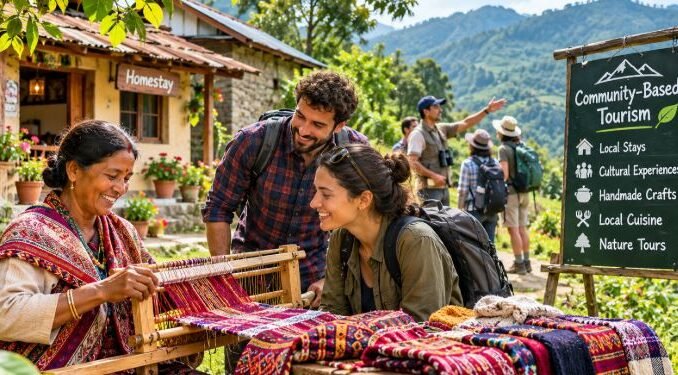
Tourism is no longer just about visiting popular destinations, staying in hotels and exploring famous attractions. More travellers are looking for meaningful experiences that connect them with local people, traditions, food and nature. This growing interest is creating new opportunities for community-based tourism, where local residents play an active role in welcoming visitors and managing tourism activities.
For local communities, this approach offers more than additional visitors. It creates opportunities for small businesses, supports employment and helps generate income from local skills, culture and natural resources. It can also help ensure that tourism benefits the people who live in a destination rather than allowing most of the revenue to flow to outside companies.
Community-Based Tourism Is Creating Space for Local Businesses
Community-based tourism puts residents at the centre of the travel experience. Instead of depending entirely on large hotels or external tour operators, communities can develop and manage their own tourism services.
This creates opportunities for families to operate homestays, farmers to welcome visitors to their farms, local guides to organise tours and craftspeople to sell traditional products. Even small businesses can benefit when travellers spend money on accommodation, food, transport and locally made goods.
For entrepreneurs in rural and lesser-known destinations, tourism can become an additional source of income. It also gives communities an opportunity to build businesses around resources and traditions they already have.
Homestays and Local Hospitality Create New Income Sources
Accommodation is one of the most direct business opportunities in community-based tourism. Local families can turn spare rooms or traditional homes into homestays, offering visitors a chance to experience everyday life in the area.
Farm stays and small eco-lodges can also attract travellers who prefer quieter destinations and closer connections with nature. These businesses allow residents to earn directly from visitors while creating demand for local food, cleaning services, maintenance and transport.
Unlike large hospitality projects, small accommodation businesses may be developed gradually, depending on local demand and available resources. However, maintaining hygiene, safety, service quality and online visibility remains important for attracting and retaining guests.
Local Experiences Give Small Entrepreneurs a Competitive Advantage
Many travellers are interested in experiences that go beyond sightseeing. They want to learn about local traditions, taste regional food, explore natural surroundings and understand the stories behind a destination.
This creates opportunities for local guides, performers, cooks, farmers and cultural practitioners. Residents can organise guided nature walks, village tours, cooking sessions, craft workshops and storytelling activities.
Such experiences can help destinations stand out while allowing local people to earn from their knowledge and skills. Tour operators and travel companies can also work with community groups to include these activities in travel packages.
The business value lies in offering something that visitors cannot easily find elsewhere: an experience connected to the identity of the place.
Traditional Crafts and Local Products Can Reach Wider Markets
Tourism can also strengthen small businesses that produce handmade goods and traditional products. Weavers, artisans, potters and other craftspeople can sell directly to visitors, reducing their dependence on intermediaries.
Local food products, textiles, souvenirs and handmade items can become an important part of the visitor experience. With suitable packaging, digital marketing and online sales channels, these businesses may also reach customers beyond the destination itself.
This creates an opportunity to preserve traditional skills while making them commercially valuable. It can also encourage younger people to take an interest in local crafts and family-based enterprises.
Local Supply Chains Multiply the Economic Benefits
The impact of tourism extends beyond businesses that interact directly with visitors. Guesthouses, restaurants and tour operators need regular supplies and services, creating opportunities for other local businesses.
Farmers can supply fresh vegetables, fruits and dairy products. Food vendors can provide regional meals, while local transport operators can offer travel services. Musicians, event organisers and cultural groups may also earn income through tourism activities.
When tourism businesses purchase locally, more money circulates within the destination. This strengthens connections between different sectors of the local economy and gives smaller suppliers access to a wider customer base.
Community Ownership Helps Keep Tourism Revenue Local
One of the main economic advantages of community-based tourism is its potential to reduce economic leakage. In conventional tourism models, a significant share of visitor spending may go to external hotel chains, investors or businesses based outside the destination.
Community-led enterprises offer another approach. When residents own businesses, employ local workers and purchase goods from nearby suppliers, a larger share of tourism income can remain within the community.
Cooperatives and shared business models can strengthen this approach. Residents can pool resources to manage accommodation, transport, guided tours or visitor facilities. The income can be distributed among members or reinvested in community priorities, depending on the organisation’s structure.
Employment and Skills Development Support Inclusive Growth
Community-based tourism can create work for people who may have limited access to other income opportunities, particularly in rural areas. Women, young people and local entrepreneurs can participate in accommodation, food services, handicrafts, guiding and cultural activities.
However, building a successful tourism business requires more than local knowledge. Training in hospitality, customer service, financial management, digital marketing and online booking systems can help residents operate professionally and compete in the wider travel market.
Access to digital platforms is particularly important. Small businesses can use social media, travel websites and online payment services to reach potential customers without depending entirely on larger operators.
Conservation and Cultural Heritage Can Create Long-Term Value
Natural landscapes, wildlife and cultural traditions are often the main reasons travellers visit a destination. Protecting these resources is therefore important not only for the community but also for the long-term success of local tourism businesses.
Income from nature-based and cultural tourism can support conservation activities, heritage preservation and community projects. Local residents may have a stronger incentive to protect their surroundings when they receive direct economic benefits from responsible tourism.
At the same time, tourism needs to be managed carefully. Too many visitors, poor waste management and damage to natural or cultural sites can weaken the very attractions on which local businesses depend.
Responsible visitor management, environmental awareness and community participation are essential for maintaining a balance between economic activity and conservation.
Challenges That Local Tourism Businesses Need to Address
Although community-based tourism offers promising opportunities, starting and managing these businesses can be difficult. Many communities face limited funding, inadequate infrastructure, inconsistent visitor demand and a lack of marketing experience.
Poor road access, unreliable internet connectivity and limited sanitation facilities can also affect the quality of the visitor experience. Small businesses may struggle to compete with established travel companies that have larger marketing budgets and stronger distribution networks.
Partnerships with government agencies, tourism organisations, financial institutions and responsible travel companies can help address these barriers. Training, affordable finance, better infrastructure and access to digital booking platforms can make it easier for local enterprises to grow.
It is equally important to ensure that communities have a genuine role in decision-making. Tourism development should reflect local priorities and should not place pressure on residents to change or commercialise their traditions.
Conclusion
Community-based tourism is creating a business model in which local people can benefit directly from travel demand. From homestays and guided experiences to traditional crafts, food businesses and local transport, it opens up opportunities for entrepreneurs across different sectors.
Its wider economic impact comes from keeping more visitor spending within the destination, supporting local employment and strengthening connections between businesses. When managed responsibly, it can also provide financial support for cultural preservation and environmental protection.
As travellers increasingly look for authentic and responsible experiences, community-based tourism has the potential to become an important source of local economic growth. Its long-term success, however, will depend on strong community participation, business skills, suitable infrastructure and a commitment to protecting the places and traditions that make each destination unique.
