
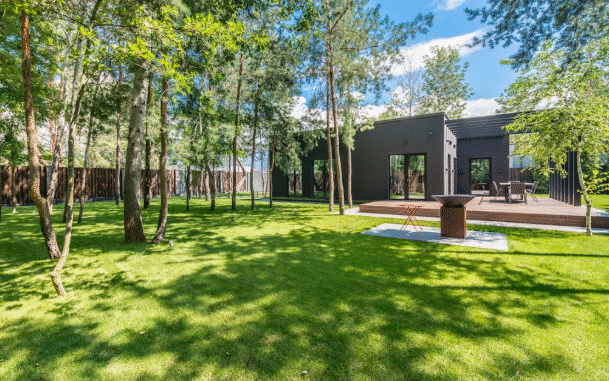

As climate concerns reshape the way we build and live, a quiet revolution is taking place in gardens, parks, residential communities, and urban spaces. Sustainable hardscaping is emerging as one of the most influential trends in landscape design, blending functionality, beauty, and environmental responsibility to create outdoor spaces that are as resilient as they are attractive.
A New Era for Outdoor Design
For decades, landscaping focused largely on aesthetics—lush lawns, paved driveways, decorative pathways, and expansive patios. While visually appealing, many of these traditional designs relied heavily on impermeable materials such as concrete and asphalt, which often disrupted natural water cycles and contributed to environmental challenges.
Today, the conversation around landscaping has changed. Rising urbanization, extreme weather events, water scarcity, and growing environmental awareness have encouraged designers and homeowners to rethink how outdoor spaces interact with nature.
This shift has given rise to sustainable hardscaping, a design philosophy that integrates eco-friendly materials, water-sensitive planning, and strategic planting to create landscapes that support both people and the planet.
Understanding Sustainable Hardscaping
At its simplest, sustainable hardscaping refers to the use of environmentally responsible materials and construction methods in outdoor spaces. Unlike traditional hardscaping, which often seals the ground beneath concrete or stone, sustainable hardscaping prioritizes permeability, allowing rainwater to soak into the earth naturally.
The goal is not merely to beautify outdoor environments but to make them active contributors to environmental health.
By combining permeable surfaces with thoughtfully selected vegetation, sustainable hardscaping helps manage stormwater, improve biodiversity, reduce flooding, and create healthier urban ecosystems.
Why Traditional Hardscaping Is Being Reconsidered
Cities around the world are increasingly facing the consequences of excessive hard surfaces.
When rain falls on concrete roads, parking lots, and paved courtyards, it has nowhere to go except into storm drains. This creates large volumes of runoff that can overwhelm drainage systems, increase flood risks, and carry pollutants into rivers and lakes.
At the same time, dark surfaces absorb and retain heat, contributing to the “urban heat island” effect, where cities become significantly warmer than surrounding rural areas.
Sustainable hardscaping addresses these challenges by allowing landscapes to function more like natural environments.
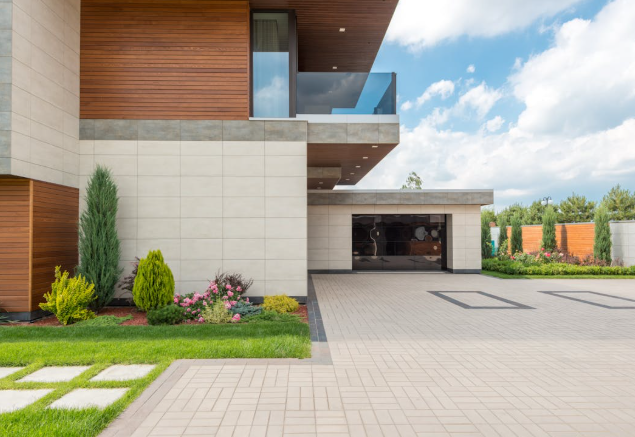
The Materials Driving the Change
One of the defining features of sustainable hardscaping is the use of permeable materials that encourage natural drainage.
Permeable Pavers
These specially designed paving systems contain small gaps filled with gravel or porous materials that allow water to filter through the surface. They are increasingly popular for driveways, patios, and walkways.
Porous Asphalt
Unlike conventional asphalt, porous asphalt contains interconnected spaces that allow water to move through the surface and into the soil below.
Gravel and Grass Grid Systems
Made from recycled materials, these grid systems provide stability while allowing vegetation to grow and water to infiltrate naturally.
Decomposed Granite
This natural aggregate offers a durable yet permeable solution for pathways, garden trails, and recreational spaces.
These materials demonstrate that sustainability does not require sacrificing functionality or visual appeal.
When Plants Become Infrastructure
One of the most exciting aspects of sustainable hardscaping is the way it integrates vegetation directly into landscape design.
Plants are no longer treated as decorative additions. Instead, they become functional elements that help manage water, improve air quality, and support biodiversity.
Rain Gardens
Rain gardens are specially designed planting areas that collect and absorb runoff from roofs, driveways, and paved surfaces. They reduce pressure on drainage systems while creating attractive habitats for birds and pollinators.
Bioswales
These shallow, vegetated channels guide and filter stormwater naturally. Bioswales are increasingly common in public parks, commercial developments, and residential communities.
Living Retaining Walls
Vegetated retaining walls combine structural support with greenery, helping prevent erosion while enhancing aesthetics.
Groundcover Planting
Low-maintenance groundcovers planted between pavers soften hard surfaces, improve water infiltration, and create visually appealing transitions between built and natural elements.
Environmental Benefits Beyond Beauty
The popularity of sustainable hardscaping is driven not only by design trends but also by its significant environmental advantages.
Groundwater Recharge
Permeable landscapes allow rainwater to seep back into underground aquifers, helping replenish local water supplies.
Flood Mitigation
By slowing and absorbing stormwater, sustainable hardscaping reduces the risk of flash flooding in urban areas.
Pollution Reduction
As water filters through soil and vegetation, pollutants are naturally removed before reaching groundwater or waterways.
Temperature Regulation
Green spaces and permeable materials absorb less heat than traditional concrete, helping cool surrounding environments.
Biodiversity Enhancement
Native plants attract birds, bees, butterflies, and other beneficial wildlife, strengthening local ecosystems.
Economic Advantages for Property Owners
Sustainable hardscaping is often viewed as an environmental investment, but it can also deliver long-term financial benefits.
Properties with eco-friendly landscaping frequently enjoy higher market values due to growing consumer interest in sustainability.
In addition, efficient drainage systems reduce the likelihood of costly water damage, while drought-tolerant planting lowers maintenance and irrigation expenses.
For businesses and municipalities, sustainable hardscaping can reduce infrastructure costs by minimizing stormwater management requirements.
The Rise of Climate-Resilient Landscapes
As climate change intensifies, resilience has become a key priority in landscape design.
Sustainable hardscaping helps communities adapt to changing weather patterns by creating outdoor environments capable of handling both heavy rainfall and extended dry periods.
Instead of fighting natural processes, these landscapes work alongside them.
They absorb excess water during storms, retain moisture during droughts, and support healthier ecosystems throughout the year.
Simple Ways Homeowners Can Get Started
Creating a sustainable landscape does not require a complete redesign.
Homeowners can begin with small, practical changes:
- Replace sections of concrete with permeable pavers.
- Install a rain garden to capture runoff.
- Use native plants that require less water and maintenance.
- Choose recycled aggregates and locally sourced materials.
- Add mulch to improve soil health and moisture retention.
- Harvest rainwater for irrigation.
Even modest improvements can make a meaningful difference.
The Future of Outdoor Spaces
Sustainable hardscaping is more than a landscaping trend—it represents a fundamental shift in how society views the relationship between built environments and nature.
As cities become denser and environmental challenges grow more complex, outdoor spaces will need to do more than provide beauty. They will need to manage water, support biodiversity, reduce heat, and contribute to climate resilience.
The landscapes of the future will not simply exist within nature—they will actively participate in it.
Conclusion
The transformation of modern landscapes is already underway. Sustainable hardscaping is proving that outdoor design can be both practical and environmentally responsible, offering solutions to some of today’s most pressing ecological challenges.
By combining permeable materials, strategic planting, and climate-conscious planning, this approach creates spaces that are healthier, more resilient, and better equipped for the future.
In a world increasingly defined by sustainability, the most successful landscapes may not be the ones that stand apart from nature—but the ones that grow alongside it.