
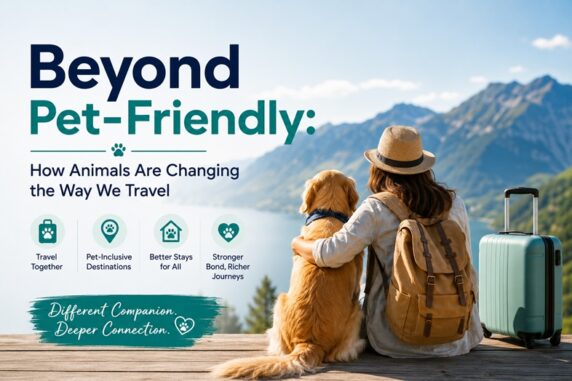

As pets become part of the holiday plan, hotels, airlines, destinations and travel platforms are rethinking what modern hospitality looks like
For many pet owners, planning a holiday once meant finding someone trustworthy to look after the family dog or cat. That is changing. Increasingly, pets are becoming part of the travel plan itself, influencing where people go, how they get there and where they stay. From road trips and pet-friendly resorts to outdoor cafés and specialised hotel services, pet-friendly travel is moving beyond a niche preference and becoming a noticeable part of the tourism economy.
The Holiday Starts With the Pet
Travel decisions are no longer based only on price, location and amenities. For pet-owning travellers, another question is becoming increasingly important: can my pet come too?
That question can determine everything from the destination to the mode of transport. A hotel with a beautiful pool may be rejected if pets are not permitted. A popular tourist attraction may be skipped if animals are not allowed nearby. A quieter destination with open spaces and pet-friendly accommodation can become the more attractive option.
The pet is, in effect, becoming another consideration in the travel decision.
Pet Travel Is Moving Into the Mainstream
The numbers suggest that the trend is gaining momentum. Booking.com’s 2025 research highlighted the growing demand for pet-friendly accommodation, with searches for such stays reaching more than 7 million in a single year.
The Indian market is showing similar signs of growth. Data reported by The Economic Times found that Air India carried more than 7,000 pets during FY2024-25, a 33.7% increase year on year. Akasa Air reported a 26% increase in pet bookings, while MakeMyTrip recorded a 43% rise in bookings for pet-friendly accommodation during the first four months of 2025.
These figures point towards a larger behavioural shift: travelling with pets is increasingly becoming a consideration when people plan holidays.
Road Trips Are Driving the Trend in India
For Indian pet owners, road travel offers something that many other forms of transport cannot easily provide: control.
Owners can stop for water, food and walks, adjust the pace of the journey and create a more comfortable environment for their pets. This makes road trips particularly attractive for families travelling with animals.
Booking.com research reported by ETTravelWorld found that 93% of Indian pet-owning travellers prefer road trips. The same research highlighted interest in pet-friendly restaurants, beaches, parks, nature experiences and accommodation.
This creates an opportunity for destinations along road-trip routes. Smaller towns, hill destinations and coastal locations that can provide open spaces and pet-friendly facilities may find themselves competing for a new category of traveller.
From Goa to the Hills, Destinations Are Adapting
India already has destinations where outdoor lifestyles make travelling with pets relatively convenient. Goa’s beaches, cafés and villa-style accommodation have long attracted pet owners, while hill destinations in Himachal Pradesh, Uttarakhand and parts of Kerala can appeal to travellers looking for walks, nature and open surroundings.
The opportunity, however, is not simply about being a “pet-friendly destination.” The entire visitor ecosystem needs to work.
A traveller may find a pet-friendly hotel but struggle to find a restaurant that accepts animals. They may discover a beautiful trail but find that transport options do not accommodate pets. The destinations that solve these small practical problems could gain a competitive advantage.
Hotels Are Redefining Pet-Friendly Hospitality
For hotels, putting a bowl of water in the room is no longer enough.
Modern pet-friendly hospitality can include pet beds, feeding bowls, designated walking areas, outdoor seating, cleaning facilities and transparent information about restrictions and additional charges. Some properties are also experimenting with pet menus, grooming services, treats and specialised packages.
This represents an important shift. Hotels are moving from allowing pets to designing experiences for pet-owning guests.
Pet Tourism Is About More Than Accommodation
The wider pet tourism market includes much more than hotels. Restaurants, cafés, transport providers, tour operators, resorts, parks and activity companies can all participate.
A destination could offer guided nature walks suitable for dogs. A resort could organise pet photography sessions. A café could create an outdoor pet-friendly section. A road-trip operator could build itineraries around pet-friendly stops.
These services can create additional spending opportunities while helping destinations build a recognisable identity among pet owners.
The Business Case for Welcoming Pets
Pet-owning travellers can represent an attractive customer segment because their spending often extends beyond accommodation.
Transport, food, pet supplies, grooming, activities and specialised amenities can all become part of the holiday budget. Hotels and resorts can therefore build premium packages around the needs of these travellers rather than treating pets as an operational inconvenience.
For boutique properties and independent hotels, this can be particularly useful. A genuine pet-friendly experience can provide differentiation in a crowded hospitality market.
Social Media Is Turning Pets Into Travel Influencers
There is another force accelerating the trend: social media.
A dog running along a beach, sitting beside a mountain view or relaxing at a resort can make highly shareable content. Pet owners often document their journeys, creating organic destination marketing in the process.
This gives tourism businesses an opportunity to work with user-generated content rather than relying entirely on traditional advertising. A genuinely enjoyable pet-friendly experience can encourage guests to tell the story themselves.
Technology Is Making Pet Travel Easier
The digital travel journey is changing as well. Online platforms increasingly allow travellers to identify pet-friendly accommodation before making a booking. Reviews provide another layer of information, helping people understand whether a property is genuinely convenient for animals.
This transparency is important because the phrase “pet-friendly” can mean different things. Some properties may accept only dogs below a certain size. Others may restrict access to restaurants, pools or common areas.
Clear digital information can therefore become part of the customer experience.
The Next Opportunity Is Personalised Pet Travel
As travel platforms become more personalised, pet-related preferences could become another standard part of the booking journey.
Imagine a traveller selecting “travelling with a dog” and receiving recommendations for suitable hotels, nearby parks, outdoor restaurants, walking trails and transport options. Such an experience would remove much of the research currently required to plan a pet-friendly holiday.
For travel technology companies, this represents an interesting opportunity to build more specialised travel discovery around pet owners.
The Challenges Have Not Disappeared
Despite the growth, travelling with pets still comes with complications. Airline rules vary, documentation may be required and additional charges can apply. Public transportation can be restrictive, while many tourist attractions and restaurants continue to prohibit animals.
There is also the question of responsible travel. Pet-friendly tourism needs to consider cleanliness, animal welfare, local regulations and the comfort of other travellers.
The industry’s challenge is therefore not simply to make more places pet-friendly, but to make them responsibly pet-friendly.
A More Inclusive Tourism Economy
The rise of pet travel reflects a wider change in consumer behaviour. Pets are increasingly considered part of the household, and that is influencing spending decisions far beyond the home.
Booking.com’s research illustrates the scale of the opportunity, while the growth reported by Indian airlines and travel platforms shows that the trend is becoming increasingly visible in the domestic market.
For tourism businesses, ignoring this customer segment could eventually mean missing a meaningful source of demand.
Four Paws, One Holiday
The future of pet-friendly tourism will not be defined simply by how many hotels allow animals. It will be defined by how well destinations understand the needs of people travelling with them.
That means better accommodation, clearer policies, easier transport, more outdoor experiences and digital tools that make planning simpler.
For travellers, the benefit is obvious: fewer compromises and more opportunities to share experiences with a beloved companion.
For tourism businesses, the opportunity is equally clear. The pet traveller is no longer an unusual guest. It is an emerging customer segment with specific needs, emotional motivations and spending potential.
The next great travel experience may therefore not be designed for two people, a family or a group of friends.
It may be designed for the entire family — including the member with four paws.