
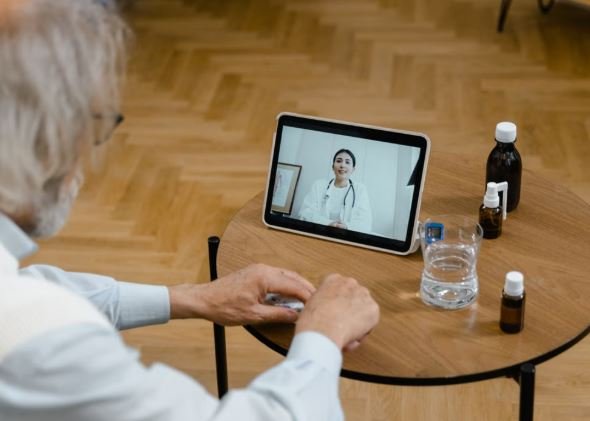
The future of healthcare is no longer limited to hospitals, clinics and traditional medicines. With the rapid growth of artificial intelligence (AI), smartphones, wearable devices and connected healthcare platforms, technology is changing how diseases are prevented, diagnosed and managed. Among the most promising developments is the rise of Digital Therapeutics (DTx), an innovative approach that uses clinically validated software to deliver medical interventions.
From helping people manage diabetes and insomnia to supporting smoking cessation and mental health treatment, digital therapeutics are opening new possibilities for patient care. As healthcare systems worldwide face rising costs, an ageing population and an increasing burden of chronic diseases, these technology-driven solutions are gaining attention from medical professionals, researchers and healthcare companies.
What Are Digital Therapeutics?
Digital therapeutics are evidence-based software programmes designed to prevent, manage or treat medical conditions. Unlike ordinary health and fitness applications, they are developed to deliver specific therapeutic interventions supported by scientific research and clinical evidence.
These solutions can be accessed through smartphones, computers, tablets and connected medical devices. Depending on their intended use, they may work independently or alongside conventional treatments, including prescription medicines and professional medical care.
For instance, a regular sleep-tracking application may simply record sleeping patterns. A digital therapeutic for insomnia, however, may provide structured Cognitive Behavioural Therapy for Insomnia (CBT-I) to help patients improve their sleep habits.
This distinction is important because not every healthcare application qualifies as a digital therapeutic. Clinical evidence, appropriate regulatory oversight and measurable health outcomes are central to establishing a product’s therapeutic value.
How Digital Therapeutics Are Changing Patient Care
One of the biggest advantages of digital therapeutics is their ability to extend treatment beyond traditional healthcare settings. Patients can receive structured support, monitor their progress and access therapeutic programmes from their homes.
Several areas are already benefiting from these developments.
1. Mental Health and Insomnia Treatment
Mental health is becoming an important area of digital healthcare innovation. Software-based interventions can provide structured behavioural support for people experiencing insomnia, anxiety and certain other mental health conditions.
For example, Sleepio offers a digital Cognitive Behavioural Therapy programme for insomnia. Such programmes can help users understand sleep-related behaviours and develop healthier sleeping habits.
Digital interventions may also improve access to mental health support, particularly in areas where specialist services are limited.
2. Diabetes Management Through Connected Technology
Digital healthcare is also changing the way people manage diabetes. Connected glucose monitoring systems, mobile applications and automated insulin delivery technologies are helping patients and healthcare professionals monitor blood sugar levels more effectively.
Some advanced systems use glucose measurements to adjust insulin delivery automatically, reducing the need for repeated manual intervention.
These technologies can support better disease management, although treatment decisions and device use should remain guided by appropriate clinical supervision.
3. Smoking Cessation and Behavioural Change
Quitting smoking can be difficult, particularly for individuals dealing with nicotine dependence. Digital programmes are introducing new ways to support behavioural change through reminders, educational resources, progress tracking and personalised guidance.
Clickotine is an example of a mobile-based smoking cessation programme designed to help individuals work towards quitting smoking.
4. Migraine Monitoring and Management
People living with recurring migraines often struggle to identify the factors that trigger their symptoms. Digital applications can help users record migraine episodes, monitor symptoms and recognise possible patterns.
Migraine Buddy, for example, allows users to track migraine attacks and related information. Although symptom-tracking applications can be useful in managing health conditions, tracking alone does not necessarily constitute a clinically validated digital therapeutic intervention.
Artificial Intelligence Is Giving Digital Healthcare a New Direction
Artificial intelligence is playing an increasingly important role in the development of technology-assisted healthcare. By analysing large amounts of health information, AI-powered systems can identify patterns, support risk assessment and help deliver more personalised interventions.
For example, wearable devices can collect information about heart rate, physical activity and sleep patterns. When combined with suitable analytical tools, this information can help identify changes that may require further attention.
Another emerging development is the use of Just-in-Time Adaptive Interventions (JITAIs). These interventions deliver support at moments when a patient may benefit most from it.
A digital platform, for instance, may send a medication reminder when a dose is due or provide a behavioural prompt when a user is at risk of returning to an unhealthy habit.
AI is also supporting remote patient monitoring, personalised health recommendations and clinical decision-support systems. However, these technologies must be properly tested, and AI-generated recommendations should not replace qualified medical professionals.
Global Digital Therapeutics Market Gains Momentum
The growing demand for digital healthcare solutions is attracting investment and innovation across the global healthcare industry.
Several factors are contributing to the expansion of the digital therapeutics sector:
- Rising chronic diseases: Increasing cases of diabetes, cardiovascular conditions and other long-term illnesses are creating demand for continuous disease management.
- Growing digital adoption: Smartphones, wearable devices and internet connectivity are making technology-assisted healthcare more accessible.
- Demand for personalised treatment: Patients and healthcare professionals are showing greater interest in solutions tailored to individual health needs.
- Expansion of telemedicine: Remote consultations and digital monitoring are creating opportunities to integrate software-based treatment into conventional healthcare.
- Regulatory developments: Governments and healthcare authorities are establishing frameworks to assess and support eligible digital health products.
Germany has introduced a notable reimbursement pathway through its Digital Healthcare Act, allowing qualifying digital health applications, known as DiGA, to be prescribed and reimbursed under specified conditions.
France has also introduced reimbursement mechanisms, including PECAN, for eligible innovative digital medical solutions.
In the United States, the Food and Drug Administration (FDA) regulates software that meets applicable medical-device requirements. However, regulatory classification and insurance reimbursement depend on the product’s intended purpose and applicable rules.
Why Healthcare Professionals Are Looking Beyond Traditional Treatment
Digital therapeutics are not intended to replace doctors, hospitals or conventional medicines. Instead, they can complement existing treatment by supporting patients between medical appointments.
For example, someone receiving treatment for high blood pressure may use a connected application to record blood pressure readings, monitor medication adherence and share relevant information with a healthcare professional.
This approach can improve patient engagement and provide clinicians with additional information about treatment progress.
The integration of digital tools into Electronic Health Records (EHRs) and clinical workflows may also help healthcare teams monitor patients more consistently.
However, the benefits depend on the quality of the technology, patient participation and its integration into established medical practices.
Challenges That Could Slow Down Digital Therapeutics Adoption
Despite their potential, digital therapeutics still face several challenges before they can become a routine part of healthcare.
Clinical validation: Healthcare professionals need reliable evidence that digital interventions deliver meaningful improvements in patient outcomes.
Data privacy and cybersecurity: Digital platforms collect sensitive medical and behavioural information. Protecting patient data through secure systems and appropriate consent mechanisms is essential.
Reimbursement difficulties: Unclear insurance coverage and differences in payment policies can make it difficult for companies to commercialise digital therapeutic products.
Digital accessibility: Limited internet connectivity, affordability and digital literacy can prevent some communities from benefiting from technology-assisted healthcare.
Clinical acceptance: Doctors and healthcare providers need confidence in the safety, effectiveness and reliability of digital interventions before incorporating them into routine treatment.
Addressing these challenges will be critical to building trust among patients, healthcare professionals and policymakers.
India’s Digital Healthcare Sector Could Benefit From the DTx Revolution
India is emerging as an important market for digital healthcare innovation. The country’s large population, expanding smartphone usage and growing burden of non-communicable diseases create significant opportunities for technology-assisted medical services.
Government initiatives such as the Ayushman Bharat Digital Mission (ABDM) are supporting the development of a connected digital health ecosystem.
The growing use of telemedicine, digital health records and mobile healthcare platforms could create opportunities for digital therapeutics in areas such as diabetes management, mental healthcare, cardiovascular disease prevention and rehabilitation.
Digital solutions may also help improve access to healthcare in rural and underserved communities, where specialist medical services can be difficult to access.
However, affordability, regional language support, clinical validation in Indian populations, data protection and regulatory clarity will play an important role in determining how successfully these solutions are adopted.
The Future of Healthcare May Be More Digital and Personalised
Digital therapeutics represent an important shift in the way healthcare is delivered. By combining clinical science with software, artificial intelligence and connected medical devices, they offer new opportunities to make treatment more continuous, personalised and accessible.
Their success, however, will depend on more than technological advancement. Strong clinical evidence, effective regulation, patient trust and collaboration between technology developers and healthcare professionals will determine their long-term impact.
As digital healthcare continues to evolve, one thing is becoming increasingly clear: the future of medicine will not depend solely on what happens inside hospitals and clinics. Technology-assisted treatment may increasingly become part of everyday healthcare, helping patients take a more active role in managing their health.
Digital therapeutics are not simply another healthcare technology trend. They represent a growing opportunity to connect medical science with everyday life and reshape the future of patient-centred care.
