
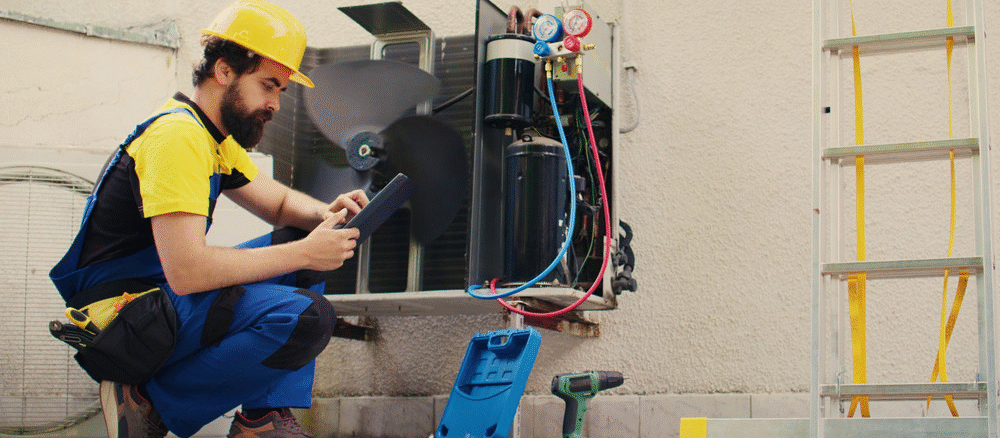

A furnace is one of the most important systems in any home because it keeps indoor spaces warm, comfortable, and safe during cold weather. When a furnace begins to malfunction, homeowners often notice uneven heating, unusual noises, higher utility bills, or weak airflow. These problems can quickly become frustrating if they are ignored for too long. A properly functioning furnace not only improves comfort but also helps maintain indoor air quality and energy efficiency. Because heating systems work hard throughout the colder months, regular maintenance and timely repairs are essential for preventing breakdowns and extending the life of the unit.
Many people fail to recognize the early warning signs of furnace trouble. In some cases, a minor issue such as a clogged filter or worn-out thermostat can place extra strain on the entire system. Over time, this added pressure may lead to expensive component failures. Homeowners who invest in routine inspections and prompt repairs often save money in the long run because they avoid major replacements and emergency service calls. Understanding how furnaces operate and knowing the common causes of failure can help homeowners make smarter decisions about maintenance and system care.
Why Furnaces Develop Problems Over Time
Every furnace experiences wear and tear as it ages. Heating systems contain many moving components that operate continuously during colder seasons. Blower motors, burners, heat exchangers, ignition systems, and thermostats all work together to provide consistent heat throughout a property. Over time, these parts can become dirty, worn, or damaged due to frequent operation. Dust accumulation, airflow restrictions, electrical problems, and neglected maintenance are among the most common causes of furnace failure.
One major issue that affects furnace performance is poor airflow. Dirty air filters prevent proper circulation and force the system to work harder than necessary. This strain can overheat internal components and reduce energy efficiency. Homeowners who neglect filter replacements often notice rising energy costs and reduced heating performance. Replacing filters regularly is one of the simplest ways to improve furnace efficiency and prevent avoidable repairs.
Thermostat malfunctions can also create serious heating issues. When a thermostat stops communicating properly with the furnace, the system may cycle too frequently or fail to turn on at all. Incorrect thermostat readings can make rooms feel colder than expected even when the furnace appears to be operating normally. In many situations, homeowners assume the furnace itself is broken when the real issue is related to thermostat calibration or wiring.
Another common cause of heating problems is ignition failure. Modern furnaces use electronic ignition systems instead of traditional pilot lights. If the ignition system becomes faulty, the furnace may struggle to start or may shut down unexpectedly. This problem can reduce comfort levels and eventually damage other components if left unresolved. Scheduling professional furnace repair as soon as these symptoms appear can help prevent larger mechanical failures later.
Signs That a Furnace Needs Immediate Attention
Many heating systems show warning signs before a complete breakdown occurs. Recognizing these symptoms early can help homeowners avoid costly repairs and uncomfortable indoor conditions. One of the most noticeable signs of trouble is unusual noise. Furnaces normally produce a low operating sound, but banging, squealing, rattling, or grinding noises may indicate loose components, blower motor problems, or airflow restrictions.
Uneven heating throughout the home is another common indicator of furnace issues. If some rooms feel warm while others remain cold, the system may be struggling to distribute heat evenly. This problem can result from ductwork leaks, clogged filters, failing blowers, or thermostat issues. Ignoring inconsistent temperatures may allow minor problems to become more severe over time.
Frequent cycling is also a sign that a furnace requires professional attention. A properly functioning furnace should maintain stable heating cycles based on thermostat settings. If the unit constantly turns on and off, it may be overheating, experiencing airflow restrictions, or operating with a malfunctioning thermostat. Frequent cycling not only increases energy consumption but also shortens the lifespan of the system.
Homeowners should also pay attention to rising utility bills. A sudden increase in heating costs often indicates that the furnace is no longer operating efficiently. Dirty burners, clogged filters, aging components, and airflow issues can all force the system to consume more energy. Addressing these problems promptly can restore efficiency and reduce monthly expenses.
Another serious warning sign is poor indoor air quality. A malfunctioning furnace may circulate excessive dust, allergens, or dry air throughout the home. In some cases, damaged heat exchangers can even create carbon monoxide risks. Because carbon monoxide is colorless and odorless, homeowners should always install functioning detectors and schedule inspections whenever unusual furnace behavior occurs.
The Importance of Regular Maintenance
Preventive maintenance plays a major role in keeping heating systems reliable and energy efficient. Many furnace failures occur because small issues remain unnoticed for long periods. Routine inspections help technicians identify worn components before they become major problems. Maintenance also improves system efficiency, reduces utility costs, and extends equipment lifespan.
Professional maintenance usually includes cleaning burners, inspecting electrical connections, testing safety controls, lubricating moving parts, and checking airflow performance. Technicians also inspect heat exchangers for cracks or corrosion that could create safety hazards. Regular servicing ensures the furnace operates safely while maintaining consistent heating performance.
Air filter replacement is one of the simplest but most effective maintenance tasks homeowners can perform themselves. Dirty filters reduce airflow and increase strain on the furnace. Depending on the filter type and household conditions, filters should generally be replaced every one to three months. Homes with pets or high dust levels may require more frequent replacements.
Keeping vents and registers clean is another important maintenance practice. Blocked vents prevent proper heat circulation and force the furnace to work harder. Furniture, rugs, and other objects should never obstruct airflow because restricted circulation can reduce efficiency and damage system components over time.
Annual inspections are especially important before winter begins. Many homeowners wait until their furnace stops working before seeking help, but preventive service can identify hidden issues early. Investing in professional furnace repair and maintenance before peak heating season helps reduce the likelihood of emergency breakdowns during extremely cold weather.
Common Furnace Components That Often Fail
Several furnace components are particularly vulnerable to wear and damage over time. Understanding these parts can help homeowners recognize potential issues earlier and communicate more effectively with technicians.
The blower motor is responsible for circulating warm air throughout the home. If the blower becomes damaged or worn, airflow may weaken significantly. Homeowners may notice strange noises, reduced heating efficiency, or inconsistent temperatures. Blower problems should be addressed quickly because they can place additional strain on other furnace components.
Flame sensors are another common source of trouble. These sensors ensure the burners ignite safely and correctly. When flame sensors become dirty or faulty, the furnace may shut down repeatedly as a safety precaution. Cleaning or replacing the sensor often resolves the issue and restores normal operation.
Heat exchangers are among the most critical furnace components. They transfer heat from combustion gases into the home’s air supply. Cracks or corrosion within the heat exchanger can create dangerous carbon monoxide leaks. Because of the serious safety risks involved, heat exchanger problems require immediate professional attention.
Capacitors and electrical components also fail frequently in aging furnaces. These parts help power motors and ignition systems. Electrical failures may prevent the furnace from starting or cause irregular cycling. Professional diagnosis is essential because improper handling of electrical systems can create safety hazards.
Ignition control modules are another component that commonly wears out in modern furnaces. When ignition systems malfunction, homeowners may notice delayed starts, clicking sounds, or complete startup failure. Timely furnace repair can often restore functionality before additional components become damaged.
Energy Efficiency and Furnace Performance
Energy efficiency has become increasingly important for homeowners seeking to reduce utility costs and environmental impact. Older furnaces often consume significantly more energy than modern high-efficiency systems. However, even newer furnaces can lose efficiency when maintenance is neglected.
One major factor affecting efficiency is airflow. Restricted airflow forces the furnace to run longer and consume more energy to maintain desired temperatures. Clean filters, unobstructed vents, and properly sealed ductwork all contribute to better system performance.
Thermostat usage also affects efficiency levels. Programmable and smart thermostats allow homeowners to adjust heating schedules automatically based on occupancy patterns. Lowering temperatures slightly while sleeping or away from home can reduce heating costs without sacrificing comfort.
Insulation and home sealing are equally important. Even the most efficient furnace will struggle if warm air escapes through poorly insulated walls, windows, or doors. Proper insulation reduces strain on the heating system and improves overall indoor comfort.
Routine servicing also contributes to energy savings. Dirty burners, neglected components, and aging parts reduce heating efficiency over time. Professional inspections help ensure the system operates at peak performance throughout the heating season.
When Repair Is Better Than Replacement
Many homeowners wonder whether they should repair an aging furnace or replace it entirely. The answer depends on several factors, including system age, repair frequency, energy efficiency, and overall condition.
If a furnace is relatively new and the repair is minor, repairing the system is usually the most cost-effective solution. Replacing components such as thermostats, capacitors, or flame sensors is often far less expensive than purchasing a new furnace.
However, older systems that require frequent repairs may become financially impractical to maintain. Furnaces typically last between 15 and 20 years depending on maintenance history and usage levels. Once a system approaches the end of its lifespan, ongoing repairs may exceed the value of keeping the unit operational.
Energy efficiency is another important consideration. Modern furnaces are significantly more efficient than older models. Upgrading to a high-efficiency system can reduce monthly heating costs while improving indoor comfort and air quality. Homeowners should compare long-term energy savings against repair expenses when making replacement decisions.
Safety concerns should never be ignored. Cracked heat exchangers, severe corrosion, or repeated carbon monoxide issues often justify immediate replacement. In these situations, continuing to operate the furnace can create serious health and safety risks for occupants.
How Professional Technicians Diagnose Furnace Issues
Professional technicians use a systematic approach when diagnosing heating system problems. The process typically begins with a visual inspection to identify obvious signs of wear, damage, or dirt accumulation. Technicians then test electrical connections, airflow performance, thermostat communication, and ignition systems.
Advanced diagnostic tools help measure gas pressure, electrical output, airflow efficiency, and temperature performance. These tests allow technicians to identify hidden issues that may not be visible during a basic inspection. Accurate diagnosis is essential because replacing the wrong component can waste both time and money.
Technicians also inspect safety systems carefully. Furnaces contain multiple protective features designed to prevent overheating, gas leaks, and combustion hazards. If any safety control malfunctions, the furnace may shut down automatically to prevent dangerous conditions.
Communication with homeowners is another important part of the repair process. Experienced professionals explain the cause of the issue, discuss available solutions, and provide maintenance recommendations to prevent future problems. Choosing qualified technicians for furnace repair ensures repairs are completed safely and correctly.
Tips for Extending Furnace Lifespan
Homeowners can significantly extend the lifespan of their furnace by following a few important maintenance practices. Regular filter replacement remains one of the most effective ways to reduce strain on the system. Clean filters improve airflow, protect internal components, and maintain energy efficiency.
Scheduling annual inspections is equally important. Professional servicing helps identify hidden issues before they escalate into expensive failures. Technicians can clean components, tighten electrical connections, and ensure safety systems function properly.
Keeping the area around the furnace repair clean also helps maintain performance. Dust, debris, and clutter can interfere with airflow and create fire hazards. Homeowners should avoid storing flammable items near heating equipment.
Monitoring thermostat settings can reduce unnecessary strain on the system. Constantly adjusting temperatures forces the furnace to cycle more frequently. Consistent settings help maintain stable operation and improve efficiency.
Paying attention to unusual sounds, odors, or heating inconsistencies allows homeowners to address problems early. Prompt furnace repair often prevents minor issues from becoming major mechanical failures that require expensive replacements.
Final Thoughts on Maintaining Reliable Heating Performance
A reliable furnace is essential for maintaining indoor comfort, energy efficiency, and household safety during colder months. Heating systems naturally experience wear over time, but regular maintenance and timely repairs can significantly reduce the risk of major breakdowns. Understanding common furnace problems helps homeowners recognize warning signs early and take appropriate action before conditions worsen.
Ignoring small issues often leads to larger and more expensive repairs. Dirty filters, airflow restrictions, thermostat malfunctions, and worn components can all affect heating performance and increase utility costs. Routine inspections, professional servicing, and proper maintenance practices help ensure the furnace continues operating efficiently for many years.
Homeowners who invest in preventive care usually experience fewer unexpected breakdowns and lower long-term operating costs. Whether addressing minor repairs or considering a system replacement, making informed decisions about heating equipment can improve comfort, safety, and overall home efficiency. By prioritizing maintenance and seeking professional assistance when necessary, homeowners can keep their heating systems dependable throughout every winter season.