
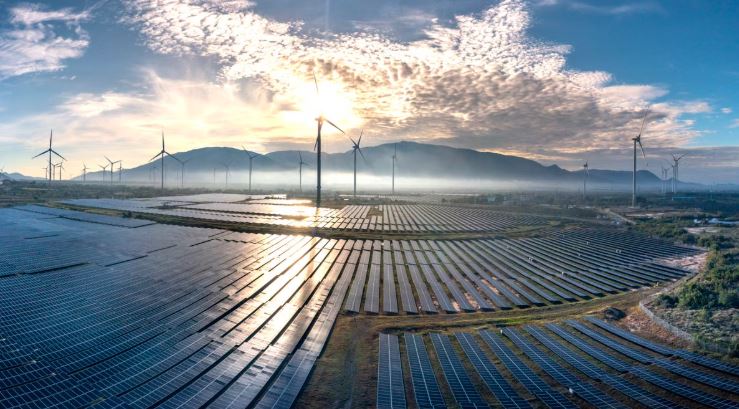
Dubai is positioning itself as a leading destination for green technology and sustainable business innovation, using clean energy investment, smart infrastructure and business-friendly policies to reshape its economic future. Known for its rapid urban development and energy-intensive infrastructure, the city is increasingly focusing on renewable power, resource efficiency and low-carbon technologies to support long-term growth.
At the centre of this transformation is the Dubai Clean Energy Strategy 2050, which aims to make 75% of Dubai’s energy production capacity come from clean energy sources by 2050. The strategy reflects a wider ambition to reduce carbon emissions, improve energy security and create new opportunities for businesses developing sustainable technologies.
For Dubai, sustainability is becoming more than an environmental priority. It is emerging as a business opportunity that can attract investment, encourage entrepreneurship, create skilled jobs and strengthen the emirate’s position as an international centre for innovation.
Clean Energy Is Creating New Business Opportunities
Dubai’s renewable energy expansion is opening opportunities across solar power, energy storage, smart grids and energy management. As the emirate increases its investment in clean electricity, businesses are finding new ways to supply the technology and services needed to support the transition.
The Mohammed bin Rashid Al Maktoum Solar Park is a major part of this effort. Developed in phases, the project is designed to reach a planned production capacity of 5,000 megawatts by 2030. Its development supports demand for solar panels, engineering services, grid infrastructure, equipment maintenance and digital monitoring systems.
These opportunities extend beyond large energy projects. Commercial buildings, hotels, warehouses, factories and residential developments are increasingly important markets for energy-efficient equipment and renewable energy solutions.
Companies that help businesses reduce electricity consumption, improve building performance and manage energy use can benefit from growing demand for cost-effective sustainability measures.
For entrepreneurs, the clean energy transition creates room for specialised service providers, technology startups and engineering businesses that can help organisations lower operating costs while meeting environmental objectives.
Green Technology Is Reshaping Dubai’s Business Ecosystem
Dubai is developing an ecosystem in which environmental innovation can support commercial growth. Its approach combines infrastructure investment, specialised business zones, research initiatives and efforts to attract international companies.
One important platform is Dubai Silicon Oasis, which supports technology companies and innovation-driven businesses. The emirate also has specialised sustainability infrastructure, including the Dubai Green Zone initiative and the Dubai Integrated Economic Zones Authority’s wider business ecosystem, which can help companies explore opportunities in advanced technology and sustainable development.
For green businesses, the wider advantages of operating in Dubai include access to international markets, established logistics networks and a diverse base of commercial customers. These conditions can be valuable for companies developing clean energy systems, environmental monitoring technologies, smart building solutions and resource-efficient industrial equipment.
The opportunity is not limited to companies producing new technology. Consultants, project developers, maintenance providers and sustainability specialists can also serve businesses seeking to reduce their environmental footprint.
As sustainability becomes more closely linked to corporate strategy, companies capable of demonstrating measurable environmental and financial benefits are likely to find stronger commercial opportunities.
Sustainable Buildings Are Becoming a Growth Market
Buildings are central to Dubai’s sustainability ambitions because cooling, lighting and water use are significant parts of urban resource consumption. The city’s hot climate and expanding commercial property market make energy efficiency an important operational consideration.
Green building technologies can help developers and property owners manage these demands. Smart thermostats, efficient cooling systems, building automation, improved insulation and intelligent energy monitoring can reduce consumption while maintaining comfortable indoor environments.
For commercial property operators, these measures can help control electricity bills and improve the long-term performance of buildings. Developers can also use sustainability features to respond to changing tenant expectations and environmental standards.
The market creates opportunities for engineering firms, construction companies, energy consultants and technology suppliers. Businesses that combine efficient design with reliable performance data can help property owners understand the financial value of sustainable investment.
Over time, the integration of renewable electricity, smart cooling and digital building management could make sustainability a more important factor in Dubai’s commercial real estate competitiveness.
Water Conservation and the Circular Economy Offer Further Potential
In a desert environment, water efficiency is both an environmental priority and an economic necessity. Dubai’s growing population, tourism industry and commercial infrastructure create demand for reliable water management and more efficient resource use.
Technologies such as smart irrigation, leak detection, wastewater treatment, water recycling and advanced monitoring systems can help reduce waste across buildings, industrial facilities and landscaping projects.
These solutions offer opportunities for technology developers, engineering companies and service providers that can demonstrate reliable savings. Hotels, residential communities, manufacturers and public infrastructure operators may all benefit from improved water management.
The circular economy is another emerging area of commercial interest. Rather than treating waste as a final disposal problem, circular business models seek to recover materials, extend product life and return resources to productive use.
Recycling, construction-waste recovery, reusable packaging and electronic-waste processing can create business opportunities while reducing pressure on landfills and raw material supplies.
For businesses, the commercial case depends on efficient collection systems, reliable processing technology and sufficient demand for recovered materials. Partnerships between government, industry and technology providers can help make these models more practical at scale.
Government Policies Are Supporting Sustainable Investment
Dubai’s green transition is supported by long-term energy planning, sustainability initiatives and efforts to develop an innovation-friendly business environment. The wider UAE framework also includes the national Net Zero by 2050 Strategic Initiative, which aims to support the country’s transition towards climate neutrality.
Policy direction matters to businesses because major sustainability investments often involve substantial upfront costs and long payback periods. Clearer standards, predictable regulations and access to financing can improve investment confidence.
Companies may also find opportunities through public-sector projects, partnerships with infrastructure developers and demand from private organisations seeking to improve energy and resource efficiency. However, eligibility for individual incentives or programmes depends on the relevant authority, business activity and project requirements.
For entrepreneurs entering the market, understanding local licensing rules, technical standards and procurement procedures is essential. Environmental claims must also be supported by credible data, particularly as customers and investors pay greater attention to the measurable impact of sustainability initiatives.
Dubai’s ability to attract green investment will depend not only on its ambitions but also on how effectively businesses can develop, finance and implement commercially viable solutions.
Green Finance Is Becoming Important for Sustainable Growth
The expansion of sustainable business requires access to capital. Renewable energy facilities, energy storage systems, water treatment projects and low-carbon industrial technologies can require significant initial investment before financial returns become visible.
Green finance can help support these projects through instruments such as sustainability-linked loans, green bonds and other forms of funding tied to environmental objectives. Financial institutions can also support businesses by assessing the long-term value of energy savings, resource efficiency and climate-related risk reduction.
For small businesses, financing remains a particular consideration. A company may recognise the benefits of installing solar panels or upgrading cooling equipment but struggle to fund the initial expenditure.
Financing models that spread costs over time, alongside credible measurement of savings, can help make sustainable upgrades more accessible. Technology providers that offer energy audits, installation and ongoing monitoring may also be better placed to demonstrate the business case to customers.
As the market develops, transparent reporting and reliable performance data will be important in ensuring that green finance supports genuine environmental improvements rather than unverified claims.
Challenges That Green Businesses Must Overcome
Despite the opportunities, sustainable business innovation in Dubai faces practical challenges. Some technologies remain capital-intensive, while the economics of individual projects can depend on energy prices, financing costs, operating conditions and regulatory requirements.
New businesses must also compete with established international suppliers and demonstrate that their solutions work reliably in the region’s demanding climate. Technologies designed for cooler markets may require adaptation to high temperatures, dust and intensive cooling requirements.
Another challenge is measuring environmental performance accurately. Businesses need credible methods to calculate emissions reductions, energy savings and water efficiency rather than relying solely on broad sustainability claims.
For startups, securing customers can be as important as developing technology. Partnerships with property developers, industrial operators, utilities and government-linked projects may help businesses test solutions and establish a commercial track record.
These challenges highlight the importance of practical innovation. Technologies that combine environmental benefits with clear cost savings, dependable performance and manageable maintenance requirements are more likely to achieve wider adoption.
The Road Ahead for Dubai’s Green Economy
Dubai’s investment in clean energy, efficient buildings, water conservation and resource recovery reflects a broader effort to connect sustainability with economic development. The transition is creating potential markets for technology companies, engineering firms, financial institutions and entrepreneurs capable of delivering measurable improvements.
The emirate’s long-term success will depend on converting strategic ambitions into commercially viable projects that deliver lasting environmental and economic value. This requires continued investment, skilled workers, supportive regulation and collaboration between public authorities and private businesses.
For companies considering expansion into the region, green technology offers opportunities across renewable energy, smart infrastructure, sustainable construction and circular business models. However, success will depend on understanding local market conditions and developing solutions that meet genuine customer needs.
Green technology and sustainable business innovation are increasingly becoming part of Dubai’s economic strategy. By combining infrastructure development with entrepreneurship and practical environmental solutions, the city is seeking to build a more resource-efficient economy while strengthening its position in the global market for sustainable innovation.
