
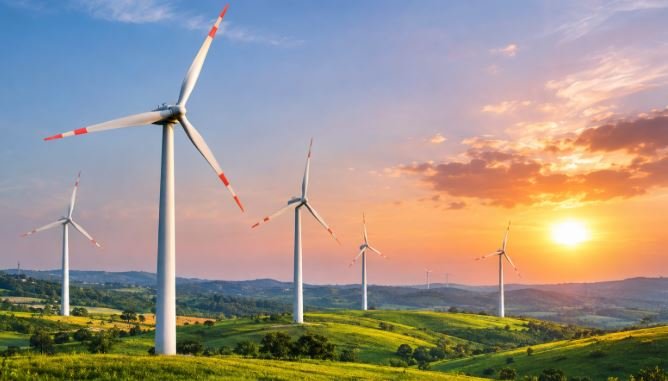
India’s wind energy sector is moving into an exciting phase of development. Rising electricity demand, growing investment in renewable power and stronger domestic manufacturing capabilities are creating fresh momentum across the industry. What was once seen primarily as an alternative source of electricity is now becoming an important part of India’s energy strategy, industrial development and future business landscape.
The country’s progress reflects the growing importance of wind power in building a cleaner and more dependable energy system. As of September 30, 2026, India had an installed wind energy capacity of 59.20 GW, up from 21 GW in March 2014. This nearly threefold increase highlights the steady expansion of the sector and India’s growing position in the global renewable energy market.
India currently ranks fourth in the world in installed wind power capacity. With ambitions to reach 100 GW by 2030 and 156 GW by 2036, the industry is preparing for another significant period of growth. These targets are creating opportunities for investors, manufacturers, infrastructure developers and technology companies across the country.
A Strong Natural Advantage for Wind Energy Development
India has considerable wind energy potential, giving the country a strong foundation for future expansion. Estimates place its gross wind power potential at 695.5 GW at a height of 120 metres and 1,163.9 GW at 150 metres above ground level.
Several states are particularly well positioned to benefit. Rajasthan, Gujarat, Maharashtra, Karnataka, Andhra Pradesh and Tamil Nadu account for major wind resource potential. Madhya Pradesh and Telangana also offer opportunities for further development, while new locations could help broaden the geographical reach of the industry.
This potential is attracting attention from renewable energy developers and businesses involved in engineering, construction, equipment supply and power infrastructure. Identifying suitable locations, improving transmission access and bringing projects into operation will be important to turning these natural resources into productive investments.
The National Institute of Wind Energy has established more than 900 wind-monitoring stations across the country to assess resources and identify promising sites. This work provides valuable information for project planning and supports more informed decisions by developers.
Domestic Manufacturing Strengthens India’s Wind Energy Industry
One of the most encouraging developments is the expansion of India’s wind turbine manufacturing sector. The growth of domestic production is helping build a stronger industrial base while creating opportunities for businesses across the supply chain.
Wind energy projects depend on a wide range of components, including turbine blades, towers, gearboxes, generators and electrical systems. India’s manufacturing capacity for wind turbines has grown from around 10 GW in 2014 to approximately 24 GW as of March 2026. The sector has also achieved an estimated 70–80 per cent indigenisation across key components.
This progress is important for the wider economy. A stronger domestic supply chain can reduce dependence on imported equipment, support local manufacturers and create demand for engineering and technical services.
Small and medium-sized enterprises also have an opportunity to benefit. Companies supplying industrial components, electrical equipment, fabrication services and maintenance solutions can become part of the expanding wind energy ecosystem.
As the market grows, India can also strengthen its position as a supplier of wind energy equipment and related services to international markets.
Record Installations Signal Growing Market Confidence
The expansion of wind energy is being supported by a growing pipeline of projects. India added a record 6.05 GW of wind power capacity during FY 2025–26, surpassing its previous annual record of 5.4 GW in FY 2016–17.
A further 28 GW of capacity is under implementation, offering a substantial pipeline of work for developers, manufacturers, contractors and infrastructure companies.
Wind power is also contributing to a more balanced electricity supply. Nearly 45 per cent of wind generation takes place during peak demand hours, helping complement solar energy and improve the availability of renewable electricity.
During FY 2025–26, India generated 106.7 billion units of wind power. This demonstrates the sector’s growing contribution to national electricity requirements and its importance in supporting a more diversified energy mix.
For businesses and investors, these developments point to a market with expanding demand and opportunities across project development, equipment manufacturing and supporting services.
Government Support Creates a More Favourable Investment Environment
Government initiatives are playing an important role in accelerating wind energy development. Financial support, policy measures and regulatory improvements are helping address some of the challenges associated with large renewable energy projects.
A major development is the approval of ₹6,853 crore in viability gap funding for 1,000 MW of offshore wind projects. The proposed projects comprise 500 MW each off the coasts of Gujarat and Tamil Nadu.
This initiative is expected to support the early development of India’s offshore wind industry, where projects require specialised equipment, significant investment and advanced engineering capabilities.
Other measures are aimed at improving market demand and making renewable electricity procurement easier for businesses. These include dedicated wind energy obligations under Renewable Purchase Obligations, Green Energy Open Access Rules and transparent bidding guidelines.
A government task force constituted in January 2026 is also examining challenges related to regulation, land availability, transmission infrastructure and project implementation. Addressing these issues will be essential to attracting investment and ensuring that planned projects progress efficiently.
Offshore Wind Opens a New Chapter for Industrial Growth
Offshore wind could become one of the most promising areas of India’s renewable energy development. By placing turbines in coastal waters, developers can access substantial wind resources and create new opportunities for large-scale clean power generation.
However, offshore projects require more than turbines. They depend on suitable ports, marine engineering, specialised installation equipment, subsea cables and reliable transmission connections.
This creates potential business opportunities for port operators, infrastructure companies, equipment manufacturers and engineering service providers. The proposed projects in Gujarat and Tamil Nadu could help establish the foundations for this emerging industry.
International cooperation will also be important. India’s partnerships with countries such as the United Kingdom, Denmark, Belgium and Germany are supporting knowledge sharing in offshore wind development, technology, financing and grid integration.
These relationships can help Indian businesses gain access to international expertise while strengthening domestic capabilities.
Technology Will Shape the Next Generation of Wind Power
As India’s wind energy capacity expands, technology will play an increasingly important role in improving performance and managing renewable electricity more effectively.
Artificial intelligence-based forecasting can help predict wind availability and support better electricity scheduling. Digital monitoring systems can track turbine performance, identify maintenance requirements and reduce unexpected interruptions.
Modern turbine technology is also helping developers make better use of available wind resources. At the same time, combining wind and solar power through hybrid projects can provide a more balanced supply of renewable electricity.
Energy storage and round-the-clock renewable power solutions offer further opportunities. These models can help businesses and electricity providers manage fluctuations in renewable generation while improving supply reliability.
For technology companies, the expanding market creates demand for software, forecasting systems, energy management platforms and advanced storage solutions.
New Opportunities for States, Businesses and Employment
The growth of wind energy can deliver economic benefits well beyond electricity generation. New projects create demand for construction, transportation, equipment installation, maintenance and specialist engineering services.
Expanding into emerging wind energy regions such as Madhya Pradesh, Telangana and Odisha could also encourage investment beyond India’s established renewable energy centres.
The industry is creating demand for skilled professionals in electrical and mechanical engineering, project management, turbine maintenance, data analysis and renewable energy operations. Educational institutions and technical training providers can play an important role in preparing workers for these emerging opportunities.
For local businesses and communities, a growing wind energy industry can support employment, encourage investment and strengthen regional industrial development.
India’s Wind Energy Future Holds Significant Business Potential
India’s journey towards 156 GW of wind energy capacity by 2036 represents an important opportunity for the country’s renewable energy and manufacturing industries. The combination of strong natural resources, expanding domestic production, government support and international partnerships provides a promising foundation for continued growth.
The next phase will require faster project development, stronger transmission infrastructure, greater investment in technology and continued improvements in the business environment. Offshore wind, hybrid renewable energy projects and advanced manufacturing are likely to create additional opportunities as the industry develops.
For businesses, wind energy is no longer simply a part of the clean power conversation. It is an expanding market with opportunities across manufacturing, infrastructure, engineering, technology and services.
As India works towards its long-term renewable energy ambitions, wind power is set to play an increasingly important role in strengthening energy security, supporting industrial development and creating new avenues for economic growth. The sector’s progress offers a positive outlook for investors, businesses and skilled professionals looking to participate in India’s evolving clean energy economy.
