
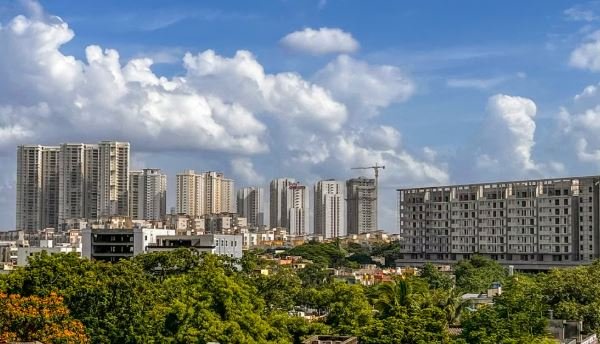
India’s real estate industry is witnessing a meaningful transformation. Across its growing cities, developers are embracing a new approach to construction that places sustainability alongside location, design and commercial value. Green buildings are becoming an increasingly important part of this change, reflecting a market that is evolving with the expectations of modern businesses, homebuyers and investors.
The shift is also creating a promising business opportunity. As urbanisation accelerates and demand for residential and commercial spaces continues to expand, sustainable construction is helping developers create properties that offer more than attractive architecture. Energy efficiency, water conservation, healthier indoor environments and responsible material selection are becoming valuable features that can strengthen a project’s long-term appeal.
India’s commitment to achieving net-zero emissions by 2070 has further strengthened the importance of sustainable development. For the real estate sector, this transition represents an opportunity to combine commercial growth with responsible construction practices. Developers who integrate sustainability into their projects from the beginning are positioning themselves to participate in one of the industry’s most important growth areas.
Green Buildings Are Reshaping India’s Real Estate Market
India’s rapid urban expansion is creating demand for millions of new homes, modern office spaces, retail developments and mixed-use projects. Alongside this growth, awareness of environmental performance is influencing how properties are designed and developed.
Green buildings are designed to use resources more efficiently while providing comfortable and functional spaces for occupants. Features such as natural lighting, improved ventilation, energy-efficient cooling, rooftop solar systems, rainwater harvesting and wastewater recycling are becoming increasingly relevant to modern construction.
For developers, these features offer a way to differentiate projects in a competitive marketplace. A property designed around efficiency and sustainability can appeal to buyers seeking lower utility expenses, businesses pursuing environmental goals and investors looking for assets with stronger long-term prospects.
Sustainability is therefore becoming an important part of real estate planning, rather than an additional feature introduced after a project’s core design has been completed.
Stronger Demand for Green Commercial Spaces
Commercial real estate is emerging as an important growth area for sustainable construction. Businesses are increasingly considering the environmental performance of their workplaces as part of their wider corporate sustainability commitments.
In major commercial markets such as Bengaluru, Mumbai, Hyderabad and Delhi-NCR, green-certified office developments are helping developers attract companies that value energy efficiency, employee well-being and responsible business practices.
These properties can offer advantages through better lighting, improved indoor air quality, efficient cooling systems and lower resource consumption. Such features contribute to a more comfortable workplace while supporting businesses in managing their operating expenses.
Industry reports have indicated that certain green-certified Grade A office properties can command rental premiums of up to 25%, depending on location, building quality, certification and market conditions. This highlights the potential commercial value of sustainable development, particularly in markets where corporate occupiers are seeking high-quality office environments.
For developers, green certification and measurable building performance can strengthen a project’s market position and help build lasting relationships with corporate tenants.
Energy Efficiency Creates Long-Term Financial Value
One of the strongest advantages of green construction is its potential to reduce the cost of operating a property.
Traditional buildings can consume significant amounts of electricity and water through lighting, cooling, ventilation and everyday operations. Sustainable design helps manage these expenses through efficient equipment, better insulation, smart energy controls and responsible water management.
Industry estimates suggest that well-designed green buildings can reduce energy consumption by approximately 25% to 35% and water usage by 30% to 60%. Actual savings depend on building design, local climate, occupancy levels, technology and maintenance practices.
These efficiencies can create financial benefits throughout a property’s life cycle. Developers who retain commercial assets can improve operating performance through lower utility expenses. Residential developers can also use the prospect of reduced electricity and water costs to strengthen the appeal of their projects among prospective homebuyers.
Although sustainable features may involve additional investment during construction, their long-term benefits can make them a valuable part of project planning. Assessing a building through its total cost of ownership provides a more complete picture of its financial performance.
Government Support Strengthens the Investment Opportunity
Government initiatives are adding momentum to India’s green-building sector. Various state-level policies encourage sustainable construction through incentives for projects that meet specified environmental standards.
Depending on the applicable regulations, benefits may include additional Floor Area Ratio (FAR) or Floor Space Index (FSI), reductions in certain approval fees and other development-related incentives.
Maharashtra and Punjab have introduced measures associated with encouraging green-certified buildings. These initiatives can support developers by improving project economics and making sustainable construction more attractive.
The availability of incentives varies across states and local authorities, so developers need to follow the latest government notifications and eligibility requirements when preparing project plans.
Alongside these measures, India’s broader focus on energy efficiency, renewable energy and sustainable urban development is creating a favourable environment for responsible construction.
A Large Market Opportunity Across the Construction Ecosystem
India’s future building requirements offer substantial potential for the green-construction industry. A significant share of the building stock expected by 2030 is yet to be developed, creating an opportunity to integrate sustainability into new residential and commercial projects.
Market estimates cited by the International Finance Corporation have placed India’s green-building investment potential at approximately US$1.4 trillion. This estimated opportunity reflects the scale of potential investment across the sector rather than a guaranteed future market value.
The business potential extends beyond property developers. Architects, engineering consultants, construction companies, material manufacturers, renewable energy providers and facility-management businesses are also positioned to benefit from growing demand for sustainable buildings.
This wider ecosystem is encouraging innovation and creating opportunities for companies that provide energy-efficient products, low-carbon materials, water-management solutions and smart building technologies.
Technology Is Making Sustainable Buildings More Competitive
Technology is playing an increasingly important role in the development and management of green buildings.
Internet of Things (IoT) sensors, smart meters and automated building-management systems allow operators to monitor energy and water consumption more effectively. Intelligent lighting and cooling systems can adjust usage according to occupancy and operating conditions, helping reduce unnecessary resource consumption.
Building Information Modelling (BIM) is also improving construction planning. By creating detailed digital representations of projects, BIM helps architects, engineers and contractors coordinate their work, identify design conflicts and minimise material waste.
The growing availability of low-carbon cement, recycled steel, energy-efficient glass and other sustainable construction materials is further supporting the transition.
For developers, these technologies offer practical business benefits. Better project coordination, improved resource management and efficient building operations can strengthen asset performance while supporting environmental objectives.
Green Certifications Add Value and Market Credibility
Recognised certification systems are helping developers demonstrate their commitment to sustainable construction. Standards such as LEED, IGBC and GRIHA assess buildings across several environmental performance areas, including energy efficiency, water conservation, material selection, indoor environmental quality and sustainable site planning.
For real estate companies, these certifications can strengthen market credibility and provide buyers, tenants and investors with a recognised measure of environmental performance.
Green certification can also support the requirements of corporate occupiers and institutional investors that increasingly consider ESG factors when making property-related decisions.
The strongest results come when certification is supported by actual building performance. Regular monitoring, effective maintenance and responsible facility management ensure that sustainability continues throughout the property’s operational life.
Developers Are Building a More Sustainable Competitive Advantage
The growth of India’s green-building market is creating opportunities for developers to rethink how they design, finance and manage real estate projects. Sustainable construction can support better resource efficiency, improve tenant appeal and help properties remain competitive as market expectations evolve.
The transition also encourages collaboration across the industry. Developers, architects, technology companies, material suppliers and financial institutions can work together to deliver projects that combine environmental responsibility with commercial performance.
With increasing urban demand, supportive policy initiatives and advances in construction technology, green buildings are becoming an important part of India’s real estate growth story.
Building a Stronger Future for Indian Real Estate
India’s real estate sector is entering a new era in which sustainable development is increasingly connected to business performance and long-term value creation. Green buildings are demonstrating how responsible construction can support efficient operations, attract quality occupiers and create stronger opportunities across the property market.
For developers, this shift offers a chance to lead through innovation, thoughtful design and better resource management. Companies that make sustainability an integral part of their business strategy can build properties that respond to changing market needs while contributing to more resilient cities.
As India’s urban landscape continues to expand, green construction is set to play an increasingly important role in shaping the country’s built environment. The opportunity is not simply to construct more buildings, but to create better-performing assets that deliver value to businesses, residents, investors and communities.
The future of Indian real estate is taking shape through smarter design, responsible construction and sustainable investment. Developers who embrace this transformation today will help build not only the next generation of properties, but also a stronger and more competitive real estate industry for tomorrow.
