
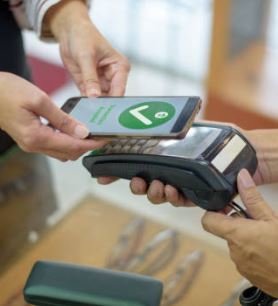
Ireland’s payment landscape is undergoing a significant transformation as consumers increasingly move away from cash and embrace digital alternatives. From mobile wallets and contactless cards to instant money transfers and app-based banking, digital payments are changing how people shop, manage money and interact with businesses. What was once considered a convenient alternative to cash has gradually become a preferred payment method for a growing section of the population.
This shift reflects more than technological progress. It highlights changing consumer expectations, particularly among younger generations who value speed, convenience and seamless financial experiences. As digital payment services become more widely accepted across retail stores, restaurants, transport networks and online platforms, businesses are adapting their operations to meet these expectations.
Mobile Wallets Are Changing Everyday Spending
Mobile wallets such as Apple Pay and Google Pay have become an important part of everyday transactions in Ireland. Consumers can now make payments using smartphones and smartwatches without carrying physical cards or cash.
Younger consumers have been particularly quick to adopt these services. For many people under 35, mobile payments have become a natural part of shopping, dining and travelling.
The growing popularity of digital wallets is also changing what consumers expect from retailers. Customers increasingly prefer quick checkout experiences, fewer payment steps and secure transactions. Businesses that offer convenient digital payment options can improve the shopping experience and reduce friction at the point of sale.
The Gradual Decline of Cash Transactions
Cash continues to have a place in Ireland’s economy, but its role in everyday spending is becoming smaller. The declining frequency of ATM withdrawals reflects a broader preference for electronic transactions.
Consumers increasingly use cards, mobile wallets and banking applications for purchases that were traditionally completed with cash. This change is particularly visible in supermarkets, convenience stores, hospitality businesses and other retail environments.
However, the transition does not mean that physical cash has become unnecessary. Older consumers, people in rural communities and individuals who prefer traditional banking methods may continue to depend on cash. Maintaining access to cash remains important for financial inclusion, particularly for people who face difficulties using digital services.
Contactless Payments and Money Transfer Apps Gain Ground
Contactless technology has made everyday transactions faster and more convenient. Consumers can complete purchases by tapping a card or mobile device, reducing the need to enter PINs for eligible transactions.
At the same time, peer-to-peer payment applications have changed how people transfer money. Services such as Revolut allow users to split bills, send money to friends and manage everyday expenses through mobile applications.
These services are becoming particularly relevant among younger consumers, students and working professionals who prefer managing their finances digitally.
For businesses, the growing acceptance of contactless and app-based payments creates opportunities to serve customers more efficiently. It also encourages merchants to invest in modern payment terminals, integrated billing systems and digital transaction management.
Generational and Regional Differences in Digital Adoption
Although digital payments are becoming more common across Ireland, adoption is not uniform.
Younger consumers are generally more comfortable using mobile wallets, banking applications and online financial services. Older generations may still prefer physical cards, cash or familiar banking methods.
Geographical differences also influence adoption. Urban centres such as Dublin benefit from wider digital infrastructure, higher smartphone usage and greater availability of contactless payment facilities. In some rural communities, access to reliable internet connectivity, banking services and digital support can influence how quickly consumers adopt new payment technologies.
Addressing these differences will be important to ensure that the transition towards a digital economy does not leave certain groups behind.
What Digital Payments Mean for Irish Businesses
The expansion of digital payments is creating important opportunities across Ireland’s business landscape.
For retailers, restaurants, cafes and small businesses, accepting digital payments is increasingly becoming a basic customer expectation. Businesses that provide multiple payment options can make transactions more convenient and potentially attract customers who rarely carry cash.
Digital transactions also create electronic records that can simplify accounting, sales tracking and financial reconciliation. Small businesses can use these records to understand customer spending patterns, monitor revenue and improve financial planning.
However, adopting digital payment systems also involves costs. Transaction fees, payment infrastructure, software integration and cybersecurity investments can place pressure on smaller merchants. Businesses must balance convenience with affordability while choosing payment solutions that suit their operations.
Security and Consumer Trust Remain Important
As digital transactions increase, protecting financial information becomes a major priority. Online fraud, phishing attempts, account takeovers and unauthorised transactions can weaken consumer confidence.
Payment providers, banks and businesses must continue investing in stronger authentication systems, fraud monitoring and customer awareness.
Consumers also have a responsibility to protect their financial information by using secure applications, avoiding suspicious links and monitoring account activity.
Trust will play a central role in determining how successfully digital payments expand. Convenience alone is not enough; people must also feel confident that their money and personal information are protected.
The Digital Euro and the Next Phase of Payments
The proposed digital euro represents another important development in Europe’s evolving payment landscape. Designed as a digital form of central bank money, it aims to provide people with an additional payment option alongside cash and existing electronic payment services.
For Irish consumers, its introduction could create another way to make digital payments, depending on the final design and rollout.
However, consumer awareness, accessibility, privacy protections and ease of use will influence its acceptance. Its success will depend not only on technological infrastructure but also on whether people see practical benefits in using it.
A Changing Financial Landscape for Ireland
Digital payments are becoming an essential part of Ireland’s consumer economy. The growing use of mobile wallets, contactless cards and money transfer applications reflects a wider shift towards faster and more connected financial services.
For consumers, these developments offer convenience and greater flexibility in managing everyday spending. For businesses, they create opportunities to improve customer experiences, streamline operations and build more efficient payment systems.
Nevertheless, the transition must remain inclusive. Cash accessibility, digital literacy, cybersecurity and affordable payment infrastructure will continue to matter as Ireland moves towards a more digital financial environment.
The future of payments will not simply be about replacing cash with smartphones. It will be about building a financial system that gives consumers greater choice, helps businesses operate efficiently and makes everyday transactions more accessible, secure and convenient.
