
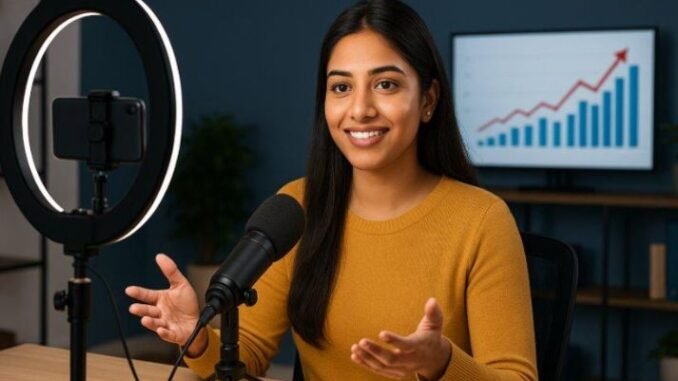
Influencer marketing is entering a new phase as businesses increasingly recognise the value of working with micro-influencers. Instead of spending large amounts on celebrity endorsements and popular social media personalities, brands are exploring partnerships with smaller creators who have built loyal communities around specific interests.
Micro-influencers, generally understood as creators with around 1,000 to 100,000 followers, are gaining attention for their ability to connect with audiences through relatable content and personal recommendations.
From fashion and beauty to food, fitness, technology and local businesses, companies are exploring these partnerships as part of their digital marketing strategies.
The shift reflects a change in how consumers discover products and make purchasing decisions. People are increasingly looking for reviews, recommendations and real experiences before choosing a product. Micro-influencers can help businesses communicate with these consumers in a more personal way.
Why Brands Are Choosing Micro-Influencers
One of the main reasons behind the growing popularity of micro-influencer marketing is the relationship creators develop with their audiences.
Unlike celebrities with millions of followers, smaller creators often focus on specific topics and communities. Their content may cover local food, fashion, skincare, travel, education or technology.
This allows brands to reach people who already have an interest in their products or services.
For example, a skincare company can collaborate with beauty creators who regularly share product reviews. A local restaurant can work with food bloggers to introduce its menu to nearby customers.
These partnerships can make advertising more relevant because the content reaches audiences who are already interested in the subject.
For businesses, the objective is not simply to increase followers or social media visibility. It is to connect with potential customers who may be more likely to engage with the brand.
Micro-Influencers Are Changing Digital Marketing
The growth of micro-influencers is changing how companies plan their social media campaigns.
Earlier, many brands focused on celebrity endorsements and large influencer partnerships to generate widespread attention. Today, businesses are increasingly exploring collaborations with multiple smaller creators to reach different audience groups.
This approach gives marketing teams more flexibility.
Brands can test different content styles, work with creators from different locations and understand which audiences respond best to their products.
Short-form videos, Instagram Reels, YouTube Shorts, product demonstrations and customer reviews are becoming important formats for these campaigns.
Another advantage is that businesses can develop content that feels less like a traditional advertisement. A creator sharing an everyday product experience can introduce a brand in a simple and relatable manner.
As digital advertising becomes more competitive, this type of targeted communication is becoming increasingly valuable.
Business Impact: New Opportunities for Small and Medium-Sized Companies
Micro-influencer marketing is creating opportunities for businesses that may not have the budget to work with celebrities or large influencers.
Small retailers, restaurants, start-ups and local service providers can collaborate with creators who have strong connections within their communities.
For example, a clothing store can partner with local fashion creators to showcase new collections. A restaurant can invite food influencers to review its dishes, while a fitness business can work with local health and fitness content creators.
These campaigns can help businesses increase awareness, attract enquiries and introduce their products to potential customers.
For growing companies, micro-influencer partnerships can also provide an opportunity to test new markets without committing to large advertising budgets.
However, the success of these campaigns depends on selecting the right creators and reaching the right audience. Lower collaboration costs do not automatically guarantee higher sales or better returns.
Regional Influencers Are Opening New Markets in India
India’s regional creator community is becoming an important part of the influencer marketing industry.
Creators producing content in regional languages can help brands connect with audiences who prefer information and recommendations in their own language.
This is particularly useful for businesses looking to expand into Tier 2 and Tier 3 cities.
For instance, an Odisha-based business can collaborate with Odia-speaking food, travel or lifestyle creators to promote its products and services to local audiences.
Similarly, brands operating in different states can work with regional creators who understand local preferences, culture and consumer behaviour.
This creates opportunities for smaller businesses to build visibility within specific markets rather than depending entirely on nationwide advertising campaigns.
Regional influencer partnerships can also help established brands introduce products to new customer segments.
The Rise of User-Generated Content and Brand Partnerships
Micro-influencers are also becoming valuable content partners for businesses.
Many companies now collaborate with creators to produce product reviews, tutorials, unboxing videos, customer testimonials and short promotional videos.
This content can be used beyond the creator’s original social media account, subject to agreed licensing and advertising permissions.
Brands can use these videos in paid social media campaigns, on product pages and across their digital platforms.
This creates additional value from a single creator collaboration.
Long-term partnerships are also becoming important. Instead of paying for one promotional post, businesses can work with creators over several months to build consistent brand visibility and stronger audience familiarity.
New Business Opportunities for Digital Marketing Agencies
The growing demand for micro-influencer campaigns is creating opportunities for digital marketing agencies and independent professionals.
Businesses increasingly need support with finding suitable creators, planning campaigns, producing content and measuring results.
This is encouraging agencies to expand their services beyond traditional social media management.
Creator discovery, influencer campaign management, short-form video production, content licensing and performance marketing are becoming relevant service areas.
Independent professionals can also benefit through opportunities in video editing, content creation, social media strategy and brand collaboration management.
For entrepreneurs, this presents an opportunity to develop specialised marketing services for small and medium-sized businesses that want to strengthen their online presence.
Challenges Brands Need to Consider
Despite the growing interest, micro-influencer marketing requires proper planning.
A creator’s follower count does not always reflect the quality of their audience. Businesses need to check whether followers are genuine, whether engagement is meaningful and whether the creator’s content matches the brand.
Managing several small creators can also require additional coordination, particularly when campaigns involve different locations, languages and content formats.
Another important consideration is transparency. Paid collaborations must be clearly disclosed, and brands and creators should follow applicable advertising guidelines, including ASCI’s influencer advertising requirements in India.
Businesses should also measure campaign performance through meaningful indicators such as website visits, customer enquiries, conversions, sales and return on marketing investment.
What Does the Future Hold for Micro-Influencer Marketing?
Micro-influencer marketing is likely to remain an important part of digital advertising as brands look for more targeted and flexible ways to reach consumers.
The growing use of short-form video, regional-language content, affiliate marketing and social commerce is creating new possibilities for creator partnerships.
Technology is also making it easier for businesses to discover creators, analyse audience engagement and monitor campaign performance.
For brands, the focus is gradually moving away from follower numbers alone towards audience relevance, content quality and actual business results.
The opportunity is not limited to large companies. Small businesses, local retailers, start-ups and regional brands can also use creator partnerships to build their presence in the digital marketplace.
Micro-influencer marketing is becoming more than a promotional strategy. It is creating a new connection between businesses and consumers, while opening opportunities for creators, agencies and entrepreneurs. As India’s digital economy continues to grow, brands that focus on genuine relationships and relevant content will have more opportunities to build customer trust and achieve sustainable business growth.
