
Clalit-Beilinson Hospital has performed Israel’s first-ever robotic-assisted lung transplant without fully opening the chest or spreading the ribs. The pioneering procedure, previously performed at only a handful of medical centers worldwide, marks a major breakthrough in lung transplantation and brings a new surgical approach to Israel.
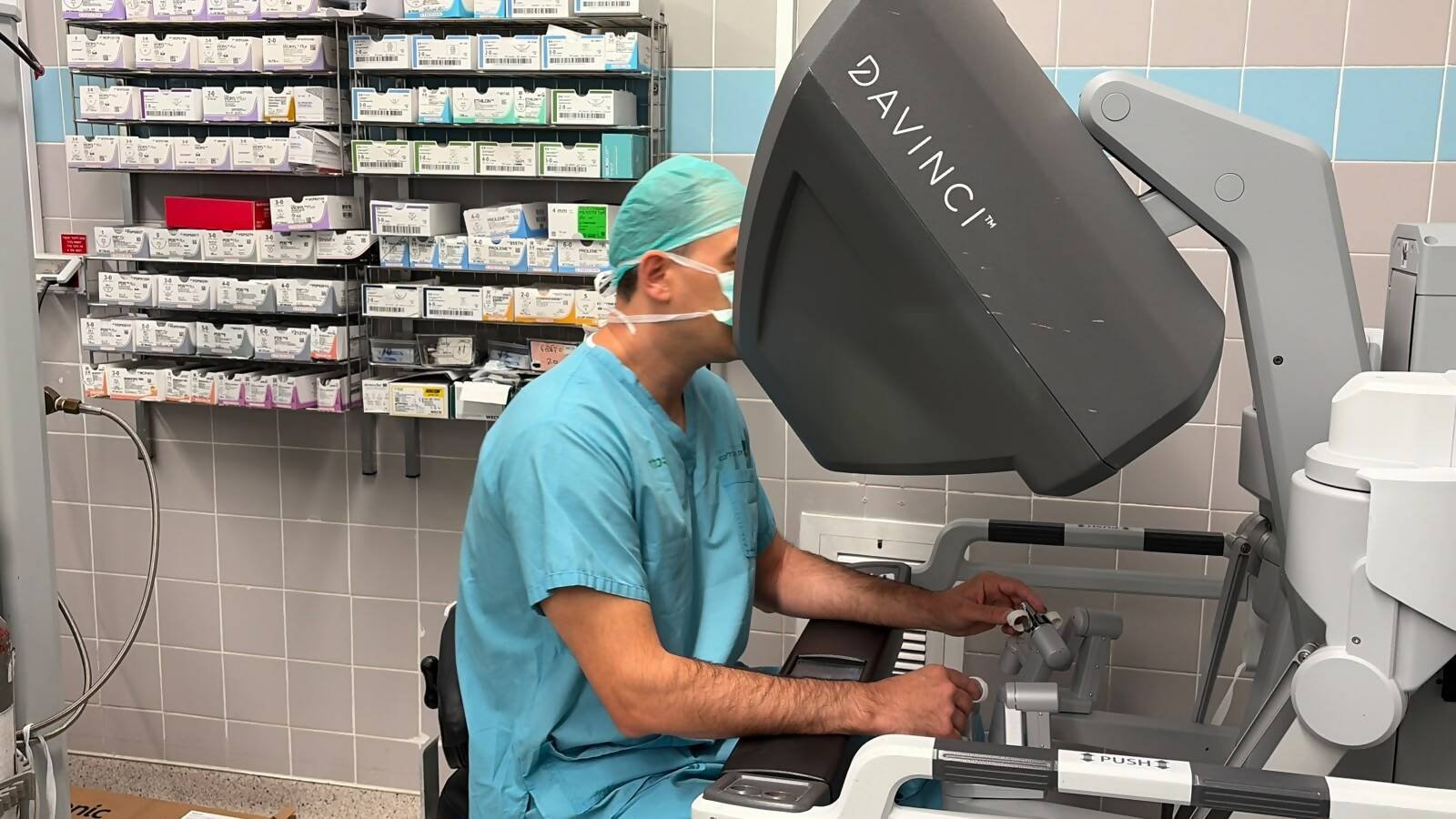
Monday, November 2nd – For the first time in Israel, surgeons at Clalit-Beilinson Hospital have successfully performed a robotic-assisted lung transplant using the da Vinci surgical system, without the need for the extensive chest opening required in conventional lung transplantation. Through several small incisions in the chest, the surgical team used robotic technology to connect the transplanted lung to the patient’s blood vessels and airways.
The innovative approach eliminates the need for the traditional technique, which involves cutting through the chest bone, fully opening the chest cavity and spreading the ribs to access the lungs.
Lung transplantation is one of the most complex surgical procedures, typically lasting between eight and ten hours. With conventional surgery, opening the chest can cause severe postoperative pain, shallow breathing and difficulty clearing lung secretions. These complications increase the risk of infections and contribute to a prolonged and challenging recovery that can last several weeks. The new minimally invasive approach is expected to significantly improve surgical outcomes and shorten recovery time.
Dr. Yury Peysakhovich, Director of Thoracic Surgery Department at Clalit-Beilinson Hospital, who led the operation, said:
“Robotic lung transplantation represents a turning point for lung transplantation in Israel. After decades of relying on the traditional approach, which involved significant pain and numerous complications, we have succeeded in bringing a genuine revolution to Israel. Thanks to robotic precision, the extremely small incisions and the fact that there is no need to open the chest by cutting through the breastbone, we believe that within five years, robotic lung transplantation without fully opening the chest could become the accepted standard of care.”
To date, approximately 20 robotic lung transplants have been performed worldwide. The first was carried out in Spain just three years ago. The procedure requires extensive advance preparation, specialized training and a high level of expertise, both in complex lung transplantation and in the operation of robotic surgical systems.
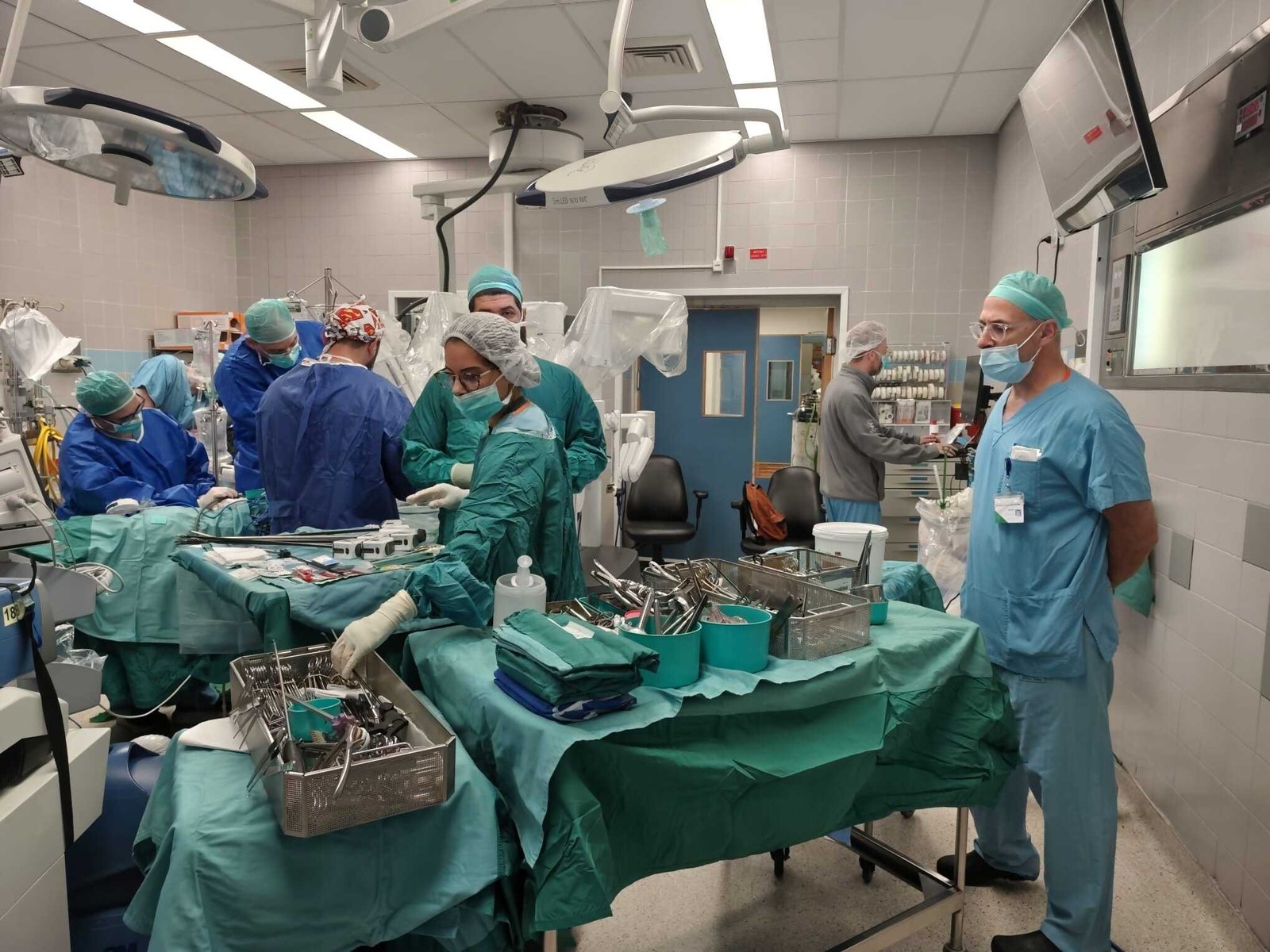
Dozens of medical professionals took part in the procedure, including surgeons, anesthesiologists, cardiopulmonary bypass specialists, operating room nurses, pulmonologists, cardiothoracic intensive care specialists and tissue-typing laboratory personnel.
Dr. Dr. Shai Fein, Director of the Anesthesiology & Operating Rooms Division at Clalit-Beilinson Hospital, explained:
“Using a robotic system in a procedure of this complexity requires meticulous advance planning and coordination by the anesthesia team and the entire operating room staff, as the robotic arms limit direct access to the patient. Preparation included detailed planning of ventilation, monitoring and hemodynamic management, as well as ensuring an immediate response to potential emergencies. The entire operating room team took part in the preparations, which also included a dedicated surgical simulation. For example, as part of the preparation, the patient was connected in advance to a cardiopulmonary bypass machine, ensuring that immediate support would be available if needed.”
Approximately one month before the robotic procedure, Clalit-Beilinson Hospital performed a preliminary lung transplant using a minimally invasive approach, also without fully opening the chest. Instead of the extensive incision used in conventional surgery, surgeons made just two small incisions, one above the abdomen and the other in the chest area.
This technique significantly improves postoperative pain management, preserves muscles and nerves, and enables patients to breathe, cough and clear their lungs more effectively following surgery. These are critical factors in dramatically reducing the risk of pneumonia, infections and other recovery-related complications.
The success of this preliminary operation helped pave the way for the robotic-assisted lung transplant performed approximately one month later.
Dr. Osnat Livne -Shtraichman, Director of the Pulmonary and Allergy Institute at Clalit-Beilinson Hospital, said:
“As the team responsible for following patients throughout their journey, both before and after transplantation, we are constantly working to make new treatments and technologies accessible to those who need them. This procedure has been performed at only a small number of leading medical centers worldwide, and we are proud to stand alongside them at the forefront of innovation in this field in Israel. Through extensive multidisciplinary teamwork, and with more than 1,000 lung transplants performed at Clalit-Beilinson Hospital, we have accumulated the expertise, knowledge and experience that enable us to offer eligible patients the most advanced treatment available.”
Dr. Dan Gorfil, Director of the Cardiothoracic surgery ICU at Clalit-Beilinson Hospital, said:
“One of the main reasons we wanted to advance robotic lung transplantation was our expectation that it would significantly reduce the patient’s pain and suffering following surgery, which are major factors in recovery and rehabilitation. Once patients arrive at the cardiothoracic intensive care unit after transplantation, one of our greatest challenges is managing the severe postoperative pain. Despite the pain management techniques we have developed, recovery remains difficult and complex.
“The recovery of the patient who underwent robotic-assisted transplantation exceeded all our expectations. He required almost no pain medication beyond paracetamol. This contributed to a shorter stay in intensive care and reduced his overall hospitalization time.”
