
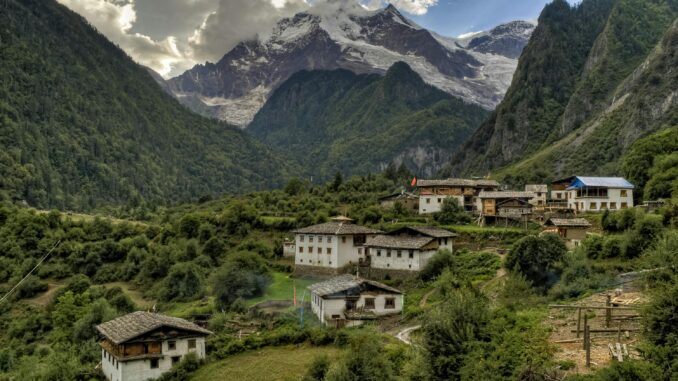

In an era where many popular destinations struggle with overtourism, the Himalayan kingdom of Bhutan has taken a dramatically different path. Rather than chasing mass tourism numbers, the country has built its global travel reputation on a unique philosophy: “High Value, Low Volume” tourism.
This distinctive model, which includes a mandatory daily tourist fee and strict visitor policies, has positioned Bhutan as one of the world’s most exclusive and sustainable travel destinations. As global travelers increasingly seek authentic, environmentally responsible experiences, Bhutan’s tourism strategy is gaining international attention as a potential blueprint for the future of sustainable travel.
A Tourism Model Built on Sustainability
Bhutan’s tourism policy stands apart from most global travel destinations. Instead of maximizing visitor arrivals, the country focuses on attracting travelers who value cultural preservation, environmental protection, and meaningful travel experiences.
Central to this approach is the Sustainable Development Fee (SDF), a daily charge imposed on international visitors. The fee supports national programs related to environmental conservation, cultural preservation, and infrastructure development.
This model ensures that tourism contributes directly to the country’s development while limiting the environmental pressure associated with mass tourism. The strategy reflects Bhutan’s broader national philosophy of Gross National Happiness, which prioritizes sustainability, cultural integrity, and community well-being.
A Destination for Meaningful Travel
Bhutan’s unique tourism approach has transformed it into a destination for travelers seeking exclusive and immersive experiences rather than conventional sightseeing.
Visitors are drawn to the country’s dramatic Himalayan landscapes, ancient monasteries, vibrant festivals, and deeply rooted Buddhist traditions. Unlike crowded tourist hotspots elsewhere in Asia, Bhutan offers a rare sense of tranquility and authenticity.
The capital city Thimphu reflects the country’s balance between modern development and cultural preservation. Despite being the political and economic center of Bhutan, the city retains a traditional architectural style and a strong connection to Bhutanese heritage.
Meanwhile, the historic town of Paro serves as the gateway for most international visitors. Surrounded by lush valleys and historic monasteries, Paro provides a glimpse into Bhutan’s rich spiritual and cultural traditions.
The Iconic Tiger’s Nest Monastery
No visit to Bhutan is complete without witnessing the breathtaking Tiger’s Nest Monastery, one of the country’s most iconic landmarks.
Perched dramatically on the side of a cliff nearly 900 meters above the Paro Valley, the monastery—also known as Paro Taktsang—is one of the most sacred Buddhist sites in the Himalayas. According to legend, Guru Padmasambhava flew to this location on the back of a tigress and meditated in a cave, establishing Buddhism in Bhutan.
Today, the monastery is both a spiritual sanctuary and a major draw for international visitors. The challenging hike to reach the site has become a defining travel experience for tourists seeking adventure and cultural immersion.
Luxury Tourism with a Cultural Focus
Bhutan’s high-value tourism model has also encouraged the development of luxury hospitality experiences that remain closely aligned with the country’s cultural and environmental values.
Rather than large-scale resorts, the country features boutique lodges, eco-friendly retreats, and luxury properties that blend traditional Bhutanese design with modern comfort. Many accommodations offer personalized travel experiences, including guided cultural tours, meditation sessions, and nature-based activities.
This approach appeals to travelers who prefer quality experiences over quantity, reinforcing Bhutan’s reputation as an exclusive destination for responsible tourism.
Growing Global Interest
In recent years, Bhutan has witnessed growing international interest, particularly among travelers seeking destinations that prioritize sustainability and authenticity.
The global shift toward experiential travel, wellness tourism, and eco-tourism has further strengthened Bhutan’s appeal. Travel experts believe that the country’s tourism model aligns closely with emerging trends in the global travel industry, where environmental impact and cultural sensitivity are becoming key considerations for travelers.
At the same time, Bhutan’s controlled tourism policies help protect its fragile Himalayan ecosystems and centuries-old cultural traditions.
A Blueprint for the Future of Tourism?
As overtourism continues to challenge major destinations worldwide, Bhutan’s tourism strategy is increasingly being studied as a potential model for sustainable travel development.
By prioritizing quality over quantity, the country has successfully created a tourism sector that supports economic growth while preserving cultural heritage and natural landscapes.
While the model may not be easily replicated everywhere, Bhutan’s experience demonstrates that tourism can be both economically viable and environmentally responsible when carefully managed.
Conclusion
Bhutan’s high-value tourism model offers a compelling alternative to the mass tourism strategies seen in many parts of the world. By focusing on sustainability, cultural preservation, and meaningful visitor experiences, the Himalayan kingdom has carved out a distinctive place in the global travel industry.
For travelers seeking authentic cultural encounters, breathtaking landscapes, and responsible tourism practices, Bhutan stands out as one of the world’s most unique and inspiring destinations.
As the global travel industry looks toward a more sustainable future, Bhutan’s approach may well provide valuable lessons for destinations around the world.