
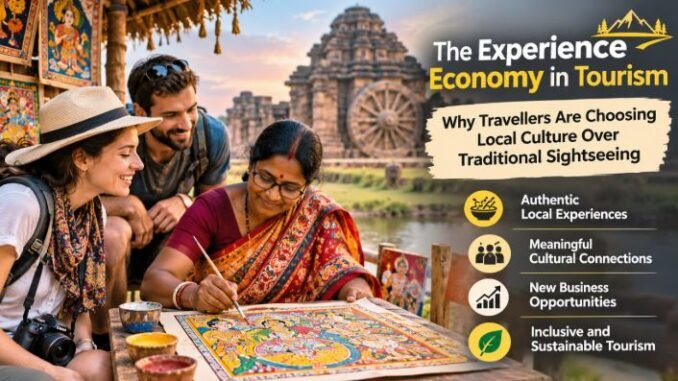
The tourism industry is witnessing a shift in traveller preferences, with visitors increasingly looking beyond famous landmarks, luxury accommodation and conventional holiday packages. Local food, cultural traditions, village stays and authentic community experiences are becoming important parts of travel decisions. This changing demand is opening new business opportunities for the hospitality sector, local entrepreneurs and destination-based tourism economies.
Travel is no longer just about reaching a destination. For many modern travellers, the real value of a holiday lies in the experiences they collect, the people they meet and the cultures they discover along the way.
A growing number of visitors want to understand the everyday life of the places they explore. They are interested in tasting regional dishes, learning traditional crafts, visiting local markets and spending time with communities. Rather than following a fixed sightseeing schedule, they increasingly prefer journeys that offer personal connections and lasting memories.
This changing approach to travel is known as the experience economy in tourism. It represents a shift from selling basic travel services to creating meaningful experiences that add value to a visitor’s journey.
For the tourism and hospitality industry, this development is becoming an important business opportunity. It is encouraging businesses to diversify their services, develop new revenue streams and create stronger relationships with customers.
Travellers Are Looking Beyond Traditional Sightseeing
Traditional tourism has largely focused on popular attractions, monuments, hotels and organised sightseeing tours. These activities continue to attract visitors, but travel expectations are evolving.
Today’s experience-oriented travellers often want to understand the story behind a destination. A visit to a heritage location, for instance, can become more meaningful when accompanied by a local guide who explains its history, architecture and traditions.
Similarly, a holiday in a coastal region may include fishing activities, local seafood experiences or interactions with traditional communities. Food walks, village visits, handicraft workshops and nature-based activities are also becoming attractive additions to travel itineraries.
This shift is encouraging tourism operators to develop more personalised packages rather than relying entirely on standard sightseeing programmes.
Experience-Based Tourism Creates New Business Opportunities
The growth of experiential travel is changing the revenue opportunities available across the tourism value chain.
Hotels and resorts can expand beyond accommodation by introducing cultural programmes, regional dining, wellness activities and guided local excursions. Travel operators can develop specialised packages around heritage, food, adventure, wildlife and rural tourism.
These additional services can help businesses improve customer engagement, increase visitor spending and encourage longer stays.
The opportunity also extends to smaller businesses. Independent guides, homestay operators, traditional artisans, local restaurants and transport providers can participate in the tourism economy without necessarily making large infrastructure investments.
For destinations, the wider participation of local businesses can help distribute tourism income more effectively and create employment opportunities.
India’s Cultural Diversity Offers Strong Tourism Potential
India has considerable potential to benefit from the growing demand for experience-based travel. Its cultural diversity, regional cuisines, traditional crafts, festivals, natural landscapes and historic destinations provide opportunities to develop distinctive tourism products.
In Rajasthan, visitors can explore traditional crafts, heritage properties and village lifestyles. Kerala offers opportunities through backwater experiences, local cuisine and traditional wellness practices. Odisha has considerable potential in cultural, coastal, tribal, heritage and handicraft tourism.
A visitor to Odisha, for example, can explore traditional Pattachitra painting, experience regional cuisine, discover temple architecture and interact with local artisans.
Such experiences can make destinations more attractive while creating additional income opportunities for local communities.
The opportunity is particularly important for smaller cities and rural destinations, which can attract visitors by highlighting their cultural identity rather than competing only through large tourism infrastructure.
Tourism Growth Reflects a Wider Economic Opportunity
Tourism plays an important role in employment generation, business development, foreign exchange earnings and regional economic growth.
According to the Ministry of Tourism’s official statistics, India recorded approximately 4.29 billion domestic tourist visits and 20.22 million international tourist arrivals in 2025.
Government tourism estimates also indicate that the sector supported approximately 84.63 million jobs during 2023–24 and contributed around 5.22% to India’s GDP.
These figures underline the importance of tourism as an economic activity. They also highlight the potential for experience-based tourism to create additional business opportunities across accommodation, food services, transport, entertainment and local enterprises.
For the hospitality industry, changing traveller preferences could create opportunities to generate revenue from services beyond conventional room bookings and sightseeing packages.
Hospitality Businesses Are Rethinking Their Offerings
The growing interest in authentic travel experiences is encouraging hospitality businesses to reconsider how they attract and retain customers.
Accommodation providers are increasingly looking at local culture, regional food, nature-based activities and personalised services as ways to improve the visitor experience.
For travellers, these offerings provide a better understanding of the destination. For businesses, they create opportunities to differentiate their services in a competitive market.
Restaurants can benefit by promoting regional food traditions, while resorts and homestays can develop experiences around local lifestyles, traditional wellness and community activities.
The ability to combine comfortable accommodation with meaningful local experiences could become an important competitive advantage for the hospitality sector.
Digital Technology Is Changing Travel Decisions
Technology has become an important part of the modern tourism business.
Travellers increasingly use digital platforms to discover destinations, compare accommodation, read customer reviews and book local activities. Travel videos, photographs and online recommendations also influence where people choose to go and what they want to experience.
This creates opportunities for smaller tourism businesses to reach customers beyond their local markets.
A local guide can promote a heritage walk online, a homestay operator can attract visitors through digital booking platforms, and an artisan can introduce traditional craft experiences to a wider audience.
For businesses, digital visibility, transparent pricing, convenient booking facilities and reliable customer service are becoming essential to remain competitive.
Local Communities Are Becoming an Important Part of Tourism Growth
One of the strongest economic benefits of experiential tourism is its ability to involve local communities directly.
When travellers choose locally organised experiences, their spending can support several small businesses within the destination.
Homestay owners, farmers, artisans, food entrepreneurs, local guides and transport operators can all benefit from increased visitor activity.
This approach can also help preserve traditional skills and encourage younger generations to continue local crafts and cultural practices.
However, community participation must be genuine. Local residents should have a role in deciding how their traditions, resources and cultural heritage are presented to visitors.
Challenges: Balancing Tourism Growth with Sustainability
Despite its economic potential, experience-based tourism also requires careful management.
An increase in visitor numbers can put pressure on local infrastructure, natural resources and community life. Cultural activities may also lose their original meaning if they are modified purely for commercial entertainment.
Tourism businesses must therefore focus on responsible operations, environmental protection, fair compensation for local participants and respect for cultural traditions.
Maintaining service quality, visitor safety and transparent pricing will also be important for building long-term customer confidence.
Sustainable tourism growth depends on ensuring that economic benefits do not come at the expense of the destinations and communities that make these experiences valuable.
The Road Ahead: Experiences Could Define the Next Phase of Tourism Growth
The experience economy is gradually changing the competitive landscape of the travel and hospitality industry. Travellers are increasingly evaluating destinations not only by their attractions and accommodation but also by the quality of experiences they can offer.
For businesses, this means developing more personalised services, working closely with local communities and using technology to understand changing customer expectations.
India is well positioned to benefit from this shift. Its cultural heritage, traditional industries, regional cuisines and natural diversity offer opportunities to build a stronger experience-based tourism market.
The future growth of tourism will depend not only on attracting more visitors but also on creating greater economic value from every visit.
Ultimately, tourism is becoming an industry where experiences matter as much as destinations. Businesses that understand this changing demand and build meaningful connections between travellers, local culture and communities will have an opportunity to strengthen their market position. The next phase of tourism growth may not be defined simply by how many places people visit, but by how deeply they connect with the places they choose to explore.
