
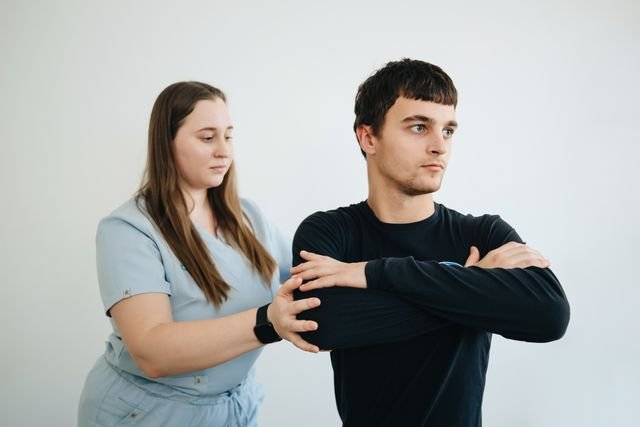
Sports injuries can affect anyone, from professional athletes and fitness enthusiasts to individuals who enjoy running, cycling, playing cricket or working out at the gym. While some injuries heal with rest and basic care, others require specialised medical attention and a structured rehabilitation programme. Choosing the right sports injury rehabilitation physiotherapy in Delhi and Ghaziabad can make a significant difference in recovery, mobility and long-term physical performance.
With growing awareness about sports medicine and physical fitness, physiotherapy has become an important part of injury management. The right rehabilitation approach not only helps reduce pain but also addresses the underlying causes of injuries and minimises the risk of recurrence.
Understanding Common Sports Injuries
Sports injuries can occur because of sudden movements, excessive physical activity, improper training techniques or inadequate warm-up routines. Some injuries develop gradually due to repetitive stress on muscles and joints.
Common sports-related injuries include:
-
Muscle strains: Overstretching or tearing of muscle fibres, particularly in the hamstrings, calves and shoulders.
-
Ligament injuries: Damage to ligaments, including anterior cruciate ligament (ACL) injuries in the knee.
-
Ankle sprains: Injuries caused by twisting or rolling the ankle during physical activity.
-
Tendon injuries: Inflammation or degeneration of tendons due to repetitive movements.
-
Shoulder injuries: Rotator cuff problems and shoulder instability, commonly experienced by swimmers, tennis players and gym enthusiasts.
-
Runner’s knee: Pain around the kneecap associated with running, jumping and repetitive knee movements.
Identifying the nature and severity of an injury is the first step towards selecting an appropriate rehabilitation programme.
Why Sports Injury Rehabilitation Physiotherapy Matters
Recovering from a sports injury involves more than simply reducing pain. Athletes and active individuals need to regain strength, flexibility, balance, coordination and confidence before returning to their regular activities.
Sports injury rehabilitation physiotherapy focuses on restoring normal body movement through a combination of clinical assessment, therapeutic exercises and specialised treatment techniques.
An effective rehabilitation programme can help with:
1. Pain Management
Physiotherapists use appropriate treatment techniques to manage pain, reduce muscle tension and improve joint mobility.
2. Restoring Strength and Flexibility
Targeted exercises help rebuild muscle strength and improve flexibility in the affected area.
3. Improving Mobility and Balance
Balance training, movement exercises and coordination activities help restore functional movement and physical stability.
4. Preventing Recurrent Injuries
Rehabilitation addresses muscle imbalances, movement restrictions and weaknesses that may contribute to repeated injuries.
5. Safe Return to Sports
A structured recovery programme helps individuals gradually return to training, exercise and competitive sports without placing unnecessary stress on the injured area.
How to Choose the Right Physiotherapy Centre in Delhi and Ghaziabad
Finding the right physiotherapy provider requires careful consideration. Not every physiotherapy clinic offers specialised sports rehabilitation services. Here are some important factors to evaluate before making a decision.
1. Check the Physiotherapist’s Qualifications and Experience
Look for qualified physiotherapists with experience in orthopaedic rehabilitation, sports injuries and musculoskeletal conditions.
A professional with experience treating ACL injuries, ligament damage, muscle strains and shoulder injuries may be better equipped to develop an appropriate rehabilitation plan.
2. Look for Individualised Treatment Plans
Every sports injury is different. Two individuals with similar symptoms may require completely different rehabilitation approaches depending on their fitness levels, injury severity and physical goals.
Choose a physiotherapy provider that conducts a detailed assessment before recommending treatment.
A personalised programme should consider:
-
Medical and injury history.
-
Pain levels and movement restrictions.
-
Muscle strength and flexibility.
-
Joint stability and balance.
-
Individual fitness and sporting goals.
3. Evaluate the Rehabilitation Facilities
A well-equipped physiotherapy centre should have facilities that support different stages of recovery.
Depending on the patient’s condition, rehabilitation may involve therapeutic exercise equipment, resistance training, balance tools, mobility exercises and appropriate physical therapy modalities.
However, equipment alone does not guarantee effective treatment. The expertise of the physiotherapist and the quality of the rehabilitation programme remain essential.
4. Consider Convenient Treatment Locations
Accessibility is another important factor, particularly when rehabilitation requires multiple sessions over several weeks.
Individuals living in Delhi may prefer a physiotherapy clinic close to their home or workplace. Similarly, residents of Ghaziabad can explore providers offering convenient access across their local areas.
For patients who have difficulty travelling because of pain or restricted movement, physiotherapy at home in Ghaziabad may be a convenient alternative. Home-based sessions can allow patients to receive professional rehabilitation support in a familiar environment, subject to the availability of suitable services.
5. Understand the Rehabilitation Approach
A good physiotherapist should explain the treatment process, expected recovery milestones and exercises that patients may need to perform at home.
Sports rehabilitation generally progresses through different stages:
-
Initial recovery: Managing pain, swelling and inflammation while protecting the injured area.
-
Mobility restoration: Improving flexibility and the range of motion.
-
Strength development: Gradually rebuilding muscle strength and endurance.
-
Functional training: Practising movements related to everyday activities and specific sports.
-
Return-to-sport assessment: Evaluating strength, balance, agility and functional performance before returning to competitive activity.
The progression should be based on clinical assessment rather than a fixed recovery timeline.
The Role of Modern Physiotherapy Techniques
Sports injury rehabilitation has evolved considerably with advancements in physical therapy and exercise science. Depending on the injury, physiotherapists may incorporate several treatment approaches.
Manual Therapy: Hands-on techniques may help improve joint mobility, reduce stiffness and manage certain musculoskeletal symptoms.
Therapeutic Exercise: Strengthening, stretching and functional exercises form the foundation of most rehabilitation programmes.
Sports-Specific Training: Exercises designed around the movements and physical demands of a particular sport help prepare individuals for a safe return to activity.
Balance and Coordination Training: These exercises improve neuromuscular control and stability, particularly following ankle and knee injuries.
Electrotherapy: Selected modalities may be used as complementary treatments for symptom management, depending on clinical requirements.
The choice of techniques should be based on the patient’s condition, assessment findings and rehabilitation goals.
Why Early Assessment Is Important
Ignoring sports injuries or continuing intense physical activity despite pain can sometimes worsen an existing condition.
Early assessment helps identify the extent of an injury and determine whether physiotherapy, medical investigation or specialist consultation is required.
For example, a person experiencing persistent knee pain after a sports activity may have a muscle strain, ligament injury or another underlying condition. A proper clinical evaluation helps determine the next steps.
Severe swelling, inability to bear weight, visible deformity or a suspected fracture requires prompt medical assessment rather than attempting self-directed rehabilitation.
Physiotherapy in Delhi and Ghaziabad: What Patients Should Consider
Delhi and Ghaziabad have a growing demand for specialised physiotherapy services as more people participate in recreational sports, gym training, running events and fitness activities.
When comparing physiotherapy providers in these locations, patients should focus on clinical expertise, individual attention, treatment transparency and accessibility.
It is also worth checking whether the provider offers:
-
Sports injury assessment and rehabilitation.
-
Post-surgical physiotherapy.
-
Knee and shoulder rehabilitation.
-
Muscle strengthening programmes.
-
Home physiotherapy services, where available.
-
Personalised exercise and recovery guidance.
Patients should also discuss treatment costs, session frequency and expected progress before beginning a programme.
Conclusion
Choosing the right sports injury rehabilitation physiotherapy in Delhi and Ghaziabad is an important step towards a safe and effective recovery. The ideal provider should combine clinical expertise, personalised treatment planning, modern rehabilitation techniques and a patient-focused approach.
Whether someone is recovering from a ligament injury, muscle strain, shoulder problem or sports-related knee pain, a structured physiotherapy programme can help restore physical function and improve overall movement.
Rather than focusing only on immediate pain relief, patients should look for rehabilitation that addresses the root causes of their injuries, rebuilds physical strength and prepares them to return to their favourite activities with greater confidence.
The goal of sports injury rehabilitation is not simply to get back on your feet. It is to help you return stronger, move better and reduce the chances of another injury.
