
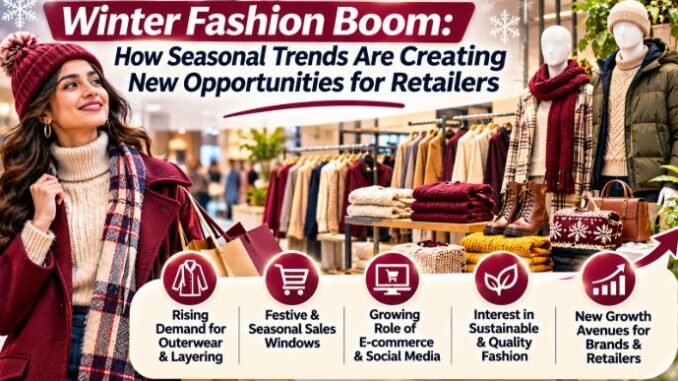
Winter brings a fresh rhythm to the fashion industry, as changing weather encourages consumers to rethink their wardrobes and explore new styles. From cosy knitwear and statement jackets to fashionable boots, scarves and layering essentials, seasonal clothing becomes an important part of shopping choices. But the winter fashion season is about more than updating collections or following the latest trends. It also creates valuable business opportunities for fashion retailers, apparel brands, designers and online sellers. As customers look for clothing that combines comfort, style, quality and affordability, businesses have an opportunity to introduce relevant collections, attract new buyers and strengthen seasonal sales. Understanding these changing preferences is becoming increasingly important for retailers looking to make the most of the winter shopping season.
Winter Fashion Is Creating a Strong Seasonal Market
Fashion preferences naturally evolve with the seasons, and winter gives retailers an opportunity to introduce products that bring together warmth, functionality and personal style. Consumers are increasingly interested in versatile clothing that can be worn for different occasions, whether they are heading to work, travelling, attending social gatherings or enjoying everyday activities.
Jackets, sweaters, sweatshirts, cardigans, coats and thermal wear remain important winter wardrobe choices. At the same time, accessories such as scarves, gloves, caps and boots help complete seasonal looks. This variety allows retailers to reach different customer groups through products at multiple price points.
For businesses, the opportunity lies in understanding which products are relevant to their target market. Retailers that offer a balanced selection of everyday essentials, fashionable pieces and premium winterwear can appeal to a wider range of shoppers.
Changing Consumer Preferences Are Influencing Winter Collections
Today’s fashion consumers are not simply looking for clothes that protect them from the cold. They also want clothing that reflects their personality and fits their lifestyle. Comfort, appearance, durability and price all influence purchasing decisions.
Casual and relaxed clothing has become an important part of everyday fashion, creating demand for oversized sweaters, sweatshirts, hoodies and comfortable layering pieces. Meanwhile, consumers interested in more polished outfits may prefer structured coats, tailored jackets and stylish knitwear.
The growing interest in versatile fashion is also influencing buying behaviour. Shoppers often prefer pieces that can be styled in different ways rather than clothing that serves only one purpose. A well-designed jacket, for example, can work with casual jeans as well as more formal outfits.
Retailers that recognise these preferences can create collections that offer both fashion appeal and practical value. Understanding the needs of different customer segments can also help businesses make better product and pricing decisions.
Regional Fashion Trends Matter in the Indian Market
India’s winterwear market has a distinctive character because weather conditions vary considerably across regions. While northern parts of the country experience colder temperatures and stronger demand for heavy jackets, coats and thermal clothing, many southern and eastern markets have relatively mild winters.
This difference creates an opportunity for retailers to develop region-specific collections instead of following a single winterwear strategy. In colder markets, businesses can focus on insulated jackets, sweaters, thermal layers and heavier footwear. In regions with milder winters, lightweight jackets, sweatshirts, cardigans and fashionable layering options may be more relevant.
For retailers, understanding local weather conditions can make a significant difference to inventory planning. Stocking products that match actual customer requirements can help improve sales while reducing the risk of unsold seasonal merchandise.
Fashion Trends and Social Media Are Shaping Demand
Social media has become an influential platform for discovering fashion trends and finding styling inspiration. Consumers regularly encounter new outfit ideas through fashion creators, influencers, celebrities and online shopping platforms. These trends can influence what shoppers look for when updating their winter wardrobes.
Layering, neutral colour palettes, oversized silhouettes, textured knitwear and statement outerwear often attract attention during the colder months. However, trends can change quickly, making it important for retailers to understand which styles are gaining genuine customer interest.
For fashion businesses, digital platforms offer more than promotional opportunities. They provide a way to showcase new arrivals, demonstrate different styling options and communicate directly with potential buyers. Short videos, product photographs and styling guides can help customers understand how individual pieces can be incorporated into their wardrobes.
Retailers that combine trend awareness with a clear understanding of their customer base can respond more effectively to changing fashion demand.
E-commerce Is Expanding Winterwear Opportunities
Online shopping has made seasonal fashion more accessible, allowing customers to explore winter collections, compare prices and discover emerging brands without visiting physical stores. For retailers, this creates an opportunity to reach customers beyond their immediate location.
Fashion businesses can use their websites, online marketplaces and social commerce channels to showcase seasonal collections and offer a convenient shopping experience. Clear product descriptions, size information, detailed photographs and easy return policies can also help customers make confident purchasing decisions.
Physical stores continue to play an important role, particularly when shoppers want to check fabric quality, fit and comfort before buying. This makes an integrated retail approach valuable. Businesses that connect their online and offline channels can give customers more flexibility while improving the overall shopping experience.
Sustainability and Quality Are Becoming Important Considerations
As consumers become more conscious of how they spend their money, quality and durability are gaining importance in fashion purchases. Rather than choosing clothing based only on appearance, some shoppers are paying closer attention to fabric, stitching, comfort and how long a product is likely to last.
This creates opportunities for retailers to highlight better materials, versatile designs and products that can be worn across multiple seasons. Reusable wardrobe essentials and responsible sourcing can also help brands appeal to consumers who are becoming more thoughtful about their fashion choices.
For businesses, sustainability should be supported by genuine product quality and transparent communication. Building customer trust through reliable products can encourage repeat purchases and strengthen brand reputation over time.
Smart Inventory Planning Can Improve Seasonal Sales
Winter fashion presents a planning challenge for retailers because demand is closely linked to weather conditions, seasonal timing and changing trends. Ordering too much stock can leave businesses with unsold merchandise when temperatures rise, while insufficient inventory can result in missed sales opportunities.
Retailers need to consider local climate patterns, previous sales performance, customer preferences and the timing of seasonal shopping activity when planning their collections. Keeping track of which products, sizes and styles are selling well can help businesses make more informed replenishment decisions.
Flexible buying strategies can also reduce the pressure of holding large quantities of seasonal inventory. Retailers may begin with a carefully selected collection and adjust their orders as customer demand becomes clearer.
Effective stock management is particularly important for smaller fashion businesses, where unsold seasonal products can put pressure on cash flow and profit margins.
Opportunities for Small Fashion Businesses and Emerging Brands
The winter fashion season is not limited to established clothing retailers. It also creates opportunities for independent designers, local boutiques, online sellers and emerging fashion labels.
Smaller businesses can differentiate themselves through distinctive designs, curated collections, regional preferences and personalised customer service. Instead of competing only on price or product volume, they can build a clear identity around particular styles, materials or customer segments.
Accessories also offer an attractive way to expand seasonal collections. Scarves, caps, gloves, socks and winter bags can complement clothing ranges and encourage customers to purchase multiple items. Thoughtful product combinations and seasonal styling suggestions can further improve the shopping experience.
For emerging brands, the key is to identify a specific customer need and build a collection around it. A focused range that offers the right combination of style, quality and value can be more effective than trying to stock every winter fashion trend.
The Road Ahead for Winter Fashion Retail
Winter fashion is becoming an important seasonal opportunity for retailers to connect with changing consumer preferences and strengthen their market position. Customers want clothing that feels comfortable, looks fashionable and offers value, while businesses need collections that reflect local demand and changing trends.
Retailers that combine thoughtful product selection, regional understanding, effective inventory management and a strong online presence will be better positioned to make the most of the season. The opportunity is not simply to sell more winter clothing, but to build collections that customers find relevant and worth buying.
Conclusion
The winter fashion boom offers retailers an opportunity to turn seasonal style preferences into meaningful business growth. From fashionable jackets and cosy knitwear to versatile layering pieces and winter accessories, consumers are looking for collections that bring together comfort, quality and personal expression. For fashion businesses, success will depend on understanding what customers want, recognising regional differences and responding to trends without losing sight of affordability and practicality. Retailers that create relevant collections, manage seasonal inventory carefully and build stronger connections with shoppers can make winter more than just another sales period. They can use it to strengthen their brand, attract new customers and create lasting value in an increasingly competitive fashion market.
