
Pic Credit: Pexel
AI and automation in Singapore’s logistics industry are reshaping how goods are stored, transported and delivered, helping businesses overcome land constraints, manage labour pressures and improve supply chain efficiency. As one of the world’s important trade and transshipment hubs, Singapore is investing in smarter logistics systems to meet the demands of global commerce, e-commerce growth and increasingly complex international supply chains. From robotic warehouses and AI-powered demand forecasting to digitally connected ports, technology is helping logistics operators improve productivity, make better use of resources and strengthen their competitive position.
The transformation reflects a broader shift in the logistics business model. Efficiency is no longer measured solely by how quickly goods move from one location to another. Companies must also control operating costs, maintain accurate inventory, minimise disruptions and provide customers with greater visibility throughout the delivery process. For Singapore, where space is limited and trade connectivity is central to economic growth, intelligent logistics offers a strategic way to expand operational capacity without relying entirely on additional land and labour.
Smart Warehousing: Maximising Every Square Metre
Singapore’s limited land availability has encouraged logistics companies to rethink conventional warehouse design. High-density storage, multi-level facilities and automated retrieval systems are becoming increasingly important as businesses seek to accommodate more inventory within a limited footprint.
Robotic shuttles, automated guided vehicles and intelligent warehouse management systems can move products, retrieve orders and coordinate storage activities with greater consistency. AI-supported software can also help determine where frequently ordered products should be placed, reducing unnecessary movement and improving order fulfilment.
Industry reports have highlighted a DHL facility in Singapore that uses 130 robotic shuttles, with reported improvements of 20% in picking speed and 40% in space savings. While individual results depend on the facility’s design and operating conditions, the example demonstrates how automation can improve warehouse productivity.
For retailers, manufacturers and third-party logistics providers, these efficiencies can support faster order processing, better space utilisation and more reliable service during periods of high demand.
AI-Powered Forecasting Improves Inventory Decisions
Managing inventory is a delicate balancing act. Excess stock ties up working capital and increases storage costs, while insufficient inventory can lead to missed sales and delivery delays.
Artificial intelligence is helping businesses make these decisions with greater precision. By analysing historical sales, current orders, seasonal patterns and market information, forecasting systems can estimate future demand and identify potential supply shortages.
For Singapore’s distribution sector, these capabilities are especially useful because logistics providers often coordinate shipments across several markets with different purchasing patterns and delivery requirements.
More accurate forecasting can help businesses plan replenishment, allocate warehouse capacity and reduce avoidable inventory costs. However, effective results depend on reliable data, appropriate model design and regular monitoring as market conditions change.
Tuas Port: A New Chapter in Port Automation
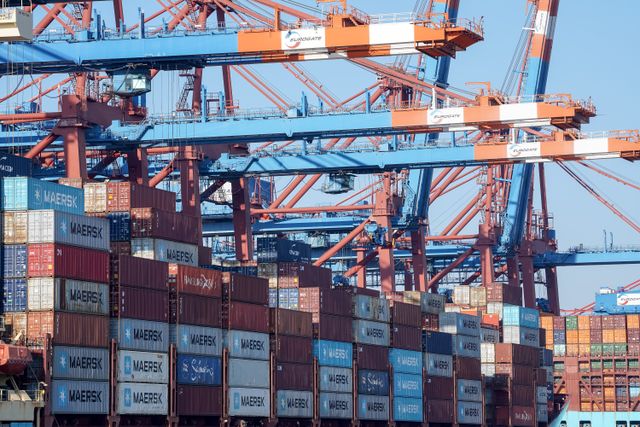
Singapore’s logistics transformation extends beyond warehouses to its maritime infrastructure. Tuas Port represents a major long-term investment in the country’s ambition to strengthen its position in international shipping and container handling.
The port is planned to accommodate up to 65 million twenty-foot equivalent units (TEUs) annually when fully developed. A TEU is the standard measure used to describe container capacity.
Automated container-handling equipment, driverless transport systems, remote operations and integrated digital platforms are central to the development of advanced port facilities. These technologies can help coordinate container movements, improve equipment utilisation and reduce delays between different stages of cargo handling.
For shipping companies and exporters, efficient port operations can support more predictable schedules and smoother connections between maritime transport, warehousing and inland distribution. In a global trading environment where delays can affect entire supply chains, operational reliability is a significant commercial advantage.
Smarter Deliveries Through AI and Real-Time Tracking
The journey from warehouse to customer is another area where technology is making a difference. AI-powered route optimisation systems can assess traffic conditions, delivery schedules, vehicle capacity and road restrictions to identify more efficient routes.
By adjusting plans when circumstances change, logistics operators can reduce unnecessary travel, improve fleet utilisation and potentially lower fuel consumption.
Real-time tracking adds another layer of control. Digital platforms and Internet of Things sensors can provide shipment-location updates and monitor conditions such as temperature for sensitive cargo. These capabilities are particularly valuable for pharmaceuticals, fresh food and other products that require controlled transportation.
Better visibility allows businesses to identify disruptions earlier, communicate more effectively with customers and respond before minor delays become larger operational problems.
Automation Creates Opportunities Beyond Operations
AI is also changing the way logistics companies manage procurement, equipment maintenance and administrative work.
Automated procurement systems can organise purchase orders, compare supplier information and identify unusual spending patterns. Predictive maintenance tools can analyse equipment data to flag potential failures before they interrupt operations.
These applications can reduce repetitive administrative work and help managers make decisions based on timely information. Nevertheless, businesses must consider software integration, cybersecurity, maintenance and workforce training when evaluating the financial benefits of automation.
Government-supported digitalisation initiatives can also help eligible businesses explore suitable technology solutions. Singapore’s Smart Nation agenda and relevant enterprise support programmes provide a broader framework for digital development, although specific grants and eligibility conditions vary.
The Human Element in an Automated Industry
Despite the growing role of robotics and AI, people remain essential to a successful logistics operation. Automated systems require skilled employees to maintain equipment, analyse data, manage exceptions and protect digital infrastructure.
This creates an opportunity for workforce development in areas such as robotics maintenance, supply chain analytics, software integration and cybersecurity.
For smaller logistics businesses, adopting technology in stages may be more practical than attempting a complete operational overhaul. Starting with inventory forecasting, shipment tracking or fleet scheduling allows companies to evaluate results before committing to larger investments.
Conclusion: Building a Competitive Logistics Future
Singapore’s adoption of AI and automation demonstrates how technology can help a land-constrained trading hub strengthen productivity and respond to changing global supply chain demands. Smart warehouses, predictive analytics, automated port systems and intelligent delivery networks are creating opportunities to improve efficiency, reduce avoidable costs and enhance service reliability.
The next stage of progress will depend on how effectively businesses combine technology with sound investment decisions, reliable data and workforce development. Automation alone cannot eliminate every disruption or guarantee savings, but carefully implemented systems can provide a stronger foundation for operational resilience.
As international trade becomes increasingly interconnected, AI and automation in Singapore’s logistics industry are evolving from operational enhancements into strategic tools for long-term competitiveness. Businesses that invest thoughtfully in these capabilities will be better placed to adapt to changing demand, serve customers more effecti
