
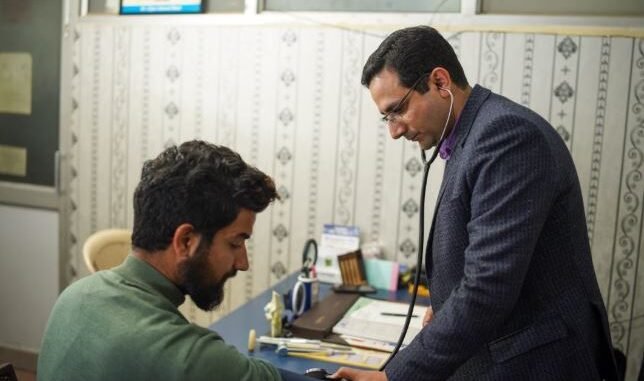
India’s diagnostic healthcare market is entering a new phase of growth as demand for preventive testing, chronic disease screening and technology-driven healthcare services increases. With rising health awareness and a growing burden of lifestyle diseases, diagnostics is emerging as a critical business segment, attracting investment in laboratory networks, medical technology and digital healthcare solutions.
Healthcare in India is gradually shifting from treating illnesses after symptoms become serious to identifying health risks earlier. This change is creating fresh opportunities for diagnostic laboratories, hospitals, medical device manufacturers and digital health businesses. As more people seek timely and accessible testing, the industry is under pressure to deliver faster results, maintain quality and expand services beyond major cities.
India’s diagnostic market was estimated at approximately $40.1 billion in 2025 and is projected to reach $124.5 billion by 2034, according to the market estimates provided. While the forecast highlights the sector’s commercial potential, the scale of future growth will depend on affordability, service quality, wider healthcare access and the ability of businesses to turn rising demand into sustainable operations.
Early Detection Drives Demand for Diagnostic Services
The growing burden of diabetes, cardiovascular disease and other chronic conditions is strengthening the need for regular health assessments. Many conditions can develop gradually without obvious symptoms, leaving patients unaware of their health risks until complications emerge.
India’s disease burden makes early detection particularly important. A major national study published in 2023 estimated that approximately 101 million Indians were living with diabetes in 2021. This highlights the need for accessible screening, timely diagnosis and long-term monitoring.
For diagnostic businesses, this demand extends beyond routine blood tests. Services such as diabetes screening, cholesterol testing, kidney function assessment, cancer-related investigations and advanced medical imaging are becoming important parts of the healthcare ecosystem.
Early diagnosis can help doctors make timely treatment decisions and may reduce the risk of complications in certain conditions. However, testing must be followed by appropriate medical evaluation and treatment to deliver meaningful health benefits.
Preventive Healthcare Changes Consumer Spending
Consumers are becoming more conscious of the relationship between regular health monitoring and long-term well-being. Working professionals, families and older adults are increasingly looking for convenient testing options that fit their schedules and budgets.
Home sample collection, online test booking and digital reports have made diagnostic services easier to access. These conveniences are also changing customer expectations. Patients increasingly value transparent pricing, reliable results, convenient appointments and clear communication alongside the quality of the test itself.
This shift is creating opportunities for businesses to develop services around preventive health packages, workplace screening programmes and personalised testing plans. Yet providers must avoid encouraging unnecessary investigations. Preventive tests should be selected according to medical guidance and individual risk factors rather than sold simply as larger packages.
For the industry, sustainable growth will come from building patient confidence and delivering useful healthcare services, not merely increasing the number of tests performed.
Technology Reshapes the Economics of Diagnostics
Technology is becoming a major differentiator in India’s diagnostic industry. Automated laboratory equipment can process high volumes of samples, reduce repetitive manual work and improve operational consistency. Digital systems can help laboratories track samples, manage appointments and deliver reports more efficiently.
Artificial intelligence is also being explored in medical imaging, pathology and clinical decision support. When properly validated and used under professional supervision, these tools can help identify patterns that deserve further examination. They do not replace qualified medical professionals or eliminate the need for confirmatory testing where appropriate.
Point-of-care testing is expanding the possibility of conducting selected investigations closer to patients. Portable devices can support faster decisions in clinics and other healthcare settings, reducing the need to send every sample to a distant laboratory.
For businesses, the commercial benefits depend on how effectively technology improves productivity, turnaround times and service reliability. High equipment costs, maintenance requirements and the need for trained staff mean that investment decisions must be based on actual testing volumes and clinical requirements.
Smaller Cities Offer Scope for Expansion
India’s diagnostic market remains fragmented, with independent laboratories, hospital-based facilities and organised chains operating across different regions. This creates room for expansion, particularly in semi-urban and underserved areas where access to specialised testing may be limited.
One approach is the hub-and-spoke model. Local collection centres gather samples, while larger central laboratories conduct a broader range of investigations using specialised equipment. This can extend the reach of diagnostic services without requiring every centre to invest in expensive infrastructure.
For organised providers, the model offers a way to expand their geographic presence and improve equipment utilisation. Local entrepreneurs can also participate through collection services, laboratory partnerships and supporting logistics.
However, expansion is not simply a matter of opening more centres. Reliable sample transportation, qualified personnel, consistent testing standards and timely reporting are essential. Businesses that overlook these operational requirements may struggle to maintain quality as their networks grow.
Digital Health Creates New Revenue Opportunities
India’s digital healthcare ecosystem is opening additional avenues for diagnostic businesses. Online booking, electronic reports, digital health records and connected patient services can improve coordination between laboratories, doctors and healthcare facilities.
The Ayushman Bharat Digital Mission is working to support an integrated digital health ecosystem. With appropriate consent and secure information exchange, digital systems can help patients and healthcare professionals access relevant records more conveniently.
Diagnostic providers can use digital tools to improve customer service, manage repeat testing and streamline communication with hospitals and clinics. Businesses can also develop specialised services for corporate wellness, chronic disease monitoring and home-based sample collection.
At the same time, patient data must be handled responsibly. Strong cybersecurity, appropriate consent and secure storage are essential to maintaining trust. Digital convenience will only create lasting value if patients feel confident that their personal health information is protected.
Quality and Affordability Will Determine Competitiveness
The expansion of diagnostic services brings greater responsibility to maintain accuracy and consistency. Differences in equipment, laboratory processes and professional oversight can affect the reliability of results, making quality assurance and recognised accreditation important priorities.
The sector also needs skilled pathologists, laboratory technicians, radiologists and other trained professionals. Technology can improve productivity, but expert interpretation remains essential, particularly for complex investigations.
Affordability presents another challenge. Advanced imaging, molecular diagnostics and genetic tests can be costly, while patients in smaller towns may face additional travel expenses. Greater domestic manufacturing of diagnostic equipment and medical devices could strengthen supply chains over time, although lower costs will depend on production scale, competition and the availability of suitable technology.
For businesses, the priority is to balance growth with dependable service. Transparent pricing, appropriate testing, qualified staff and consistent results can help providers build credibility in a competitive market.
A Business Opportunity Built on Better Healthcare
India’s diagnostic healthcare market offers significant opportunities across laboratory services, medical technology, digital platforms and healthcare delivery. Rising demand for early detection is encouraging investment, while automation and digitalisation are creating new ways to improve efficiency and reach more patients.
But market expansion alone will not guarantee success. Diagnostic providers must manage capital expenditure, maintain clinical standards, develop skilled teams and make services accessible to a wider population. Businesses that focus only on volume may find it difficult to build lasting patient relationships.
The long-term opportunity lies in making reliable diagnostics a routine and accessible part of healthcare. By combining technology with clinical expertise, operational efficiency and patient trust, India’s diagnostic industry can strengthen its commercial foundations while helping more people identify health risks and seek timely care.
