
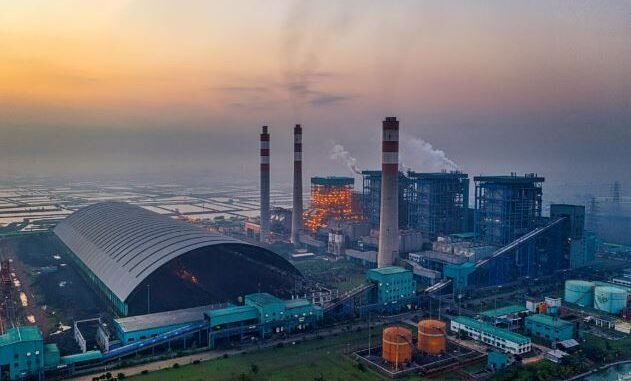
Setting up a business is never just about having a good idea or finding customers. For a manufacturing company, the real challenge often begins much earlier, with the cost of land, machinery, electricity, skilled workers and infrastructure. These expenses can determine whether a business moves forward with its investment plans or delays expansion.
Odisha is trying to make that decision easier for investors. Through its Industrial Policy Resolution 2022 (IPR 2022), the state has introduced a range of incentives aimed at attracting new industries, encouraging manufacturing and strengthening the business environment.
The policy offers financial support in several areas, including capital investment, industrial land, employment generation, electricity costs and environmentally responsible infrastructure. These measures are particularly relevant for companies planning new manufacturing facilities or expanding existing operations.
But the larger story goes beyond government subsidies. Odisha is working to develop a more diversified industrial economy, creating opportunities not only for large corporations but also for small manufacturers, technology companies, local suppliers and service providers.
A Changing Industrial Economy Is Creating New Opportunities
Odisha has traditionally been recognised for its mineral resources, steel production, aluminium and other metal-based industries. These sectors continue to play an important role in the state’s economy. However, the industrial landscape is gradually expanding into new areas.
According to the Odisha Economic Survey 2025–26, the state’s industrial sector is estimated to contribute around 41.3% of its GSVA, with its size reaching approximately ₹3.6 lakh crore. Manufacturing has also recorded encouraging growth, reflecting the increasing importance of industrial production in the state’s economy.
The government is now looking to attract investment across sectors such as electronics, pharmaceuticals, textiles, food processing, renewable energy, chemicals and automobile-related manufacturing.
This diversification matters because every new industrial project creates demand beyond the factory itself. Manufacturers need packaging companies, transport operators, engineering services, equipment suppliers, maintenance providers and skilled workers. As a result, industrial expansion can create business opportunities throughout the local economy.
For entrepreneurs, this means Odisha’s industrial growth is not an opportunity reserved only for companies with large investment budgets. Smaller businesses can also become part of the expanding industrial supply chain.
Lowering the Cost of Starting an Industrial Business
One of the biggest challenges for a new manufacturing company is the initial investment. Before production begins, businesses must arrange land, construct facilities, purchase machinery and establish essential infrastructure.
Odisha’s Industrial Policy Resolution 2022 attempts to reduce some of these financial pressures through incentives for eligible businesses.
The policy provides access to developed industrial land through the Odisha Industrial Infrastructure Development Corporation (IDCO). Industrial plots in designated areas can help businesses establish operations with access to planned infrastructure and connectivity.
Eligible units in priority and thrust sectors can also receive stamp duty exemptions and specified land registration premium benefits. These incentives can reduce the upfront financial burden of acquiring industrial property.
For a company planning to establish a factory, food processing unit or manufacturing facility, savings at the initial stage can make a meaningful difference to project costs.
However, businesses need to check land availability, sector eligibility and the applicable conditions before finalising their investment plans.
Capital Subsidies Can Encourage Manufacturing Investment
Machinery and equipment account for a significant portion of manufacturing investment. Businesses entering electronics, engineering, pharmaceuticals or other specialised sectors often need expensive production systems before they can begin commercial operations.
To encourage such investment, IPR 2022 provides capital investment subsidies for eligible businesses.
Under the policy, eligible units in priority sectors can receive a subsidy of 20% of eligible investment in plant and machinery, while qualifying thrust sector units can receive 30%. The subsidy is disbursed over five years, subject to the applicable conditions.
This support can improve the financial position of a business during its early operating years. It may also encourage existing manufacturers to invest in better machinery, expand production capacity and adopt more efficient technology.
For example, a food processing company investing in modern packaging and processing equipment may find it easier to plan expansion when a portion of its eligible capital investment is supported through government incentives.
The benefit is particularly relevant for industries that require significant machinery investment. However, the actual subsidy depends on sector classification, eligible expenditure and compliance with the policy guidelines.
Employment Incentives Are Supporting Local Hiring
Industrial growth becomes meaningful when it creates employment opportunities for local communities. For manufacturers, however, building a workforce also involves substantial recurring expenses.
Odisha’s policy includes support for eligible businesses that employ skilled and semi-skilled workers domiciled in the state.
Under IPR 2022, qualifying priority sector units can receive reimbursement of 100% of the employer’s EPF and ESI contributions for five years. For eligible thrust sector units, the reimbursement period extends to seven years.
This can help businesses manage employee-related costs while encouraging formal employment.
The benefit is especially relevant for labour-intensive sectors such as textiles, apparel, food processing and electronics assembly. These industries can create employment across different skill levels and offer opportunities for workers to develop technical capabilities.
For Odisha, stronger local hiring can also support household incomes, workforce development and economic activity in industrial towns.
Power Incentives Can Make Industrial Operations More Competitive
Electricity is an essential input for almost every manufacturing business. For industries that operate heavy machinery or require continuous production, power costs can have a direct impact on profitability.
Odisha’s industrial policy includes power-related incentives to make eligible businesses more competitive.
Qualifying priority and thrust sector units can receive electricity duty exemptions and specified power tariff reimbursements. The policy also provides support for certain renewable energy arrangements, including exemptions relating to transmission charges and other applicable electricity-related levies.
These measures are particularly important for energy-intensive industries that need reliable and affordable power to maintain production.
For investors, electricity costs are often a major consideration when comparing industrial locations. Support in this area can improve the attractiveness of Odisha as a manufacturing destination.
Green Manufacturing Is Becoming a New Investment Opportunity
Industrial expansion is increasingly linked to environmental responsibility. Businesses are under growing pressure to reduce waste, improve energy efficiency and manage water resources more carefully.
Odisha’s industrial policy includes incentives for eligible investments in green infrastructure, including wastewater treatment, effluent treatment plants and environmentally responsible industrial facilities.
Eligible projects can receive a subsidy of 25% of qualifying investment, subject to a maximum of ₹10 crore. Additional support is available for qualifying Zero Liquid Discharge systems, with subsidy support of up to 50% of eligible costs, subject to the prescribed ceiling and conditions.
This creates opportunities for businesses developing pollution-control equipment, water treatment systems, industrial recycling technology and energy-efficient infrastructure.
For manufacturers, these incentives can reduce the cost of adopting cleaner production methods. Over time, investments in resource efficiency can also help companies manage operating expenses and meet environmental requirements.
Renewable Energy Is Opening Another Industrial Avenue
As industries look for more reliable and sustainable energy sources, renewable power is becoming an important part of industrial planning.
Odisha’s policy provides incentives for eligible captive renewable energy projects, including a 30% capital investment subsidy on qualifying components. It also provides specified electricity duty and transmission-related exemptions for eligible projects.
These incentives can encourage businesses to explore solar power and other qualifying renewable energy solutions for their operations.
The opportunity extends beyond companies generating electricity. Equipment manufacturers, electrical contractors, battery storage providers, engineering firms and maintenance businesses can all participate in the renewable energy supply chain.
For industries with substantial power requirements, renewable energy can also become part of a long-term strategy to manage electricity expenses and improve sustainability.
The Investment Pipeline Is Expanding Beyond Traditional Industries
Odisha’s efforts to attract investment are increasingly visible in the range of sectors being considered for new projects.
In June 2026, the state government announced approval for 20 industrial projects across nine districts, representing proposed investments of approximately ₹76,612 crore and the potential to generate more than 50,500 employment opportunities.
The projects cover a diverse range of industries, including renewable energy equipment, pharmaceuticals, railway manufacturing, steel, rare-earth-based products and electric vehicle-related manufacturing.
In September 2026, Odisha’s investment outreach in the UAE generated investment proposals worth approximately ₹8,417 crore, with the potential to create 14,310 jobs. Areas of interest included food processing, logistics, IT services, chemicals, metals and the circular economy.
These developments indicate growing investor interest in sectors beyond the state’s traditional industrial base. However, approved projects and investment proposals should not be confused with completed investments. Their actual economic impact will depend on implementation and the start of commercial operations.
For local businesses, the expansion could create opportunities to supply materials, provide technical services and participate in new industrial value chains.
Why MSMEs Should Pay Attention to Odisha’s Industrial Expansion
Large industrial projects often dominate investment announcements, but their success depends on a strong network of smaller businesses.
A manufacturing plant needs transportation, packaging, repair services, industrial supplies, security, warehousing and regular maintenance. These requirements can create a steady market for MSMEs and local entrepreneurs.
A food processing unit, for example, may require agricultural procurement, cold storage, packaging materials and distribution services. An electronics manufacturing facility may need precision components, electrical installation and specialised equipment maintenance.
This creates an opportunity for local businesses to move beyond traditional trading and develop specialised industrial services.
Entrepreneurs who invest in quality standards, technical skills, timely delivery and reliable operations may find opportunities to work with larger manufacturers.
Odisha’s industrial expansion can therefore support a wider business ecosystem, provided local enterprises are able to meet the requirements of major industrial customers.
What Investors Should Understand Before Applying for Incentives
Government incentives can improve the financial feasibility of an industrial project, but businesses should not assume that every company automatically qualifies for all available benefits.
The first step is to understand whether the proposed activity falls under a priority sector, thrust sector or another eligible category. The classification determines which financial incentives may be available.
Investors should also examine the eligible investment components, application procedures, employment conditions and timelines. Documentation such as machinery invoices, land records, payment details and employee information may be required during the approval and reimbursement process.
It is equally important to review the latest policy amendments and operational guidelines. The original IPR 2022 framework has undergone subsequent updates, so businesses should verify the current provisions before making financial commitments.
A well-planned investment should consider not only the subsidy available but also market demand, access to raw materials, infrastructure, workforce availability and long-term operating costs.
Conclusion: Odisha’s Industrial Opportunity Goes Beyond Subsidies
Odisha is entering an important phase of industrial development. Its focus on manufacturing diversification, infrastructure, renewable energy and investment promotion is creating opportunities across several sectors.
The Industrial Policy Resolution 2022 provides a financial support framework that can help eligible businesses reduce investment costs, expand production and generate employment. But the real value of industrial development will come from what happens after the investment is announced.
More operating factories, stronger local supply chains, skilled employment and opportunities for MSMEs will determine how widely the benefits reach.
For entrepreneurs and investors, Odisha offers an opportunity to become part of a changing industrial economy. Businesses that combine sound planning with technology, quality production and long-term market demand can find room to grow as the state’s industrial ecosystem develops.
