
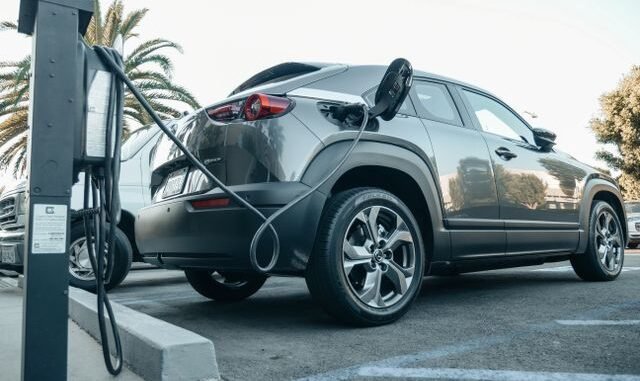
India’s transition towards electric mobility is creating opportunities that extend well beyond vehicle manufacturing and sales. As electric scooters, cars, three-wheelers and commercial fleets become increasingly common, the demand for convenient and reliable charging facilities is growing. This development is bringing the EV charging station business in India into focus as an emerging opportunity for entrepreneurs, property owners and infrastructure investors.
The business addresses a growing need in the transportation sector. Electric vehicle owners require accessible places to recharge their vehicles, whether they are travelling to work, shopping, visiting commercial establishments or undertaking long-distance journeys. This creates opportunities for charging facilities across residential complexes, shopping centres, hotels, office buildings, highways and transport hubs.
However, establishing a charging station is not simply about installing equipment and collecting payments. The commercial viability of the business depends on location, electricity costs, customer demand, equipment utilisation and operating efficiency.
The wider investment opportunity is also significant. India’s electric mobility industry is attracting capital, while charging infrastructure continues to require substantial development. This creates room for private businesses to participate in building the network needed to support the country’s expanding electric vehicle market.
1. Why Is the EV Charging Station Business Attracting Investors?
The growing interest in charging infrastructure is supported by several changes in India’s transportation and business environment.
- Increasing EV adoption: More consumers and businesses are considering electric vehicles, creating demand for accessible charging facilities.
- Expansion of commercial fleets: Electric taxis, delivery vehicles and logistics companies need dependable charging arrangements to support daily operations.
- Growing demand for convenience: EV owners prefer charging stations near workplaces, shopping destinations, residential areas and highways.
- Government support: Infrastructure development initiatives are encouraging investment in electric mobility.
- Commercial property opportunities: Hotels, restaurants, offices and shopping centres can improve their services by offering charging facilities.
- New opportunities for small businesses: Installation, equipment distribution, maintenance and charging management services can create additional income opportunities.
The opportunity is therefore not limited to operating charging stations. It also includes the wider ecosystem of services required to develop and maintain charging infrastructure.
2. How Much Investment Is Required to Start an EV Charging Station?
The investment required depends on the charging technology, equipment capacity, electricity connection, property and installation expenses. Entrepreneurs can broadly choose between AC charging and DC fast-charging facilities.
AC Charging Stations: A Practical Entry Point for Small Investors
AC chargers are suitable for locations where vehicles remain parked for several hours. They are commonly used in residential societies, offices, hotels, restaurants and shopping complexes.
Key investment considerations:
- Typical charging capacities include 7 kW, 11 kW and 22 kW.
- Indicative equipment and basic installation costs may range from ₹50,000 to ₹2.35 lakh per unit.
- Existing parking facilities can often be used, reducing additional property development expenses.
- Revenue depends on customer usage and the amount of electricity consumed.
Who should consider this model?
Small entrepreneurs, property owners and residential developers looking to introduce charging facilities without making a substantial initial investment.
DC Fast Chargers: A Larger Commercial Investment
DC fast chargers are designed for customers who need to recharge their vehicles within a shorter period. They are particularly relevant for highways, fuel stations, logistics centres, transport hubs and busy commercial locations.
Key investment considerations:
- Commercial capacities may include 30 kW, 60 kW and 120 kW or higher.
- Equipment costs may range from approximately ₹5 lakh to ₹20 lakh or more.
- Complete project costs can reach ₹10 lakh to ₹30 lakh or higher after including transformers, electrical connections, cabling and civil construction.
- Higher-capacity equipment can serve commercial vehicles and customers requiring faster charging.
Who should consider this model?
Investors with greater capital availability, highway property owners, fleet operators and businesses with access to locations that experience regular vehicle movement.
Important business consideration: Higher charging capacity does not automatically translate into higher profits. Investors should estimate actual customer demand before selecting their equipment.
3. What Are the Requirements for Setting Up a Charging Station?
Starting an EV charging station involves several technical and operational requirements. Entrepreneurs should assess these before purchasing equipment.
The essential requirements include:
- Suitable location: Choose an accessible property with sufficient space for vehicle movement and parking.
- Electricity connection: Check power availability and coordinate with the local electricity distribution company.
- Charging equipment: Select the charger type and capacity based on the expected customer base.
- Electrical infrastructure: Arrange transformers, cables, switchgear and other installations as required.
- Safety arrangements: Ensure proper earthing, electrical protection and compliance with applicable safety standards.
- Digital payment facilities: Provide convenient payment options for customers.
- Charging management software: Use monitoring systems to track electricity consumption, payments, equipment performance and charging activity.
Under the applicable government framework, establishing a public EV charging station does not require a separate electricity distribution licence. However, businesses must follow the relevant technical, safety and electricity connection requirements.
4. How Does an EV Charging Station Generate Revenue?
The primary source of income is electricity sold to EV owners. Customers generally pay according to the quantity of electricity consumed, measured in kilowatt-hours (kWh).
Consider a simple example:
- Electricity procurement cost: ₹6 per kWh.
- Customer charging price: ₹18 per kWh.
- Difference: ₹12 per kWh.
This difference represents the gross spread, not the final profit. The business must also pay for maintenance, rent, employee salaries, software services, equipment depreciation and other operating expenses.
Actual electricity costs and charging prices vary depending on location, applicable tariffs and operating arrangements.
Additional Revenue Opportunities
Entrepreneurs can explore other income sources alongside electricity sales.
- Fleet charging contracts: Partner with electric taxi and delivery companies to provide dedicated charging facilities.
- Commercial partnerships: Work with hotels, restaurants, shopping centres and office complexes.
- Parking services: Combine charging facilities with paid parking where appropriate.
- Advertising: Generate additional income through advertising space at charging locations.
- Property partnerships: Collaborate with property owners who want to introduce charging facilities without managing the entire operation.
Diversifying revenue can help businesses reduce their dependence on electricity sales alone.
5. How Profitable Is the EV Charging Station Business?
The profitability of a charging station depends primarily on customer traffic, electricity sales, operating expenses and equipment utilisation.
Indicative business estimates suggest that:
- AC charging facilities: Monthly revenue may range from approximately ₹40,000 to ₹71,000, with potential net earnings of ₹15,000 to ₹20,000 under favourable operating conditions.
- DC fast-charging facilities: Monthly revenue may range from approximately ₹1 lakh to ₹3.24 lakh or more, depending on capacity and customer demand.
These figures are illustrative estimates, not guaranteed returns. Actual financial performance can differ considerably depending on the number of chargers, daily electricity sales, rent, tariffs and maintenance expenses.
Factors That Determine Business Profitability
- Daily charging volume: Higher electricity sales can improve revenue when operating margins remain healthy.
- Location: Areas near highways, commercial centres and transportation routes may offer stronger customer potential.
- Electricity costs: Procurement tariffs directly influence the difference between buying and selling prices.
- Charger utilisation: Equipment needs sufficient usage to justify its initial cost.
- Maintenance: Regular servicing and reduced equipment downtime help protect revenue.
- Customer experience: Convenient payments, reliable equipment and transparent pricing can encourage repeat business.
Entrepreneurs should calculate their break-even point before investing. Understanding the minimum daily charging volume required to cover expenses is essential for making a sound business decision.
6. Which Business Model Should Entrepreneurs Choose?
The EV charging industry offers different operating models depending on the investor’s capital, experience and management capabilities.
A. Self-Owned and Self-Operated Model
- The entrepreneur purchases equipment and manages the entire facility.
- Revenue comes directly from charging services.
- The owner has greater control over pricing and customer experience.
- Maintenance, technical support and operating expenses remain the owner’s responsibility.
B. Charging Network Partnership
- Entrepreneurs collaborate with established charging network operators.
- Partners may provide equipment guidance, software, branding and technical assistance.
- Revenue-sharing arrangements can reduce the operational burden.
- Contract terms, service charges and investment requirements should be evaluated carefully.
C. Commercial Property-Based Model
- Hotels, shopping centres, restaurants and offices install charging facilities.
- Existing parking infrastructure can be used.
- Businesses can improve customer convenience and strengthen their commercial appeal.
- Charging services can complement their existing revenue activities.
D. Dedicated Fleet Charging Model
- Entrepreneurs develop charging facilities for electric taxis, delivery vehicles and logistics operators.
- Commercial agreements can provide more predictable demand.
- Regular charging schedules can improve equipment utilisation.
- Reliable electricity supply and appropriate charging capacity are essential.
For first-time investors, a partnership with an experienced charging network operator may help simplify technical and operational responsibilities.
7. Government Support for EV Charging Infrastructure
Government initiatives are helping create a supportive environment for electric mobility infrastructure.
Under the PM E-DRIVE scheme, ₹2,000 crore has been allocated towards public EV charging infrastructure. The broader objective is to improve charging availability across cities, highways and other important transportation locations.
Government initiatives are focused on:
- Expanding public charging infrastructure.
- Improving charging accessibility in smaller cities.
- Encouraging private investment.
- Supporting the development of electric transportation networks.
- Strengthening the infrastructure required for wider EV adoption.
However, entrepreneurs should understand that government allocations for infrastructure development do not automatically provide direct subsidies to every private charging station. Financial assistance depends on the relevant scheme conditions and project eligibility.
8. What Challenges Should Investors Consider?
Although the sector offers growth opportunities, entrepreneurs should understand the commercial risks before committing their capital.
High Initial Investment: Fast-charging equipment, transformers and electrical infrastructure can require substantial capital.
Low Charger Utilisation: Limited customer traffic can make it difficult to recover fixed operating expenses.
Electricity Costs: Tariffs and demand charges can reduce the business’s operating margins.
Maintenance Requirements: Technical problems and equipment downtime can affect revenue and customer confidence.
Location Constraints: Poor accessibility or limited EV movement can weaken customer demand.
Technology Changes: Improvements in charging systems and vehicle technology may create future upgrade requirements.
A detailed feasibility study and realistic financial projections can help investors assess these risks before launching operations.
9. Opportunities for Small Businesses Beyond Charging Stations
Entrepreneurs do not necessarily need to establish a complete charging network to participate in the electric mobility economy. Several supporting business opportunities are emerging.
- Charger installation: Electrical contractors can provide wiring, installation and commissioning services.
- Equipment distribution: Businesses can supply charging units, cables and electrical components.
- Repair and maintenance: Technical service providers can offer equipment inspections and regular servicing.
- Software solutions: Technology companies can develop charging management, payment and monitoring platforms.
- Site management: Property owners can lease suitable spaces to charging network operators.
- Fleet infrastructure: Local businesses can develop charging arrangements for commercial vehicle operators.
These opportunities allow small and medium-sized enterprises to participate in the EV ecosystem without necessarily taking on the entire investment required to operate a public charging station.
10. What Should Entrepreneurs Check Before Investing?
Before setting up a charging station, investors should evaluate a few essential business factors:
- Is there sufficient EV movement in the proposed location?
- Which vehicle categories are most common in the area?
- How many competing charging stations are already operating nearby?
- What will be the total equipment and installation cost?
- Is adequate electricity supply available?
- What electricity tariff will apply?
- How much charging demand can realistically be generated every day?
- Which operating model offers the best financial and operational suitability?
- What are the monthly expenses and expected break-even requirements?
- Is there sufficient scope to expand the facility in the future?
Answering these questions can help entrepreneurs avoid unnecessary expenditure and develop a business model based on actual market demand.
The Growing Business Potential of India’s EV Charging Economy
The EV charging station business in India is gradually becoming an important part of the country’s infrastructure economy. Its commercial potential extends beyond electricity sales, creating opportunities across real estate, hospitality, logistics, electrical equipment, technology and maintenance services.
For entrepreneurs, the most important decision is choosing an investment model that matches local demand and financial capacity. A small AC charging facility may be suitable for a commercial property owner, while a high-capacity DC charging station may be more appropriate for investors with access to capital, reliable electricity infrastructure and locations with regular vehicle movement.
The long-term success of this industry will depend not simply on increasing the number of charging stations but on making them accessible, reliable, affordable and commercially sustainable.
As electric mobility expands across India, charging infrastructure is moving from a supporting service to an emerging business sector. Entrepreneurs who combine careful investment planning with a clear understanding of customer requirements can find meaningful opportunities in this evolving mobility economy.
