
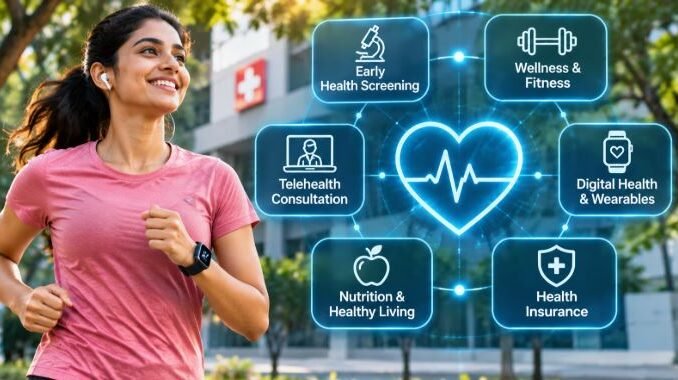
India’s healthcare industry is undergoing an important shift. Traditionally, healthcare services have largely focused on diagnosing and treating illnesses after people develop symptoms. Increasingly, however, greater attention is being given to prevention, early detection and long-term health management.
Consumers are becoming more conscious of the importance of regular health check-ups, physical activity, balanced nutrition and mental well-being. Rising awareness of lifestyle-related health risks, concerns about medical expenses and wider access to digital health services are encouraging people to take a more active role in managing their health.
This changing approach is creating opportunities across a much wider healthcare ecosystem. Diagnostic centres, hospitals, wellness providers, nutrition businesses, health technology developers and insurance companies are all exploring ways to serve growing demand for preventive services.
For businesses, the opportunity extends beyond traditional medical treatment. Preventive healthcare offers scope for recurring services, specialised products, technology-led solutions and partnerships across different parts of the healthcare industry.
The supplied research indicates that around 90% of Indian consumers use health applications or wearable devices, compared with approximately 80% globally. This growing engagement with digital health reflects the potential for technology-enabled services, although commercial success will depend on affordability, reliability and consumer trust.
Early Disease Detection Is Expanding the Diagnostic Market
Early detection is becoming an important part of preventive healthcare. Regular health screenings and diagnostic tests can help individuals monitor important health indicators and identify potential concerns that may require professional attention.
This is creating opportunities for diagnostic laboratories, pathology centres, imaging facilities and specialised healthcare providers. Businesses are expanding their preventive health offerings through routine screening packages, diabetes assessments, cardiovascular checks and other clinically appropriate tests.
Convenience is also influencing the market. Home sample collection, digital booking facilities and online access to diagnostic reports are making healthcare services easier to access. These developments are particularly relevant for working professionals, older consumers and people who prefer to manage routine health checks without frequent visits to diagnostic facilities.
From a business perspective, preventive diagnostics can create more consistent customer engagement. Providers can develop individual screening packages, corporate health programmes and recurring service arrangements rather than relying entirely on illness-related testing.
However, long-term growth in this segment will depend on maintaining accurate testing standards and responsible medical interpretation. Diagnostic businesses must focus on genuine healthcare needs rather than encouraging unnecessary investigations.
The Wellness Industry Is Creating New Revenue Opportunities
Preventive healthcare is also expanding the commercial role of the wellness industry. Consumers are increasingly spending on fitness programmes, nutrition guidance, sleep management, stress reduction and mental well-being.
This shift is encouraging fitness centres, yoga studios, nutrition professionals and wellness service providers to develop more specialised offerings. Businesses are moving beyond basic memberships towards personalised fitness plans, structured wellness programmes and services that support long-term lifestyle changes.
The food and nutrition sector is also benefiting from changing consumer preferences. Greater interest in balanced diets and healthier food choices is creating opportunities for nutritious meal services, health-focused food products and professional nutrition guidance.
For businesses, membership programmes and recurring service packages can help establish more predictable revenue streams. They can also encourage stronger customer relationships by supporting consumers over an extended period.
The commercial opportunity, however, depends on credibility. Consumers increasingly need reliable information and practical guidance, making evidence-based services and qualified professionals important differentiators in a competitive wellness market.
AI and Wearable Technology Are Reshaping Preventive Care
Technology is becoming an important part of preventive healthcare by making health information easier to access and monitor. Smartwatches, fitness trackers and connected devices allow consumers to observe activity levels, sleep patterns and certain health measurements.
Artificial intelligence (AI) adds another layer of potential by helping analyse health-related information and identify patterns that may require further attention. Digital platforms can also support appointment management, patient communication and follow-up consultations.
These developments are creating opportunities for businesses involved in wearable technology, health applications, remote monitoring systems, data analytics and healthcare software.
For healthcare providers, digital tools can improve communication with patients and support more convenient service delivery. For technology companies, the growing demand for connected healthcare solutions creates scope to develop products and services for individuals, medical professionals and institutions.
Nevertheless, consumer health devices should not be treated as replacements for medical diagnosis. Technology can help monitor information, but professional assessment remains essential when results indicate a possible health concern. Companies operating in this segment must also prioritise data security and responsible handling of sensitive health information.
Corporate Wellness Is Becoming a Business Priority
Preventive healthcare is gaining importance within the corporate sector as employers pay greater attention to employee well-being.
Workplace health can influence productivity, absenteeism and staff retention. As a result, businesses are increasingly exploring employee health assessments, fitness initiatives, mental wellness support and preventive screening programmes.
This is creating opportunities for healthcare providers and wellness companies to develop services for corporate clients. Employers can work with diagnostic centres, hospitals and specialised providers to organise employee health programmes and make professional guidance more accessible.
For service providers, corporate wellness can offer access to larger customer groups and recurring business contracts. It also creates opportunities to develop specialised offerings in workplace fitness, nutrition, stress management and employee health monitoring.
The growing interest in workplace well-being demonstrates how preventive healthcare is becoming relevant not only to individual consumers but also to organisations looking to support a healthier workforce.
Health Insurance Is Giving Greater Attention to Prevention
The insurance industry is another important part of the preventive healthcare economy. Traditionally, health insurance has focused largely on covering expenses related to illness, hospitalisation and medical treatment. Greater interest in preventive health is encouraging insurers to explore additional services that support customer well-being.
Preventive health check-ups, wellness consultations, digital health programmes and activity-based incentives are among the areas receiving attention.
For insurers, these services provide opportunities to strengthen customer engagement and build partnerships with healthcare providers. For consumers, they can improve access to health information and encourage more regular interaction with medical professionals.
This development also creates commercial opportunities for diagnostic networks, hospitals, digital health platforms and wellness providers that can work with insurance businesses.
The success of such services will depend on their practical value to customers, clear service terms and responsible use of health information.
Startups and Entrepreneurs Are Finding New Market Opportunities
The expansion of preventive healthcare is creating opportunities for startups and entrepreneurs across several business segments. Participation in this market does not necessarily require building a hospital or operating a large medical facility.
Specialised services and technology-based solutions can address specific consumer needs while operating through more focused business models.
Some emerging opportunity areas include:
- Digital health platforms: Services that connect consumers with healthcare professionals, screening facilities and wellness programmes.
- Preventive diagnostics: Affordable screening packages, home sample collection and convenient access to testing.
- Health technology: Wearable devices, remote monitoring systems and digital health management tools.
- Nutrition and wellness: Personalised nutrition guidance, healthier food products and structured fitness services.
- Corporate healthcare: Employee screening, workplace wellness programmes and mental health support.
- Mental well-being: Counselling access, stress management and digital support services.
For entrepreneurs, the opportunity lies in identifying gaps in existing healthcare services and developing solutions that are accessible, reliable and commercially sustainable.
Businesses that combine professional expertise with convenient delivery models may be better positioned to establish customer trust and build lasting demand.
Challenges That Healthcare Businesses Must Address
Despite its commercial potential, the preventive healthcare market involves challenges that businesses must consider before expanding their services.
Affordability and accessibility: Health screenings, wearable devices and personalised wellness programmes may remain beyond the reach of some consumers. Businesses need to develop services that offer value across different income groups.
Data privacy and security: Digital health platforms handle sensitive personal information. Secure data management, appropriate consent and responsible use of customer information are essential.
Medical credibility: Preventive services must be supported by reliable evidence and appropriate professional guidance. Exaggerated claims, unnecessary testing and misleading health recommendations can damage customer confidence.
Qualified professionals: Growing demand for preventive services requires trained healthcare workers, nutrition professionals and other specialists who can maintain service quality.
Building consumer trust: Health-related decisions are personal and often sensitive. Businesses need to demonstrate transparency, service reliability and a genuine commitment to customer well-being.
Addressing these issues will be essential for companies seeking sustainable growth. In preventive healthcare, commercial success is closely connected to the quality and credibility of the services being offered.
Conclusion
Preventive healthcare is developing into an important part of India’s wider healthcare economy. The growing emphasis on early detection, wellness and long-term health management is creating opportunities for established medical providers as well as businesses operating in technology, nutrition, fitness and insurance.
For investors and entrepreneurs, the sector offers scope to develop new services, build partnerships and respond to changing consumer needs. Diagnostic providers can expand screening services, technology companies can develop digital health solutions, and wellness businesses can create more structured programmes for individuals and corporate customers.
However, the strength of this market will depend on more than consumer demand. Affordability, professional standards, data protection and reliable health information will determine whether businesses can build lasting customer relationships.
The most promising opportunities are likely to come from companies that combine commercial discipline with a clear understanding of healthcare needs. By making preventive services more accessible, convenient and trustworthy, businesses can contribute to a stronger healthcare ecosystem while establishing sustainable opportunities for growth.
