
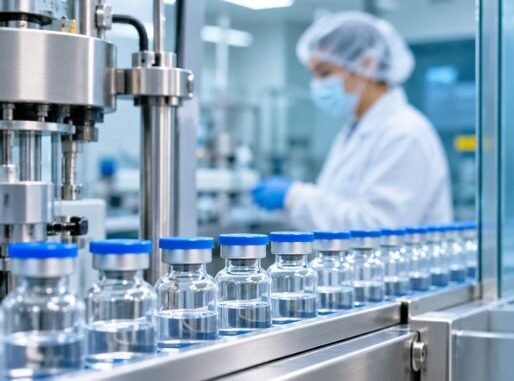
Ireland has developed into one of Europe’s leading centres for pharmaceutical manufacturing. International investment, advanced production facilities and a skilled workforce have helped the country build a strong position in the global healthcare industry.
The sector is becoming increasingly important as demand grows for medicines used to treat diabetes, obesity and other long-term health conditions. Pharmaceutical manufacturers are investing in advanced production methods and expanding their capabilities to meet changing healthcare needs.
This growth is also creating business opportunities across Ireland. Manufacturing expansion increases demand for engineering, construction, specialist equipment, technology, packaging and logistics services. As a result, the benefits extend beyond medicine production to a wider network of businesses and skilled workers.
According to a March 2026 industry report, Ireland’s pharmaceutical exports reached approximately €139 billion in 2025, representing 53% of the country’s total goods exports. The sector also accounted for around 41% of modified gross national income, while pharmaceutical manufacturing and related activities supported approximately 75,000 workers.
These figures demonstrate the importance of pharmaceutical manufacturing to Ireland’s economy and its wider healthcare supply chain.
Global Investment Is Strengthening Medicine Production
International investment has played an important role in developing Ireland’s pharmaceutical manufacturing industry. Over several decades, the country has attracted major global manufacturers looking for a reliable base for producing medicines and supplying international markets.
The industry has gradually moved beyond traditional pharmaceutical production towards more advanced medicines, biologics and complex manufacturing processes.
This change is important for healthcare because modern treatments often require specialised production facilities, strict quality controls and advanced technology. Manufacturers must maintain consistent standards while ensuring that medicines can be produced safely and reliably.
Investment in production facilities also creates opportunities for businesses supplying machinery, engineering services, construction, maintenance and manufacturing technology.
For Ireland, attracting further investment can support employment, strengthen exports and improve the country’s position in the international healthcare industry.
Growing Demand for Advanced Medicines Creates New Opportunities
One of the main developments shaping the industry is the growing demand for advanced medicines, particularly biologics and treatments for long-term health conditions.
Biologics are medicines produced using living cells or biological processes. Their manufacture requires specialised equipment, carefully controlled environments and highly trained employees.
Demand for treatments related to diabetes and obesity has also contributed to the recent growth in pharmaceutical exports. The industry report highlights a significant increase in exports of hormone-based products to the United States, with their value nearly quadrupling. These products represented approximately 20% of Ireland’s total goods exports in 2025.
For healthcare, this reflects the growing importance of medicines used to manage major health conditions. For manufacturers, it creates opportunities to expand production and invest in more advanced facilities.
Businesses involved in laboratory equipment, production technology, quality testing and specialist engineering can also benefit from the industry’s changing requirements.
Ireland’s Pharmaceutical Industry Supports Jobs and Exports
Pharmaceutical manufacturing is a major contributor to Ireland’s international trade. In 2025, pharmaceutical exports reached approximately €139 billion, making the sector responsible for more than half of the country’s goods exports.
The industry also provides employment across manufacturing, research, engineering, quality management and technical services.
Around 75,000 workers are employed in pharmaceutical manufacturing and related activities, although the report distinguishes between broader sector employment and manufacturing jobs. Approximately 28,000 people work directly in pharmaceutical manufacturing.
This creates opportunities for people with backgrounds in science, biotechnology, engineering and production management. It also supports demand for specialist training and technical education.
For local businesses, the expansion of manufacturing facilities can create long-term demand for maintenance, equipment, logistics, packaging and professional services.
The wider economic benefit comes from the connections between international manufacturers, local suppliers and the skilled workforce supporting the industry.
Why Ireland Remains Attractive for Pharmaceutical Investment
Ireland’s established manufacturing base is one of its main advantages. The country has developed a strong network of pharmaceutical facilities and is recognised for its capabilities in biologics and advanced therapeutics.
The industry report notes that Ireland hosts operations of the world’s 15 largest pharmaceutical companies and has the highest number of FDA-registered pharmaceutical manufacturing sites per capita in Europe.
Access to the European market, an experienced workforce and support for research and development also contribute to the country’s investment appeal.
These advantages help manufacturers establish and expand operations while giving them access to specialist suppliers and technical expertise.
For healthcare businesses, this established environment supports the development and production of complex medicines. For the wider economy, it creates opportunities to attract investment, develop skills and strengthen industrial activity.
Global Trade and Healthcare Demand Bring Both Opportunities and Risks
Despite strong export performance, Ireland’s pharmaceutical industry remains exposed to changes in international trade.
More than 60% of the country’s pharmaceutical exports went to the United States in 2025, while its three largest export markets together accounted for more than 80%. This concentration makes the industry sensitive to changes in international trade policy, medicine pricing and manufacturing strategies.
The report also explains that some of the exceptional export growth in 2025 was influenced by companies moving shipments ahead of expected US trade announcements. This means that the record figures should not be viewed as a simple measure of long-term demand.
Pricing pressure is another important concern. Changes in healthcare policies and efforts to increase domestic medicine production in major markets could influence future investment decisions.
For Ireland, maintaining strong international relationships and competitive manufacturing conditions will be important. Businesses will also need to focus on production efficiency, product quality and dependable supply chains.
Infrastructure and Skills Will Shape Future Growth
The continued expansion of pharmaceutical manufacturing depends on reliable infrastructure. Modern production facilities require consistent electricity, water supplies, transport connections and suitable industrial locations.
The industry report identifies housing, water and electricity as important infrastructure pressures that could affect Ireland’s competitiveness.
Access to skilled employees is another consideration. As manufacturing becomes more advanced, companies need workers with knowledge of biotechnology, engineering, production systems and quality control.
Investment in training, research and infrastructure will therefore be important for supporting future development.
There is also an opportunity for local suppliers to strengthen their capabilities and become more involved in the pharmaceutical supply chain. This could help Ireland gain wider economic benefits from international investment.
The Future of Pharmaceutical Manufacturing in Ireland
Ireland’s pharmaceutical manufacturing industry is entering an important period of development. Growing healthcare needs, demand for advanced medicines and continued international investment are supporting opportunities in biologics, specialist production and manufacturing technology.
The benefits extend beyond pharmaceutical companies. Suppliers, engineering businesses, construction firms, logistics providers and specialist service companies all have opportunities to support the industry’s expansion.
For healthcare, a strong manufacturing base is important for producing complex medicines and supporting international supply chains. For the Irish economy, the sector contributes to exports, skilled employment and investment.
However, future growth will depend on how effectively the country manages infrastructure pressures, international trade risks and its reliance on a concentrated group of export markets.
By strengthening its workforce, improving infrastructure and supporting advanced manufacturing, Ireland can build on its established position in the global pharmaceutical industry while creating further opportunities for businesses and the wider healthcare sector.
