
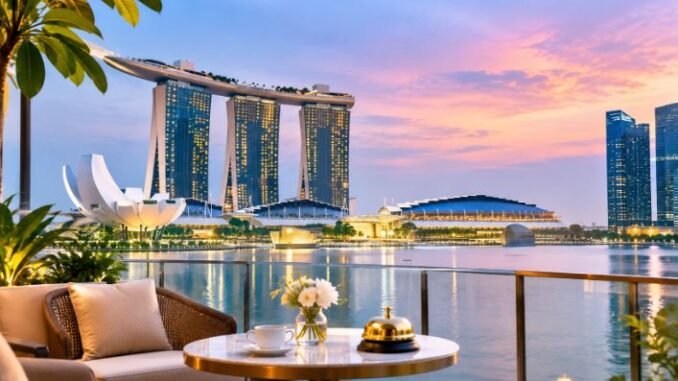
Singapore’s luxury hospitality industry is becoming an increasingly important part of the country’s tourism and services economy. Its position as an international business centre, combined with strong visitor demand, major events and a reputation for premium experiences, continues to attract global hospitality operators and investors.
However, the business of luxury hospitality is changing. Travellers are looking beyond accommodation and expecting personalised service, exceptional dining, wellness facilities and exclusive experiences. This is encouraging hospitality businesses to rethink how they attract customers, generate revenue and differentiate themselves in a competitive market.
For international operators and property investors, Singapore offers opportunities to build premium hospitality businesses, but entering the market requires substantial capital and careful planning. Limited land availability, high property costs and operating expenses are influencing investment strategies. As a result, the focus is increasingly on improving the value of existing properties, attracting high-spending guests and generating income from multiple services.
High-Spending Travellers Are Reshaping Hospitality Demand
Singapore attracts visitors from major international markets, including China, the United States and Japan. These include affluent holidaymakers, corporate executives, business delegates and travellers attending international entertainment and sporting events.
Their spending patterns are influencing how premium hospitality businesses position their services. Many high-value visitors place importance on privacy, personalised attention, convenient locations, quality dining and access to exclusive experiences.
International conferences, exhibitions, concerts and sporting events also create commercial opportunities. During major events, demand for well-located premium accommodation can increase as visitors look for convenience and high service standards.
For hospitality operators, this creates an opportunity to increase revenue per guest rather than focus solely on room occupancy. Visitors who spend on accommodation, restaurants, wellness facilities and private experiences can contribute to several areas of a property’s business.
This approach also encourages operators to develop more targeted marketing strategies, build relationships with repeat customers and design packages around specific traveller needs.
Property Conversions Are Creating New Investment Opportunities
Expanding a luxury hospitality business in Singapore can be expensive. Limited land availability, high property prices and lengthy development processes make new hotel construction a significant investment decision.
This is encouraging greater interest in existing properties, refurbishment projects and partnerships with established hospitality operators. Repositioning an existing property can offer an alternative route to entering or expanding within the premium market.
For property owners, working with an international hospitality group can provide access to established distribution networks, brand recognition, customer loyalty programmes and operational expertise. For operators, partnerships and conversions can support expansion without relying entirely on new developments.
However, converting a property into a premium hospitality business requires careful financial assessment. Refurbishment costs, employee training, technology upgrades and service improvements can involve substantial investment.
The commercial value of a conversion depends on whether the property can attract sufficient demand, support premium pricing and generate returns that justify the investment. Location, property condition and the strength of the operating partnership are therefore important considerations.
Diversified Revenue Is Becoming Central to Hotel Profitability
Accommodation remains the foundation of the luxury hospitality business, but relying only on room revenue can limit a property’s earning potential.
Premium hospitality operators are increasingly developing additional services such as fine dining, rooftop restaurants, bars, wellness centres, spas, private lounges and event facilities. These offerings can generate revenue from both overnight guests and local customers.
Singapore’s established commercial and lifestyle districts provide opportunities to connect hospitality services with shopping, entertainment and business activity. This allows properties to attract customers for different purposes throughout the day.
For investors, diversified revenue can make a hospitality business less dependent on accommodation demand alone. A well-managed restaurant, event space or wellness facility can contribute additional income and strengthen the property’s overall market position.
However, diversification must be supported by effective cost management. Each additional service requires staff, maintenance, marketing and operational investment. Businesses need to understand which facilities generate sufficient customer demand and which contribute meaningfully to profitability.
Personalised Experiences Are Strengthening Customer Value
Luxury travellers increasingly expect services that reflect their individual preferences. They may look for tailored dining recommendations, private experiences, flexible arrangements and assistance with planning their stay.
Hospitality businesses are responding through customer-management systems and more personalised service models. By understanding guest preferences and previous interactions, employees can provide more relevant recommendations and respond more effectively to individual requests.
Local experiences are also becoming an important part of premium tourism. Visitors may want to explore Singapore’s food culture, heritage districts, architecture and lifestyle attractions rather than rely entirely on conventional tourist activities.
For operators, combining international service standards with local character can create a distinctive market position. It can also support stronger customer relationships, positive reviews and repeat bookings.
The business impact extends beyond customer satisfaction. A memorable experience can encourage guests to spend more during their stay, return on future visits and recommend the property to other travellers.
Brand Strength and Customer Loyalty Support Revenue Growth
International hospitality groups benefit from established brand recognition and access to global customer networks. Their loyalty programmes encourage frequent travellers to return through rewards, room benefits, exclusive services and special booking privileges.
For operators, these programmes can support direct reservations and reduce dependence on third-party booking platforms. They also provide opportunities to understand customer preferences and develop targeted offers for repeat visitors.
Independent and regional hospitality businesses can compete through a different approach. Their strengths may include distinctive design, local expertise, specialised experiences and highly personalised service.
This creates a competitive environment where brand recognition is valuable, but the quality of the guest experience remains essential. Maintaining service standards and building customer trust are important to securing repeat business and protecting premium pricing.
Rising Operating Costs Are Testing Profitability
Despite the commercial opportunities, operating a premium hospitality property in Singapore requires substantial financial resources. Property expenses, employee salaries, utilities, maintenance, food supplies and refurbishment costs can place pressure on profit margins.
Labour management is particularly important. Luxury guests expect attentive service, experienced staff and well-maintained facilities. Meeting these expectations requires continuous investment in recruitment, training and employee retention.
Pricing decisions also have a direct impact on financial performance. Higher room rates can support revenue, but they must reflect customer demand and the value delivered. Excessive discounting can weaken a property’s premium position, while prices that are too high may affect occupancy.
For investors and operators, profitability must be assessed through a wider set of measures. Occupancy, average daily rate, revenue per available room, additional guest spending and operating expenses all influence the financial performance of a property.
Strong cost controls, effective workforce planning and regular performance reviews are therefore essential to maintaining a sustainable hospitality business.
Technology Is Improving Operational Efficiency
Digital technology is becoming an important tool for managing hospitality operations. Reservation platforms, customer-management systems and data analytics can help businesses coordinate bookings, understand guest preferences and monitor performance.
Revenue management technology can also help operators respond to changing demand. By analysing booking patterns, seasonal trends and market conditions, management teams can make more informed decisions about room pricing and promotional activity.
Digital systems can improve communication between departments, support faster responses to guest requests and help manage housekeeping and maintenance schedules. Artificial intelligence may also assist with customer enquiries, demand forecasting and routine administrative work.
For hospitality businesses, these tools can improve productivity and provide better visibility into operating costs. However, technology must support rather than replace personal service. The value of a luxury experience still depends heavily on the quality of interaction between employees and guests.
Business Opportunities Across the Hospitality Value Chain
Singapore’s luxury hospitality market creates opportunities for a wider network of businesses beyond property owners and accommodation operators.
Refurbishment projects can generate demand for construction companies, architects, interior designers and furniture suppliers. Premium dining developments create opportunities for food businesses, specialist suppliers and restaurant operators. Wellness facilities, event services and hospitality technology providers can also benefit from investment in the premium tourism sector.
There is also scope for partnerships between property owners, international operators and specialist service providers. Such arrangements can bring together investment capital, operational expertise and established customer networks.
For investors, the important consideration is whether a business model can deliver sustainable returns after accounting for property costs, operating expenses and future capital requirements. A premium market position can support higher prices, but long-term financial performance depends on consistent demand, effective management and the ability to generate revenue across different services.
Conclusion
Singapore’s luxury hospitality market is increasingly shaped by high-value customers, personalised experiences and diversified revenue opportunities. International operators and investors are looking beyond accommodation alone, developing broader hospitality offerings that include dining, wellness, entertainment and premium guest services.
This creates opportunities across the wider business ecosystem, from property refurbishment and restaurant operations to technology and hospitality management. At the same time, high investment requirements and operating costs make financial discipline essential.
For hospitality businesses, the priority is to build a model that combines strong customer experiences with efficient operations and sustainable revenue. Those that understand the expectations of affluent travellers, manage costs carefully and make effective use of their properties will be better positioned to create lasting commercial value in Singapore’s premium tourism market.
