
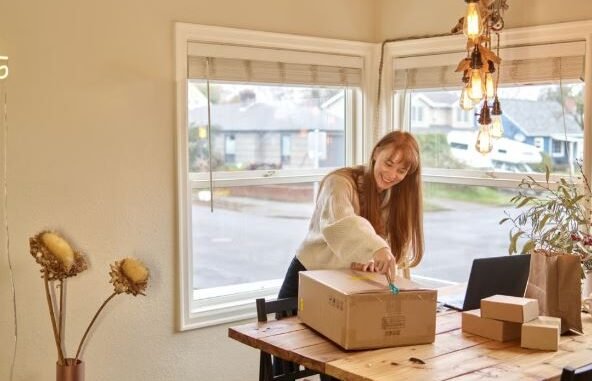
Buying furniture and decorating a home once meant spending weekends visiting showrooms, comparing designs and trying to imagine how a particular sofa, table or lighting fixture would look in a living room. Today, much of that journey begins online. Consumers can browse thousands of products, compare prices, explore design inspiration and purchase furniture without leaving their homes.
This change is doing more than making shopping convenient. It is reshaping the business of home furnishings, creating new opportunities for retailers, manufacturers, designers, logistics providers and independent craft businesses. E-commerce has opened the market to a wider range of customers while changing how products are marketed, sold, delivered and experienced.
As digital shopping becomes a more established part of the furniture and home décor industry, businesses are being encouraged to rethink traditional retail models. The future of the market will increasingly depend on how effectively companies combine digital convenience with the trust, product experience and personalised service that home furnishing purchases often require.
A growing market moves towards digital retail
The global home décor market continues to attract interest as consumers invest in making their living spaces more comfortable, functional and visually appealing. Market estimates place its potential value at approximately $126 billion to $139 billion in 2026, although estimates vary depending on the products and market segments included.
Online retail is becoming an important part of this expansion. Consumers are increasingly comfortable purchasing home accessories, furnishings and even larger furniture items through websites and digital marketplaces. Wider internet access, digital payments, improved delivery services and changing lifestyles have helped make online shopping a regular part of the home improvement journey.
India presents an especially interesting opportunity. Its expanding middle class, growing urban population, increasing internet penetration and rising interest in contemporary interiors are supporting demand for furniture and home décor products. Industry forecasts suggest that online home décor and furniture retail could grow at annual rates ranging from around 11% to 17%, depending on the segment and forecast period.
For businesses, this represents an opportunity to reach customers beyond traditional retail locations. A furniture manufacturer or home décor brand can now connect with buyers across multiple cities and regions without having to establish a physical showroom in every market.
Online platforms are changing how consumers discover products
One of the biggest advantages of e-commerce is the range of products available to shoppers. Traditional stores are limited by showroom space and local inventory, whereas online platforms can display extensive collections covering different styles, materials, colours and price points.
Customers can move between minimalist furniture, contemporary lighting, traditional wooden pieces, decorative accessories and handcrafted products within minutes. They can also compare specifications, dimensions, customer reviews and prices before making a decision.
This wider product discovery is particularly valuable in a diverse market such as India. Regional crafts, textiles, pottery, paintings and woodwork can reach customers who may never have encountered these products in local stores.
For small manufacturers and artisans, online platforms can provide access to a much larger customer base. Products rooted in regional traditions can find buyers in metropolitan cities and potentially international markets. This creates opportunities for craft-led businesses to develop stronger brands while bringing greater visibility to local design and manufacturing communities.
However, greater visibility also brings competition. Sellers must communicate product quality, craftsmanship, dimensions and material details clearly if they want their products to stand out in an increasingly crowded digital marketplace.
Virtual technology is bringing the showroom into the home
One of the longstanding challenges of buying furniture online has been the inability to see how an item will look in an actual room. A sofa may appear attractive in a product photograph but turn out to be too large for a living space. A particular shade of paint or fabric may also look different under household lighting.
Technology is beginning to address these concerns.
Augmented reality tools allow customers to preview furniture and décor products in their own rooms using smartphones or other digital devices. AI-powered visualisation can help shoppers explore different layouts, colours and design combinations. High-quality product images, room inspiration galleries, videos and virtual consultations further support purchasing decisions.
These features are commercially important because they can reduce uncertainty and help customers make more confident choices. For retailers, better product visualisation may also help reduce avoidable returns, although the results depend on the accuracy of the technology and product information.
Digital tools are therefore becoming more than attractive website features. They are increasingly part of the customer experience and a way for home furnishing businesses to differentiate themselves.
The rise of omnichannel retail
Despite the growth of online shopping, physical showrooms continue to play an important role in the furniture industry. Customers often want to test a mattress, feel a fabric, examine the finish of a wooden table or assess the comfort of a sofa before committing to a purchase.
This is driving the development of omnichannel, or ‘phygital’, retail models that combine digital platforms with physical experiences.
A customer might discover a product online, visit a nearby experience centre to examine it, customise the finish and complete the purchase through an app. Retailers can also use physical stores as demonstration spaces or fulfilment points while maintaining a wider online catalogue.
For businesses, this approach offers a way to combine the reach of e-commerce with the confidence created by physical interaction. It can also provide valuable information about customer preferences, popular designs and regional demand.
Rather than viewing online and offline retail as competing channels, successful businesses are increasingly treating them as connected parts of one shopping experience.
Personalisation and sustainability are influencing purchasing decisions
Home furnishing purchases are closely connected to personal taste and lifestyle. Consumers increasingly want products that suit their available space, preferred colours and individual design preferences.
This is creating demand for customisable furniture, modular storage, made-to-order products and furnishings designed for smaller urban homes. Online platforms make it easier for customers to explore different configurations, select finishes and compare available options.
Sustainability is another growing consideration. Interest in responsibly sourced wood, bamboo, natural fibres, recycled fabrics and durable furniture is encouraging businesses to communicate more clearly about materials and manufacturing practices.
For retailers, this creates opportunities to develop product ranges around quality, durability and responsible sourcing. However, sustainability claims must be supported by credible information. Customers are becoming more attentive to the difference between genuine environmental practices and marketing language.
Businesses that can combine attractive design, practical functionality and transparent product information may be better placed to build lasting customer relationships.
Logistics: The real test of online furniture retail
Selling a decorative cushion online is relatively straightforward. Delivering a large wardrobe, dining table or delicate lighting fixture is a different challenge.
Furniture and home décor products often require specialised packaging, careful handling and coordinated transportation. Fragile surfaces can be damaged during transit, while bulky items may need special delivery vehicles, installation teams or scheduled home appointments.
This makes logistics one of the most important parts of the online home furnishing business.
Retailers must manage warehouse operations, inventory visibility, delivery timelines, reverse logistics and customer support. Some products also require assembly or professional installation, adding another layer to fulfilment.
The growing demand for large-item delivery is creating opportunities for specialised logistics providers, packaging manufacturers, warehousing businesses and last-mile delivery services.
For e-commerce retailers, logistics performance can directly influence profitability. Product damage, delayed deliveries and expensive returns can reduce margins even when sales volumes are growing. Businesses that invest in better packaging, inventory systems and delivery coordination can gain an important operational advantage.
New opportunities for manufacturers and independent businesses
E-commerce is also changing the relationship between manufacturers and consumers. Traditional furniture businesses often depended heavily on distributors, dealers and physical retail networks. Digital channels allow manufacturers to explore direct-to-consumer models and build closer relationships with buyers.
This can offer greater control over branding, product presentation and customer feedback. It may also allow manufacturers to test new collections and understand demand before committing to large production volumes.
Independent designers and artisans can benefit from this shift as well. Online marketplaces and social commerce provide routes to market that were previously difficult for small businesses to access. A regional craft producer can showcase products nationally, while a specialist furniture workshop can reach customers looking for distinctive or customised pieces.
At the same time, moving online requires investment in photography, digital marketing, customer service, technology and fulfilment. Businesses must also manage marketplace commissions, advertising expenses and price competition.
The opportunity is significant, but a strong product alone is no longer enough. Commercial success increasingly depends on the ability to create a recognisable brand and deliver a dependable customer experience.
What the future holds for the home furnishings industry
The relationship between e-commerce and home furnishings is likely to become even more integrated as technology and consumer expectations evolve. Artificial intelligence, virtual room planning, personalised recommendations and improved delivery systems will continue to influence how customers discover and purchase products.
For businesses, the next stage will involve building retail models that balance digital reach with physical product experience. Retailers will need accurate product information, responsive customer support and efficient supply chains. Manufacturers will need to respond more quickly to changing preferences, while logistics providers will face growing demand for reliable large-item delivery.
The wider opportunity extends beyond online furniture sales. It includes digital design services, home visualisation technology, sustainable materials, craft-led commerce, specialised warehousing and customised manufacturing.
E-commerce is ultimately changing the home furnishings industry by making the market more accessible, competitive and connected. The businesses most likely to benefit will be those that understand that customers are not simply buying a piece of furniture or a decorative accessory. They are investing in the spaces where they live, work and spend their time. Companies that make that experience easier, more personal and more reliable will have an important role in shaping the next chapter of the home décor market.
