
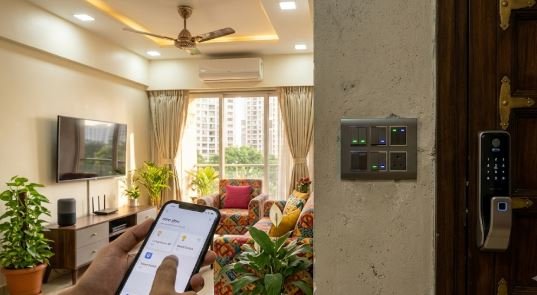
The Indian home improvement industry is entering a new phase as technology becomes an increasingly important part of residential design and renovation. Homeowners are looking beyond attractive interiors, modern furniture and conventional electrical fittings. They are also seeking greater convenience, improved security, better energy management and more control over everyday household activities.
Smart home automation is helping make this possible. Through connected devices, sensors, mobile applications and central control systems, homeowners can manage lighting, appliances, curtains, temperature and security from their smartphones or through automated settings.
What was once largely associated with premium residential properties is gradually becoming a wider opportunity for the home improvement market. More accessible devices and wireless installation options are making it easier to introduce automation into existing homes without undertaking major structural changes.
For businesses, this shift is creating opportunities beyond traditional renovation work. Interior designers, electricians, contractors, builders and technology service providers can expand their offerings by integrating smart solutions into residential projects.
The development is also changing customer expectations. Home improvement is no longer only about improving how a property looks. It is increasingly about making homes more comfortable, efficient, secure and responsive to the needs of residents.
How Smart Home Automation Technology Works
Smart home automation connects household devices through communication networks so that they can be monitored and controlled together.
At a basic level, the system works through four important components: connected devices, sensors, a communication network and a control platform.
Connected devices include smart lights, switches, air conditioners, door locks, cameras, curtains and household appliances. These devices are designed to receive commands and perform specific functions.
Sensors collect information from the surrounding environment. Motion sensors, for example, can detect movement in a room, while temperature sensors monitor indoor conditions. Door and window sensors can identify when an entry point is opened.
Communication networks allow devices to exchange information. Depending on the product and installation, systems may use Wi-Fi, Bluetooth, Zigbee, Thread or other supported communication technologies. Some devices connect directly to a home router, while others communicate through a central hub.
Control platforms bring these functions together. Homeowners can use a mobile application, voice assistant, wall-mounted control panel or automated schedule to manage connected devices.
For example, a homeowner can programme the lights to switch off when everyone leaves the house. A motion sensor can activate lighting when someone enters a room, while a smart security camera can send an alert when it detects unexpected activity.
Some systems process commands locally within the home, while others use cloud-based services to enable remote access and additional features. The choice depends on the technology, product design and level of connectivity required.
The main advantage is that different household functions can operate together instead of requiring separate manual controls.
Smart Automation Is Expanding the Home Renovation Market
Traditional home improvement projects generally focus on electrical fittings, flooring, painting, kitchens, furniture and interior design. However, connected technology is expanding the range of services that contractors and renovation businesses can offer.
Smart switches, automated lighting, motorised curtains, intelligent door locks and app-controlled appliances are becoming attractive additions to modern residential projects.
Importantly, automation does not always require a complete renovation. Wireless switches, smart plugs and compatible controllers can often be installed in existing homes with limited structural changes. More advanced systems may require additional wiring, network planning or electrical upgrades.
This creates an opportunity for contractors to introduce technology upgrades alongside conventional renovation services.
An electrician upgrading a living room, for example, can offer smart lighting controls. An interior designer can include automated curtains and adjustable lighting in a new design. A renovation company can combine electrical upgrades, security installations and connected appliances into a broader home improvement package.
For businesses, this approach can increase the value of individual projects and help differentiate their services in a competitive market.
Energy Efficiency Is Becoming a Major Reason to Adopt Smart Homes
Managing household electricity consumption is an important concern for homeowners. Smart home technology can help residents understand and control how electricity is used across different parts of a property.
Automated lighting is one of the simplest examples. Occupancy sensors can switch lights on when someone enters a room and turn them off when the space is empty. Programmable controls can also adjust lighting according to daily routines.
Smart thermostats and compatible air-conditioning controls can help manage indoor temperatures based on occupancy and preferred settings. Energy monitoring devices can provide information about electricity consumption, allowing homeowners to identify appliances that use more power.
These technologies do not automatically guarantee lower electricity bills. Actual savings depend on household habits, appliance efficiency, system settings and the quality of installation. However, they can give residents better visibility and control over their energy use.
For home improvement businesses, energy management creates an additional service opportunity. Contractors can offer packages combining smart switches, efficient lighting, energy monitors and automated appliance controls.
As residential electricity demand grows, solutions that help households manage consumption more effectively may become an increasingly important part of home renovation and modernisation projects.
Smart Security Is Creating Demand for Connected Home Protection
Home security is another important factor supporting interest in connected living. Homeowners increasingly want to monitor their properties and manage access even when they are away.
Smart door locks, video doorbells, surveillance cameras, motion sensors and connected alarm systems are making this possible.
These systems work by combining sensors and connected devices with a central application or control platform. A smart lock can allow authorised users to manage entry through supported access methods. A video doorbell can show visitors at the entrance, while motion sensors and cameras can send notifications when unusual activity is detected.
Some systems can also connect security devices with lighting. For example, an outdoor light may switch on when a motion sensor detects movement near an entrance.
For home improvement companies, this creates opportunities to offer complete residential security packages. Businesses can combine device installation with network configuration, system testing and customer guidance.
The opportunity also extends beyond the initial installation. Homeowners may require maintenance, software updates, troubleshooting and additional devices as their security needs change. These services can help companies develop longer-term customer relationships.
However, security systems must be installed and configured carefully. Weak passwords, outdated software and poorly secured networks can create vulnerabilities. Businesses should treat cybersecurity and customer privacy as essential parts of every installation.
Interior Designers and Builders Are Bringing Technology into Residential Projects
Smart home automation is changing the relationship between interior design, electrical planning and residential construction.
Homeowners increasingly want technology to fit naturally into their living spaces. They may prefer concealed wiring, discreet control panels, automated curtains and lighting that can be adjusted for different activities.
This makes early planning important. Interior designers can work with automation specialists and electricians before construction or renovation begins. This allows businesses to consider wiring requirements, device locations, network coverage and compatibility before the installation stage.
Builders and developers can also introduce smart infrastructure into new residential projects. Pre-planned wiring, compatible electrical systems and provision for connected devices can make future automation easier for homeowners.
For developers, smart home features can help distinguish a residential project from competing properties. For contractors and designers, collaboration can create additional project revenue and open access to a growing category of home improvement work.
The commercial value lies in offering technology as part of the overall residential experience rather than treating it as an unrelated add-on.
New Business Opportunities for Small Contractors and Service Providers
The growth of smart home automation is not limited to large construction companies or premium residential developers. Independent electricians, small renovation firms and local service providers can also participate.
Businesses can begin with relatively straightforward installations, such as smart switches, lighting controls, video doorbells and connected plugs. As their technical knowledge and customer base grow, they can move towards more integrated automation projects.
A structured service model can help businesses serve customers with different budgets:
- Basic automation: Smart switches, plugs and lighting controls.
- Comfort and convenience: Automated curtains, appliance controls and programmable temperature management.
- Home security: Smart locks, cameras, motion sensors and entry monitoring.
- Integrated home automation: Connected lighting, security, energy management and compatible household appliances.
This approach allows homeowners to adopt technology gradually rather than paying for a complete system at once.
Small businesses can also form partnerships with interior designers, electricians, network specialists and equipment suppliers. Such collaborations make it possible to deliver more complete projects without building every technical capability in-house.
For entrepreneurs, the opportunity is to move from one-time installation work towards specialised services that combine technology, maintenance and customer support.
After-Sales Support Can Create a Recurring Revenue Stream
The business opportunity in smart homes does not end when devices are installed.
Connected systems require initial configuration, network setup, software updates and occasional troubleshooting. Homeowners may also need assistance when replacing devices, adding new features or connecting products from different manufacturers.
This creates scope for annual maintenance contracts, technical support packages and system upgrade services.
For home improvement businesses, recurring service arrangements can provide a more predictable source of income than relying entirely on individual renovation projects.
After-sales support also helps build customer confidence. Many homeowners may be unfamiliar with connected devices and need guidance on how to operate them safely and effectively.
Companies that provide clear instructions, dependable support and timely maintenance can strengthen customer relationships and generate recommendations through existing clients.
Challenges That Could Affect Market Growth
Despite its potential, smart home automation presents several challenges for businesses and homeowners.
Initial investment: Some connected devices and integrated systems can increase the cost of a renovation. Businesses need to offer practical solutions at different price points and explain the benefits clearly.
Device compatibility: Products from different manufacturers may not always work together. Contractors should check supported standards and system compatibility before recommending equipment.
Internet and network reliability: Some devices depend on stable internet access or a strong home network. Poor connectivity can affect remote control and system performance.
Cybersecurity and privacy: Connected cameras, locks and household devices can expose sensitive information if they are not secured properly. Strong passwords, secure network settings and regular software updates are important.
Technical skills: Installation teams need knowledge of electrical systems, connectivity, device configuration and troubleshooting. Training will become increasingly important as automation projects grow more complex.
Customer awareness: Some homeowners may not understand which features are genuinely useful. Businesses must focus on practical needs rather than selling unnecessary technology.
Companies that address these issues through proper planning, transparent pricing, reliable products and professional installation will be better positioned to earn customer trust.
Conclusion
Smart home automation is broadening the scope of India’s home improvement industry. The integration of connected devices, automated controls and digital platforms is creating new ways to improve residential comfort, security and energy management.
For businesses, the shift offers opportunities to expand beyond conventional renovation services. Electricians can develop automation expertise, interior designers can offer connected living solutions, contractors can introduce integrated installations, and builders can incorporate smart infrastructure into new residential projects.
The market also creates opportunities in maintenance, technical support, system upgrades and specialist services. These areas can help businesses develop longer-term customer relationships and build revenue beyond initial installation work.
However, lasting growth will depend on more than selling connected devices. Reliable installation, compatibility, cybersecurity, affordability and after-sales support will determine the quality of the customer experience.
Businesses that combine practical technology with strong home improvement expertise can establish a valuable position in the connected living market. As homeowners increasingly look for properties that are comfortable, efficient and easier to manage, smart automation is becoming an important part of how residential spaces are designed and improved.
