
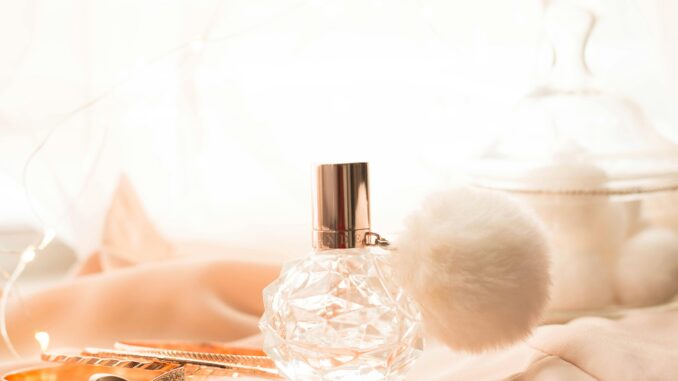

Perfume is far more than a luxury—it is an intimate expression of identity, culture, and memory. From ancient rituals to modern lifestyle statements, fragrances have evolved into a powerful sensory language that transcends borders. Today, the global perfume industry blends tradition with innovation, offering everything from heritage blends to avant-garde compositions.
For fragrance lovers and luxury seekers alike, the journey to discover the finest perfumes is as enriching as the scents themselves. Across continents, certain destinations stand out as epicenters of perfumery, where history, craftsmanship, and creativity come together.
The Origins of Perfumery: A Timeless Craft
The story of perfume dates back thousands of years. Ancient civilizations like Egypt, Persia, and India used aromatic oils and resins in religious ceremonies, healing practices, and daily rituals. Over time, perfumery evolved into a refined art, particularly in Europe during the Renaissance.
The 19th century marked a turning point, as scientific advancements introduced synthetic ingredients, allowing perfumers to expand their creative boundaries. This fusion of science and artistry laid the foundation for the modern fragrance industry—one that continues to innovate while preserving its rich heritage.
Global Perfume Capitals You Must Explore
Paris – The Heart of Luxury Fragrance
Often regarded as the world’s fragrance capital, Paris is synonymous with elegance and innovation in perfumery. Legendary houses like Chanel, Dior, and Guerlain have shaped global scent trends for decades. Visitors can explore exclusive boutiques, attend perfume workshops, and experience the art of fragrance creation firsthand.
Grasse – The Perfume Capital of the World
Nestled in the French Riviera, Grasse is globally celebrated for its centuries-old perfume heritage. Its climate supports the cultivation of iconic ingredients like jasmine and lavender. Attractions like the International Perfume Museum offer immersive insights into the evolution of perfumery.
Florence – Where Art Meets Fragrance
Florence blends artistic heritage with olfactory excellence. Historic perfumeries such as Santa Maria Novella showcase centuries-old craftsmanship, offering visitors a glimpse into Italy’s rich fragrance traditions.
The Art Behind Every Bottle
Creating a perfume is a delicate balance of science and creativity. Perfumers—often called “noses”—carefully blend natural and synthetic ingredients to craft harmonious compositions.
Every fragrance is structured in layers:
Top notes: The first impression
Heart notes: The core identity
Base notes: The lasting essence
From Mediterranean citrus blends to the deep, resinous notes of the Middle East, geography plays a crucial role in shaping scent profiles. Each region contributes unique ingredients and traditions, making every perfume a story of its origin.
The Rise of Niche Perfumery
In recent years, niche perfumeries have redefined luxury fragrance. Unlike mass-market brands, these houses focus on exclusivity, artistry, and storytelling.
Notable names include:
Diptyque – Known for botanical elegance
Le Labo – Celebrated for handcrafted blends
Byredo – Modern and minimalist
Amouage – Rich, opulent Middle Eastern scents
These brands offer deeply personal and unique olfactory experiences, appealing to those seeking individuality in their fragrance choices.
Local Ingredients: The Soul of Perfume
The finest perfumes often begin with exceptional raw materials. Regions around the world are known for their signature ingredients:
Grasse: Jasmine, lavender, tuberose
India: Sandalwood, rose, saffron
Middle East: Oud, frankincense, amber
These ingredients are more than just components—they are cultural symbols that define the essence of a fragrance.
Culture and Scent Preferences
Fragrance preferences vary widely across cultures:
Mediterranean regions favor fresh, citrusy notes
Middle Eastern markets embrace bold, woody, and resinous scents
Japan leans toward subtle, minimalist fragrances
Western markets experiment across diverse scent families
Understanding these preferences adds depth to the perfume discovery journey, making it both personal and cultural.
Experiential Fragrance Tourism
Perfume is no longer just a product—it’s an experience. Across destinations like Paris and Grasse, travelers can participate in fragrance workshops, create custom perfumes, and learn blending techniques from experts.
These immersive experiences allow visitors to connect with the craft on a deeper level, transforming perfume shopping into a memorable journey.
Smart Tips for Perfume Shopping
To make the most of your fragrance journey:
Identify your preferred scent family (floral, woody, oriental, fresh)
Test perfumes using scent strips before applying on skin
Avoid testing too many fragrances at once to prevent fatigue
Consider seasonality—lighter scents for summer, richer ones for winter
Take your time before making a purchase
A thoughtful approach ensures you find a fragrance that truly resonates with your personality.
Conclusion: A Journey Defined by Scent
The search for the finest perfumes is ultimately a journey of self-discovery. Each fragrance tells a story—of places, cultures, and emotions. Whether you’re exploring the elegance of Paris, the heritage of Grasse, or the artistry of Florence, the world of perfumery offers endless inspiration.
In a fast-paced world, scent remains deeply personal—a quiet yet powerful expression of who we are. As you explore new destinations and fragrances, you’re not just discovering perfumes—you’re creating memories that linger long after the journey ends.