
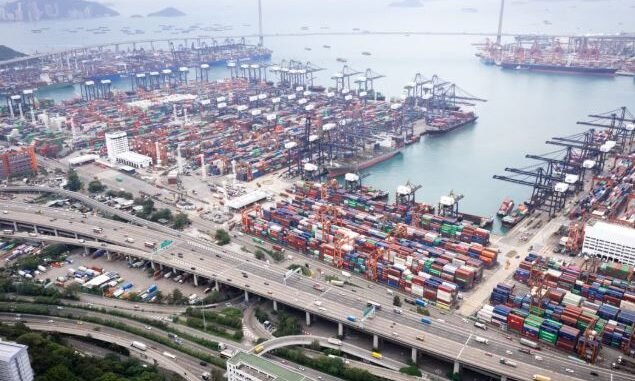
Singapore has long been recognised as one of the world’s leading trade and logistics hubs, but its next phase of growth is being driven by artificial intelligence and automation rather than infrastructure alone. As rising shipping volumes, limited land availability and workforce shortages create new operational challenges, logistics companies are turning to intelligent technologies to make supply chains faster, safer and more efficient.
From robotic warehouses and AI-powered route planning to autonomous vehicles operating in ports, Singapore is building a logistics ecosystem where technology handles repetitive tasks while people focus on higher-value operations. This transformation is not only improving business productivity but also strengthening the country’s position as a global gateway for international trade.
Why AI Has Become Essential for Singapore’s Logistics Sector
Unlike many larger economies, Singapore operates with limited physical space while managing enormous volumes of cargo moving through its ports and airports every day. Businesses must maximise every square metre of warehouse space and every minute of delivery time.
Artificial intelligence provides a practical solution by helping companies analyse large amounts of operational data in real time. Machine learning systems can predict demand, optimise inventory levels, reduce delivery delays and identify potential disruptions before they affect customers.
Instead of relying solely on manual decision-making, logistics companies now use AI to make thousands of operational decisions automatically, allowing businesses to respond more quickly to changing market conditions.
Smart Warehouses Are Redefining Storage Efficiency
One of the most visible changes is taking place inside Singapore’s warehouses.
Modern logistics facilities are increasingly using Automated Storage and Retrieval Systems (ASRS), robotic shuttles and intelligent warehouse management software to move goods with minimal human intervention. Companies such as Maersk and ST Logistics have introduced automated systems that retrieve products, sort shipments and maximise vertical storage capacity.
This approach offers multiple business advantages. Automated systems can process orders faster, reduce handling errors and make better use of expensive warehouse space. High-density storage becomes particularly valuable in Singapore, where industrial land remains limited and costly.
For businesses, these improvements translate into quicker order fulfilment, lower operating costs and improved customer satisfaction.
Robotics Is Improving Safety Alongside Productivity
Warehouse automation is not simply about replacing manual labour. It is also changing workplace safety.
Heavy lifting, repetitive movements and forklift traffic have traditionally created risks inside logistics facilities. Automated equipment now performs many physically demanding tasks, allowing workers to supervise operations rather than constantly moving heavy goods.
The result is fewer workplace accidents, reduced employee fatigue and more consistent operational performance. Businesses also benefit from lower downtime caused by injuries and improved workforce retention.
AI Is Making Deliveries Smarter
Delivery operations are becoming increasingly intelligent as logistics companies adopt AI-powered route optimisation.
Instead of following fixed delivery schedules, AI systems analyse live traffic conditions, weather updates and historical travel patterns to calculate the most efficient routes. These systems continuously adjust delivery plans as conditions change throughout the day.
For businesses, this creates measurable benefits.
Shorter travel times reduce fuel consumption, delivery costs and vehicle wear. Customers receive more accurate delivery estimates, while logistics providers can complete more deliveries using the same fleet.
In an industry where small efficiency gains can significantly improve profit margins, intelligent routing has become an important competitive advantage.
Autonomous Transport Is Changing Port Operations
Singapore’s ambitious Tuas Mega Port represents one of the country’s biggest investments in logistics automation.
Autonomous vehicles, automated container handling equipment and intelligent port management systems are gradually transforming cargo movement across one of the world’s busiest maritime hubs.
These technologies help address driver shortages while increasing operational consistency. Automated systems can operate continuously with fewer interruptions, improving cargo throughput and reducing congestion.
As global shipping volumes continue to grow, automated port operations strengthen Singapore’s ability to handle increasing trade without requiring proportionally larger workforces.
Predictive Analytics Is Reducing Supply Chain Uncertainty
Modern logistics depends as much on forecasting as transportation.
AI-powered predictive analytics helps companies anticipate customer demand, monitor inventory levels and prepare for seasonal fluctuations. Rather than reacting after shortages occur, businesses can position stock where it is likely to be needed.
This capability is particularly valuable for industries such as pharmaceuticals, electronics and food distribution, where inventory management directly affects revenue and customer satisfaction.
Businesses using predictive analytics can reduce stock shortages, minimise excess inventory and improve working capital management.
Digital Procurement Is Simplifying Business Operations
Automation is also transforming procurement and supplier management.
Digital platforms can automatically generate purchase orders, monitor supplier performance and manage multiple vendor relationships simultaneously. For temperature-sensitive industries such as pharmaceuticals, automated monitoring systems track cold-chain conditions throughout transportation.
These improvements reduce administrative workloads while improving compliance and operational visibility.
Instead of spending hours on manual paperwork, procurement teams can focus on supplier relationships, cost management and strategic planning.
Government Support Is Accelerating Digital Transformation
Singapore’s logistics transformation is being strengthened by active government support.
Enterprise Singapore has introduced initiatives that encourage businesses, particularly small and medium-sized enterprises, to adopt artificial intelligence and digital technologies. Programmes such as Champions of AI help companies identify practical use cases, develop implementation strategies and build internal digital capabilities.
This collaborative approach ensures that innovation is not limited to large multinational corporations. Smaller logistics businesses also gain access to technology adoption pathways, improving competitiveness across the wider industry.
What This Means for Businesses
The growing use of AI and automation creates opportunities far beyond logistics companies themselves.
Manufacturers can receive raw materials more efficiently, retailers can fulfil online orders faster, healthcare providers can improve pharmaceutical distribution and exporters can move goods through international supply chains with greater reliability.
The business impact extends across several areas:
- Faster order processing and shorter delivery times
- Lower fuel and warehouse operating costs
- Better inventory accuracy and demand forecasting
- Improved workplace safety
- Greater supply chain visibility
- Higher customer satisfaction
For Singapore’s economy, these improvements reinforce its role as a trusted global trade hub capable of supporting increasingly complex international supply chains.
Challenges Still Need Attention
Despite the benefits, automation also requires careful implementation.
Businesses must invest in new infrastructure, integrate digital systems with existing operations and train employees to work alongside advanced technologies. Cybersecurity has also become increasingly important as connected logistics systems generate large volumes of operational data.
Rather than eliminating jobs entirely, many roles are evolving toward equipment supervision, data analysis and technology management, making workforce reskilling an essential part of long-term success.
The Road Ahead
Singapore’s logistics industry is demonstrating how artificial intelligence and automation can solve real-world business challenges while strengthening economic competitiveness. Smart warehouses, autonomous ports, predictive analytics and intelligent delivery networks are creating a logistics ecosystem that is faster, safer and more resilient than traditional supply chain models.
As global trade becomes increasingly digital, Singapore’s technology-driven approach offers a blueprint for other logistics markets seeking to improve efficiency without compromising reliability. The future of logistics will not be defined solely by moving goods more quickly, but by using intelligent systems that help businesses make better decisions, optimise resources and build supply chains prepared for the demands of tomorrow.
